
Tallinn's UNESCO heritage: a guided walk through Old Town
Discover Tallinn's Old Town, a UNESCO World Heritage Site and Hanseatic city where medieval heritage mixes with modern city life.
Tallinn's Old Town is one of the most unique medieval city centers in the world.
It is a place where time may seem to stand still, but in reality, life is in full swing here. Tallinn's Old Town, a UNESCO World Heritage Site since 1997, is a well-preserved medieval trading town that was once part of the powerful Hanseatic League. Today, this history is part of what makes Tallinn a vibrant European capital and an exciting destination for a city break.
Modern culture, world-class flavors, and exciting events can be found between the city's centuries-old walls and impressive defensive towers. Historic houses hide cozy cafés, and winding cobblestone streets lead to fascinating museums. In a sense, Old Town functions exactly as it did centuries ago: Toompea in upper Old Town is still the seat of government power, while the lower city bustles with trade.
A three-kilometer walk that starts and ends at Town Hall Square
Step into the Middle Ages
Experience a medieval city in the modern age with this self-guided tour.
Tallinn Town Hall
The only surviving Gothic town hall in Northern Europe and one of Old Town's most recognizable symbols — the historic halls and works of art here tell the story of the heydays of this Hanseatic city.
Town Hall Tower
Climb to the top of the tower for a wonderful view of the roofs of the Old Town, church towers, and the view towards the port.
St. Nicholas Church
This 13th-century church, dedicated to St. Nicholas, the patron saint of sailors and merchants, was an important gathering place for Tallinn’s merchants and guild members. The altars, epitaphs, and other works of art preserved in the church testify to the prosperity and influence of merchants on city life.
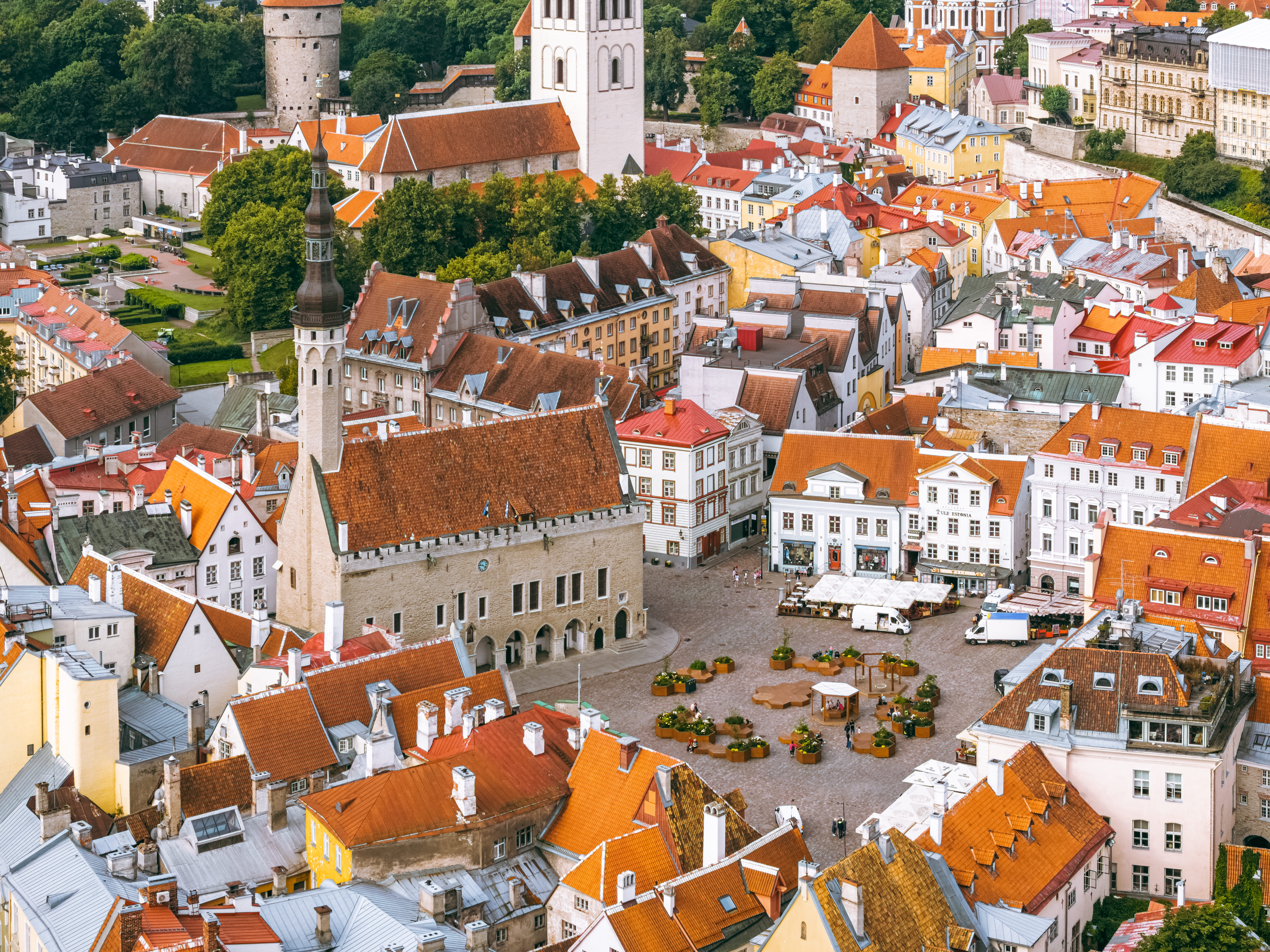
Photo author: Kaupo Kalda, Visit Tallinn
Kiek in de Kök Fortifications Museum
In the Middle Ages, Tallinn was a prosperous Hanseatic city and a strategic port that had to be defended both by land and sea, and the museum gives a good idea of what that looked like.
The massive cannon tower, bastions, and underground passages show the city's fortification system. The museum's exhibitions help explain how armaments, sieges, and defensive structures related to the development of Tallinn as a trading city.
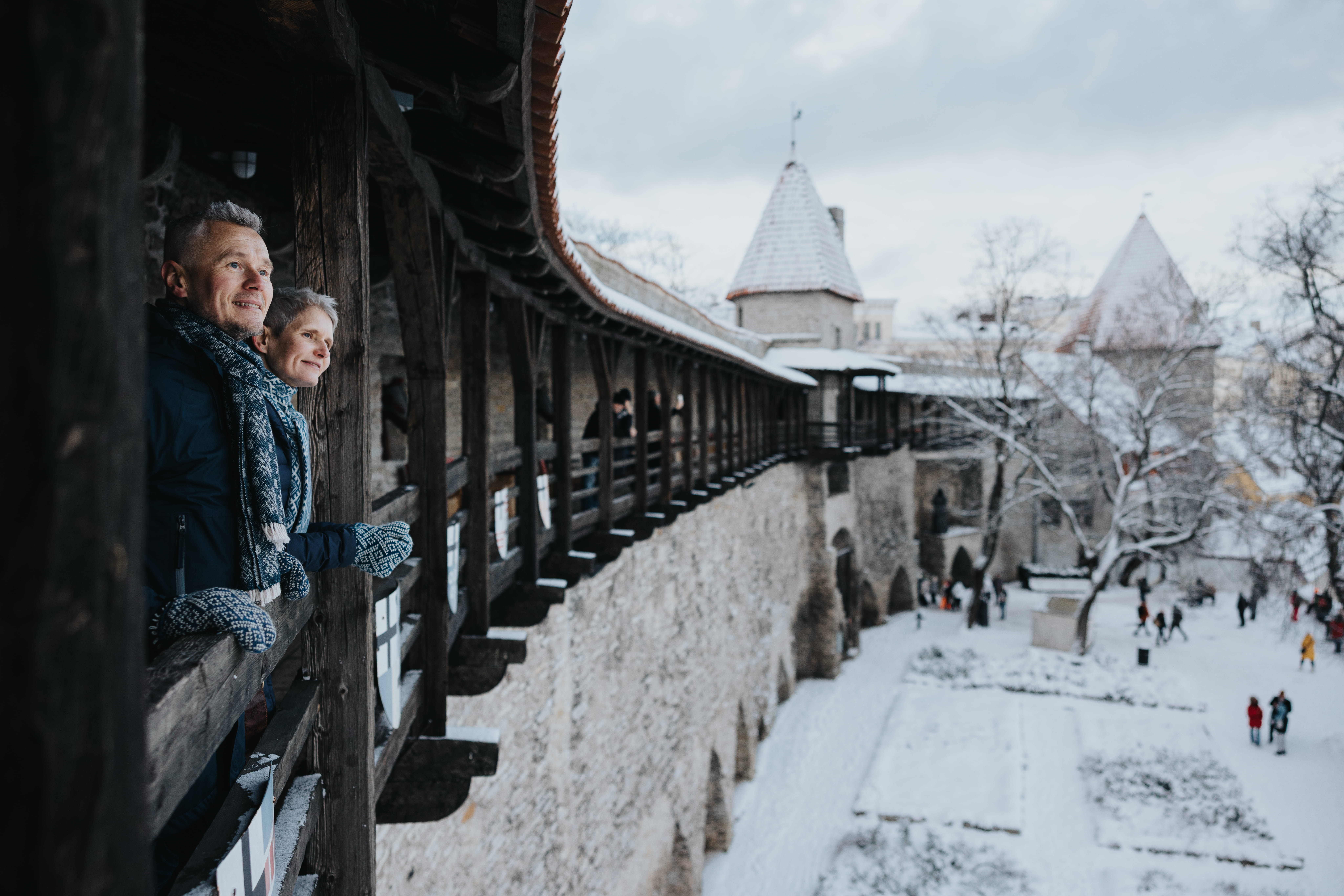
Photo author: Rasmus Jurkatam, Visit Tallinn
Visit the heart of Tallinn's Old Town and its defensive structures
Toompea Castle
This is one of the best places to help you understand Tallinn's medieval power struggles. Just standing on this hill makes you feel that Toompea was a separate world, looking down on the lower town – the realm of wealthy merchants – from above.
At the same time, the castle itself reflects the continuity of government, as it houses the current parliament. So you will not just experience one building here, but the relationship between two intertwined medieval worlds – Toompea and the lower town – which is one of the most fascinating layers of Tallinn's UNESCO heritage.
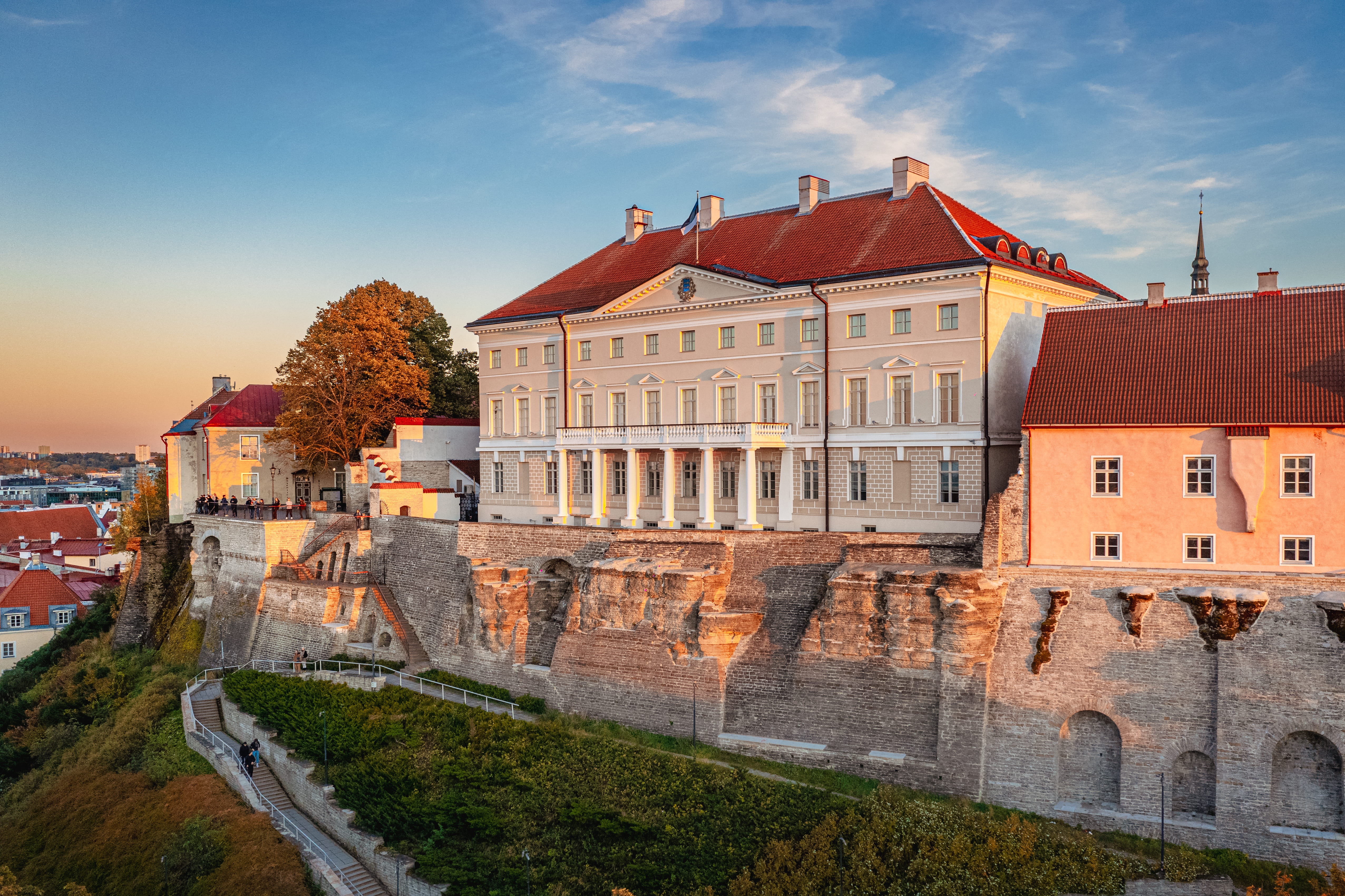
Photo author: Kaupo Kalda, Visit Tallinn
St. Mary's Cathedral
While the life of the lower town depended on the city's merchants and guilds, St. Mary's Cathedral belonged to the knights, clergy, and the ruling elite. It was here that the most important religious services, grand funerals, and ceremonies took place. Thus, the cathedral clearly reflected the medieval estate system, where different social groups were even spatially separated from each other.
The coats of arms and grave markers of noble families preserved in the church provide a vivid picture of who the real rulers of the country and the city were at that time. Furthermore, the atmosphere of the Cathedral creates a wonderful contrast to the merchant churches of the lower town. Visiting will help you understand that medieval Tallinn was not one unified community, but consisted of various centers of power with completely different social worlds.
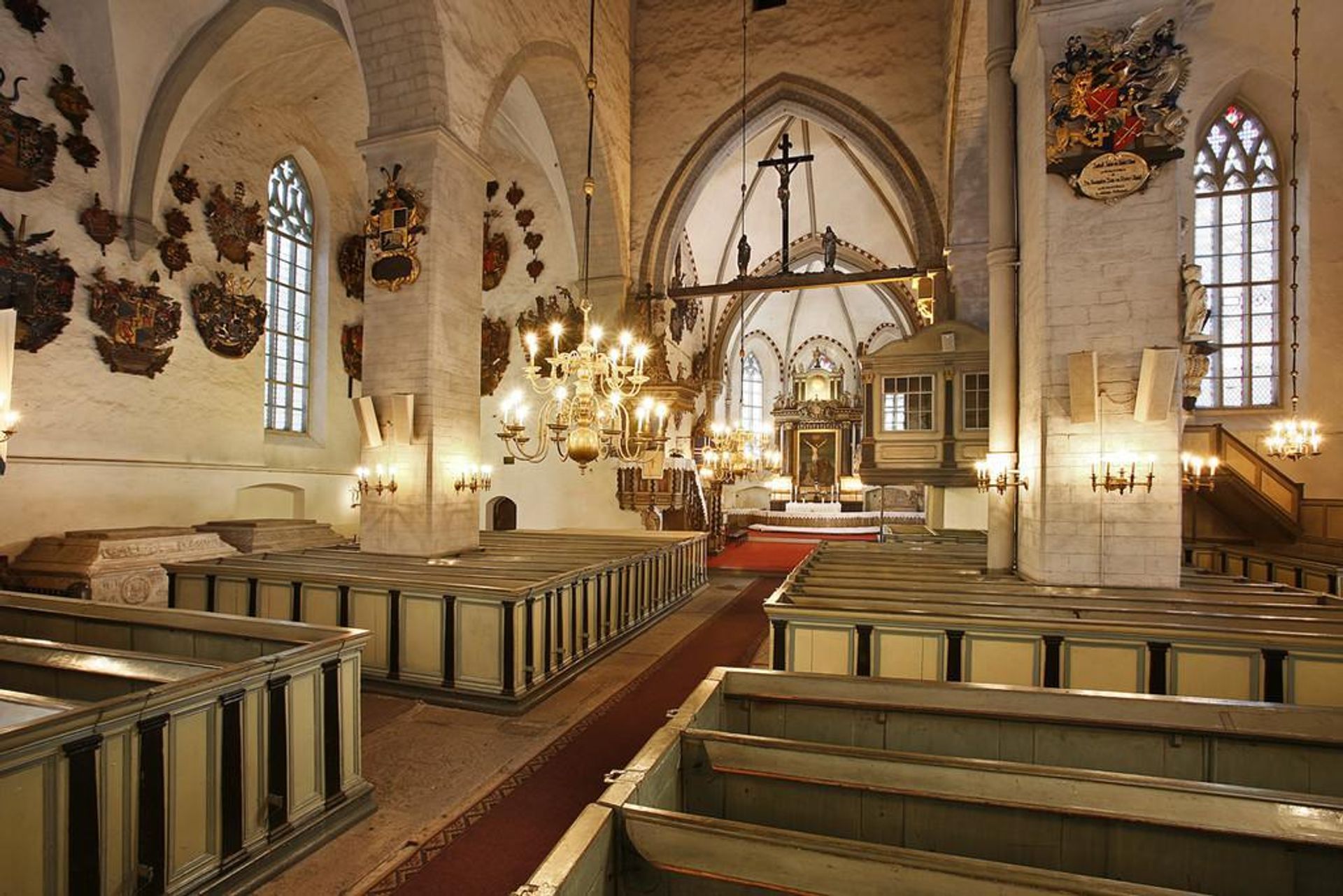
Photo author: Tallinn Episcopal Cathedral
Stand at the seat of government in upper Old Town
Kohtuotsa and Patkuli Observation Platforms
From the Kohtuotsa and Patkuli Observation Platforms, you can experience the main UNESCO value of Tallinn's Old Town in all its glory. From here, the medieval street network, which has remained almost unchanged since the 11th–15th centuries, unfolds before you.
What is particularly powerful is how the observation decks highlight the true scale and historical continuity of Old Town. The proud churches, dignified merchant houses, mysterious courtyards, and the mighty city wall form a unified whole that has completely disappeared in many other Northern European capitals.
The Nun's Tower
Here you'll find one of the best-preserved parts of the city wall, which demonstrates how well-thought-out and systematic the medieval fortification system really was, and how large a role it played in the planning of the entire city.
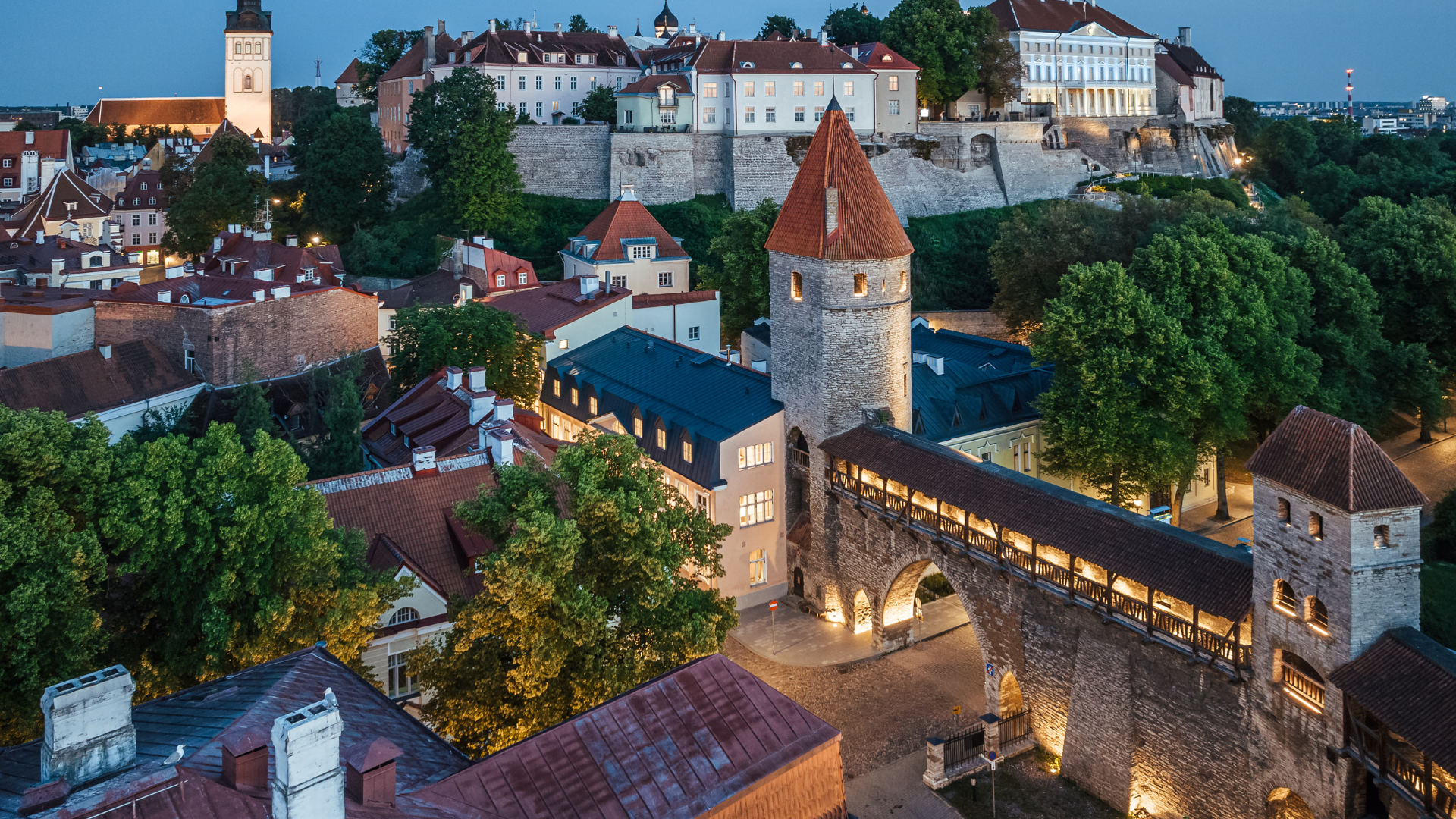
Photo author: Kaupo Kalda
Views of the winding streets from above
St. Olaf’s Church
The church’s historical height – it was one of the tallest buildings in the world at the time – made it an invaluable landmark for merchants arriving from distant seas and a magnificent symbol of the city’s immense wealth and ambition. Even today, it remains the most iconic structure in Tallinn's skyline.
Climbing the church tower gives you a view of Old Town’s dense sea of rooftops and the bustling port area. This tower allows you to experience the city from exactly the same perspective as the seafarers and merchants who landed here centuries ago.
Fat Margaret
This tower is in itself a powerful and awe-inspiring example of medieval city fortifications. But in addition to the massive walls, what lies within them is just as important: the exhibition at the Maritime Museum tells the story of the vital role of shipping in the Hanseatic League network.
Discover the city's maritime splendor and Hanseatic history
The House of the Blackheads
This house was the meeting place of the Blackheads, a brotherhood of unmarried merchants. You can admire its outstanding architecture just by walking past. For centuries, the building served as a meeting place for merchants and guilds, and the halls are still rented out today for special events and concerts.
The Great Guild Hall
This house directly embodies the economic power of the city and its close ties to the powerful Hanseatic League trade network. One of the main focuses of the Estonian History Museum exhibition currently operating in the house is precisely on Hanseatic Tallinn, the role of merchants, and the development of local urban culture.
The Church of the Holy Spirit
This sanctuary was closely connected to Tallinn's everyday citizens: hardworking craftsmen, merchants' apprentices and servants. Sermons were delivered here in the local vernacular, which set it apart from other Latin-speaking and elite-oriented churches.
The church is relatively small and intimate. The wonderful details preserved in the interior, such as the historic altar and the exquisite wood carvings, give a vivid picture of medieval religious life and show how religion was a completely natural part of the daily lives of the locals. The church's location is also significant; it is in the heart of Old Town's dense street network, where the city's inhabitants spent their days.
Immerse yourself in the world of merchants and their guilds
Medieval life was not only about power and trade, but also about community, where faith, language, and daily rituals united the city's inhabi
Tallinn City Life Museum
This museum will help you understand medieval Tallinn through the people here and their everyday lives. The permanent exhibition shows how the Hanseatic city functioned on an everyday level – what the living conditions were, trade, class relations, and the roles of the city’s citizens.
Temporary exhibitions highlight specific topics, such as merchant guilds, crafts or city culture. They connect individual objects (such as the House of the Blackheads or guilds) to a broader historical picture and show how the city’s structure really functioned.
Hellemann Tower
Hellemann Tower and the preserved city wall give you an idea of medieval defensive construction, helping you understand how the city defended itself against attacks.
Katariina Guild
Here is where the atmosphere of a Hanseatic city comes to life. The workshops found in Catherine's Passage and Katariina Guild are located in historic buildings. Their narrow passages, courtyards, and workrooms will make you feel like you've stepped into the working and living spaces of medieval craftsmen.
Today's craftspeople carry on traditional crafts (ceramics, glass, textiles) that were an integral part of the Hanseatic economy and Tallinn's urban culture.
Katariina Guild provides historical knowledge, while also letting you "live" it all yourself while watching talented craftspeople practice their trade.
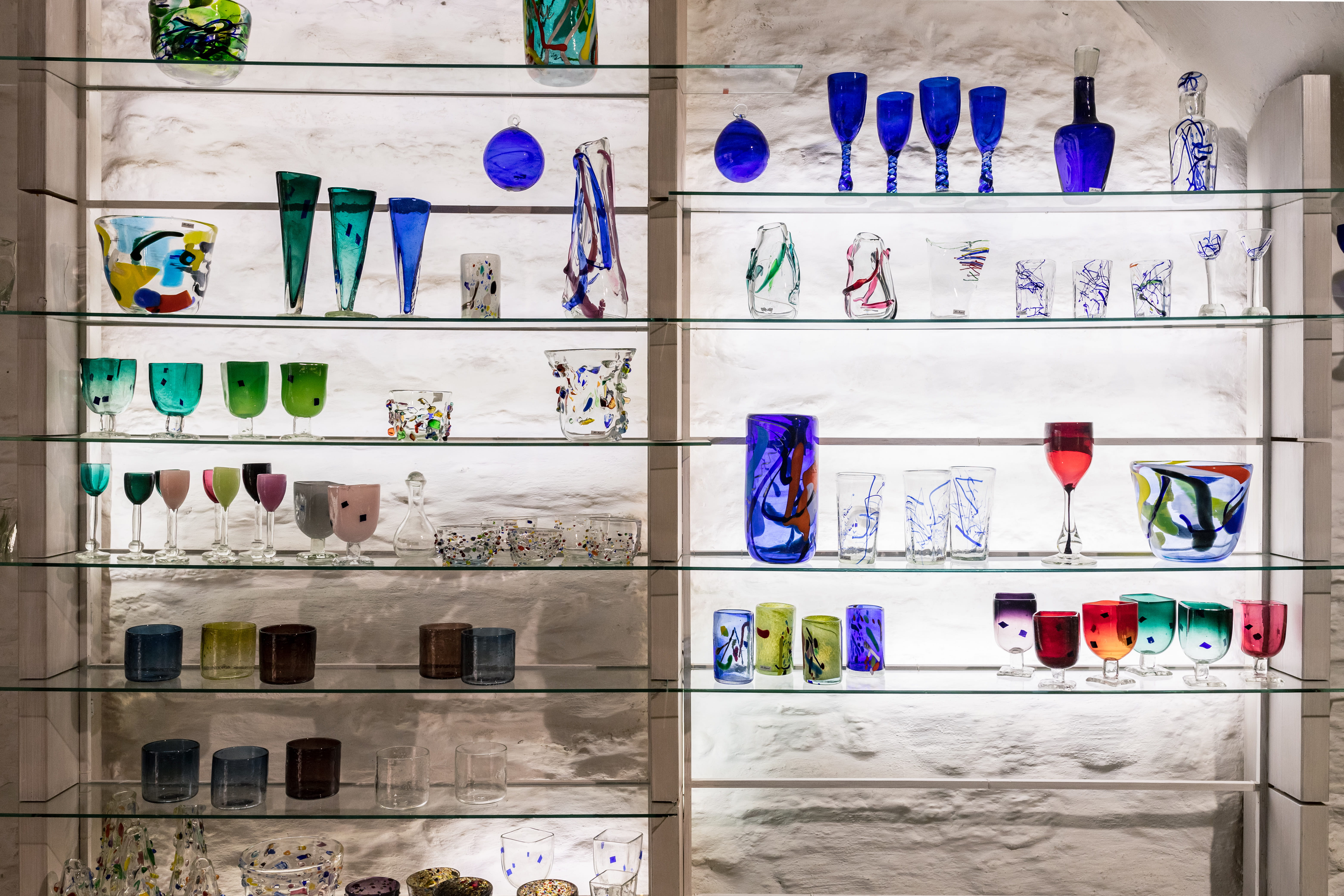
Photo author: Renee Altrov, Visit Tallinn
Wander the paths of talented craftspeople
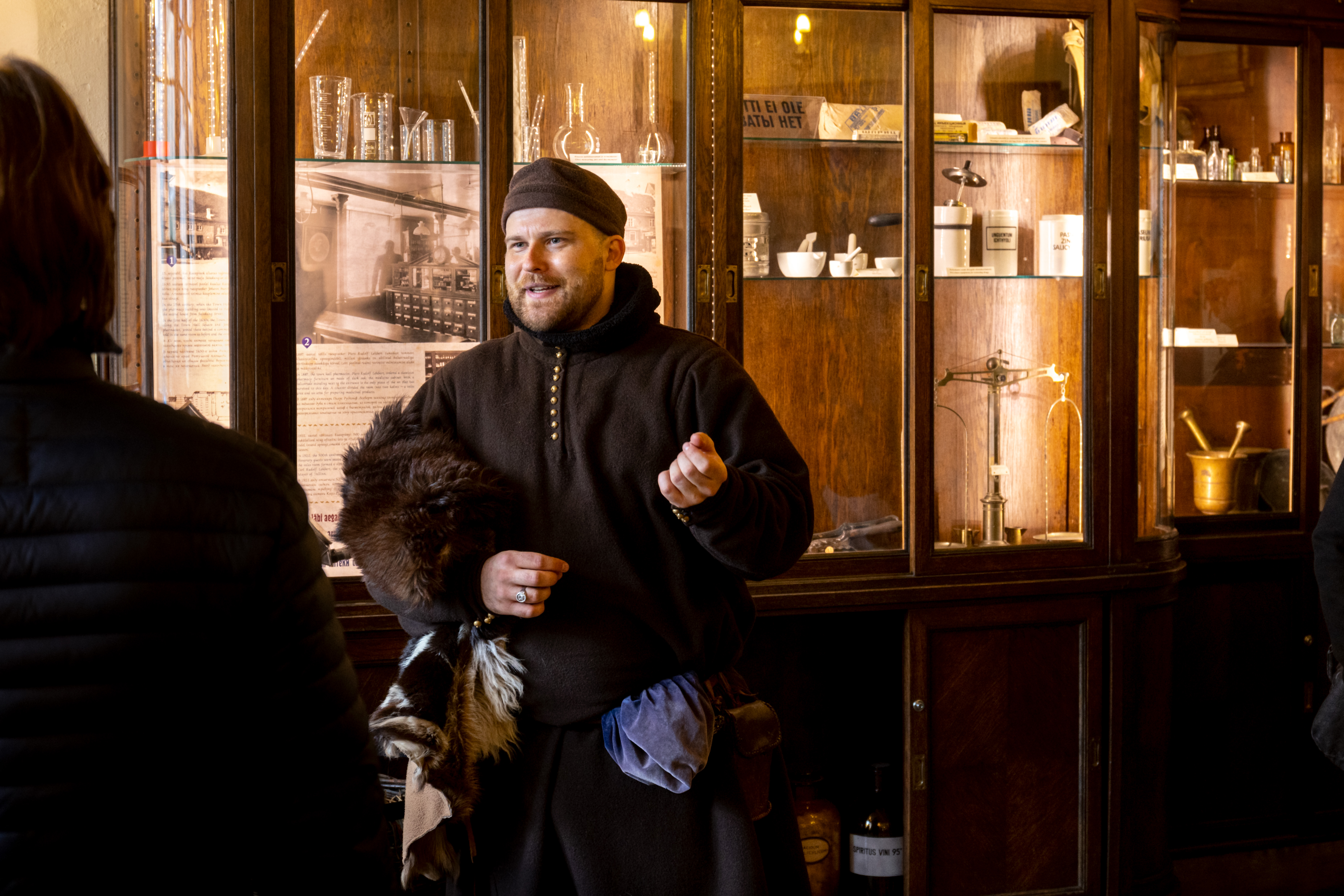
Town Hall Pharmacy (Raeapteek)
Did you know Tallinn has one of the oldest continuously operating pharmacies in Europe? Inside the pharmacy, you can get acquainted with medieval beliefs and medicine. At the same time, Raeapteek is a small shop that carries on the vibrant Hanseatic tradition. The sweet marzipan and spicy claret served here still hark back to the luxury goods that passed through Tallinn as an important trading port.
The journey comes to an end
Once the main market square, Town Hall Square is where the city's economic and public life melded together.
The architecture surrounding the square — the stately town hall and merchant houses with their historic facades — reflects the enormous wealth as part of the Hanseatic League and the central role of the city's merchants. It is still the city's beating heart, where gatherings and events continue a centuries-old tradition.
Olde Hansa
Stop at Olde Hansa for a delicious end to your journey, with authentic medieval dishes and candlelit rooms that let you step directly into the life of a wealthy Hanseatic merchant.
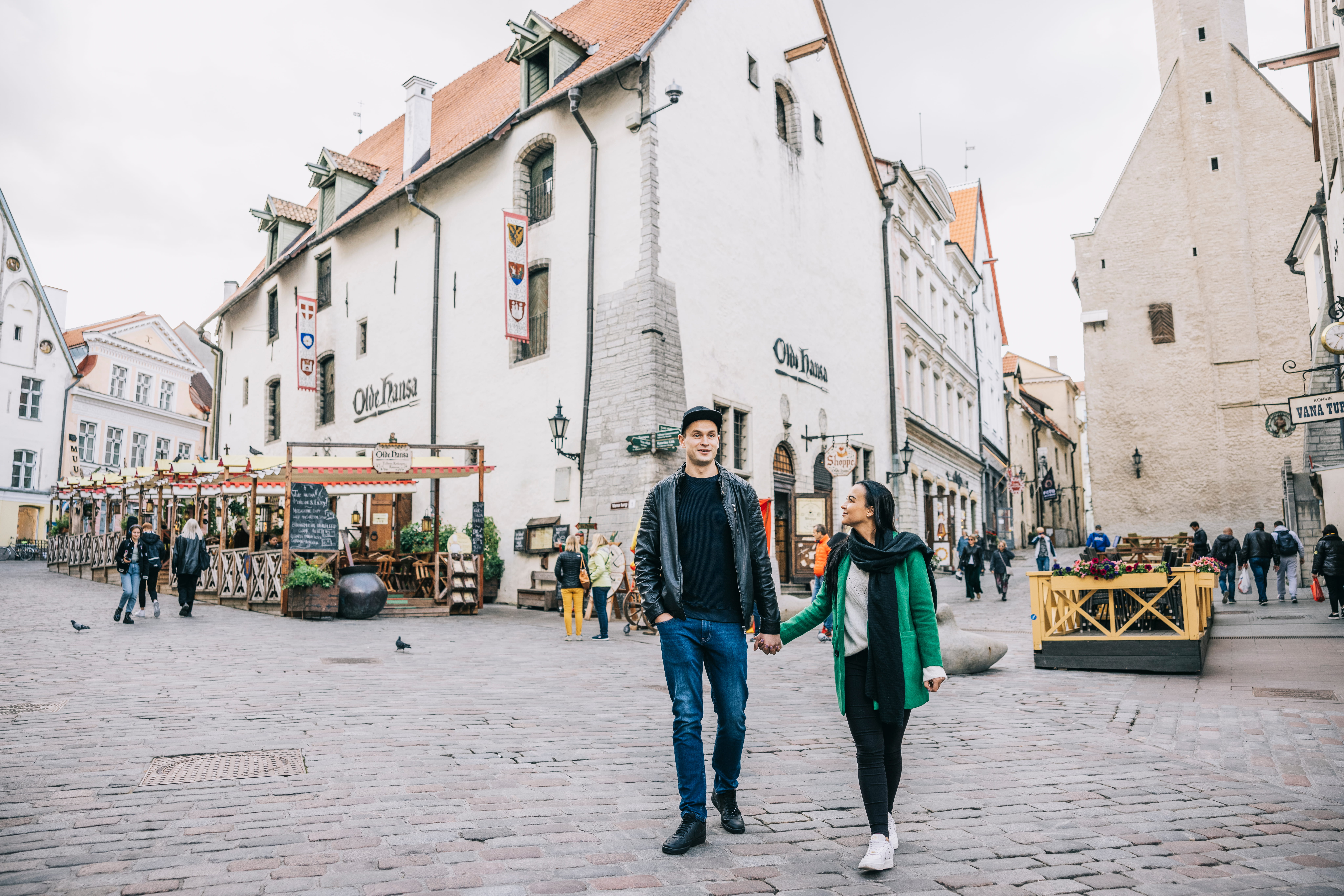
Photo author: Rasmus Jurkatam, Visit Tallinn
Experience medieval city life and flavors
The best places to experience Old Town's medieval architecture and history
Get inspired
Last updated
07.09.2026