
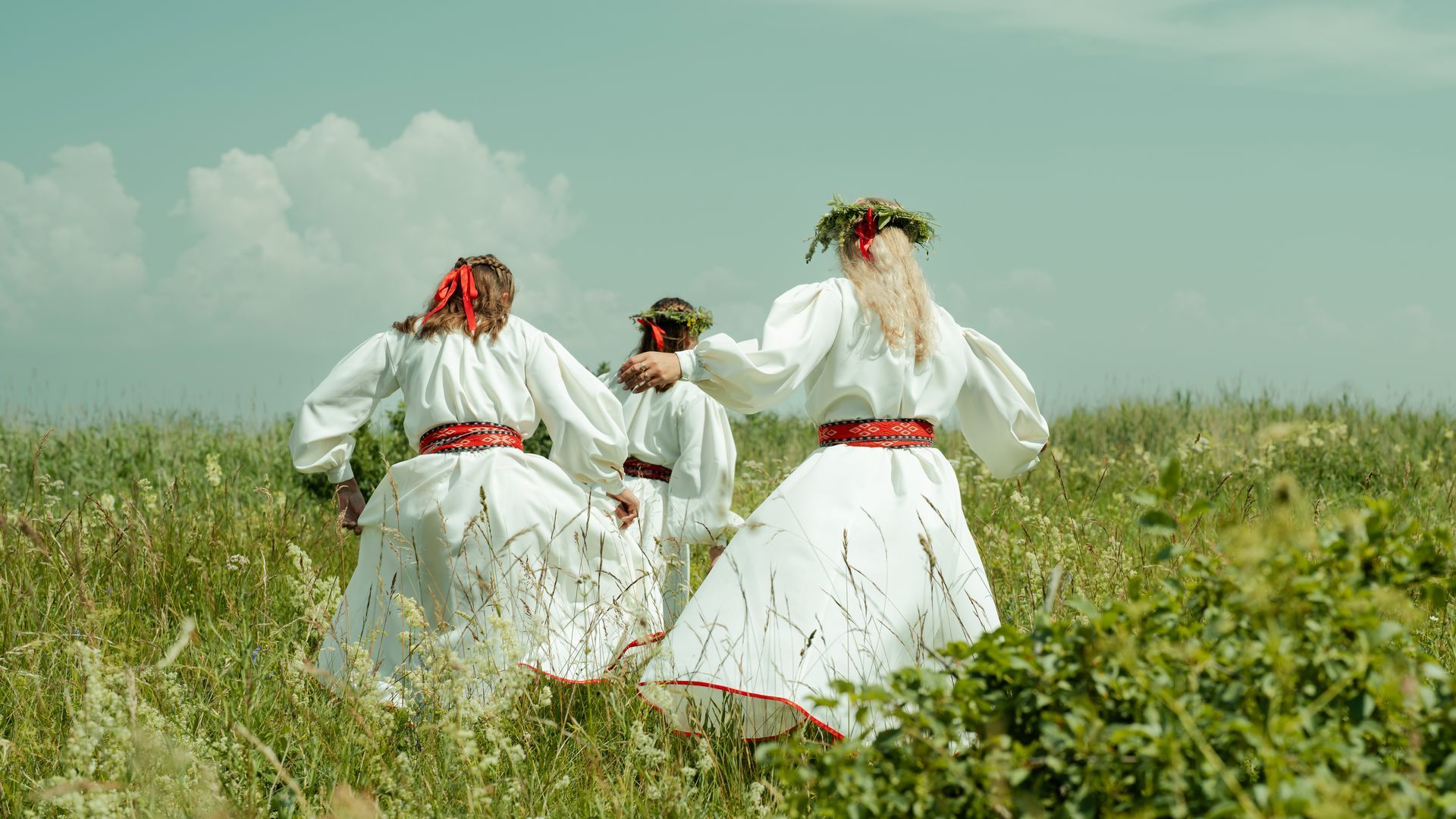
Estonia's vibrant regional cultures
There's more to Estonia than Tallinn and Tartu. Unique regional cultures keep their heritage alive in smaller communities around the country.
Estonia is small but surprisingly culturally diverse, thanks to its location at the crossroads of East and West.
When you travel to Estonia, plan some time to explore beyond the country's main cities. Smaller communities are where you can experience cultural practices firsthand that remain part of everyday life. However, these traditions are not relics from the past — they are cherished by community members who work to incorporate them into modern life in ways both big and small.
For example, the UNESCO-listed leelo music from Setomaa can be heard alongside contemporary bands during summer music festivals. And there's a kindergarten class in Voru taught entirely in Võro, the language of Vana-Võromaa.
As you look for the best places to go in Estonia, remember that the main attraction isn't always what you see; sometimes, it's who you meet along the way. These destinations invite you to immerse yourself in authentic Estonian culture and experience tradition as it lives and breathes.
Photo author: Felix Hau
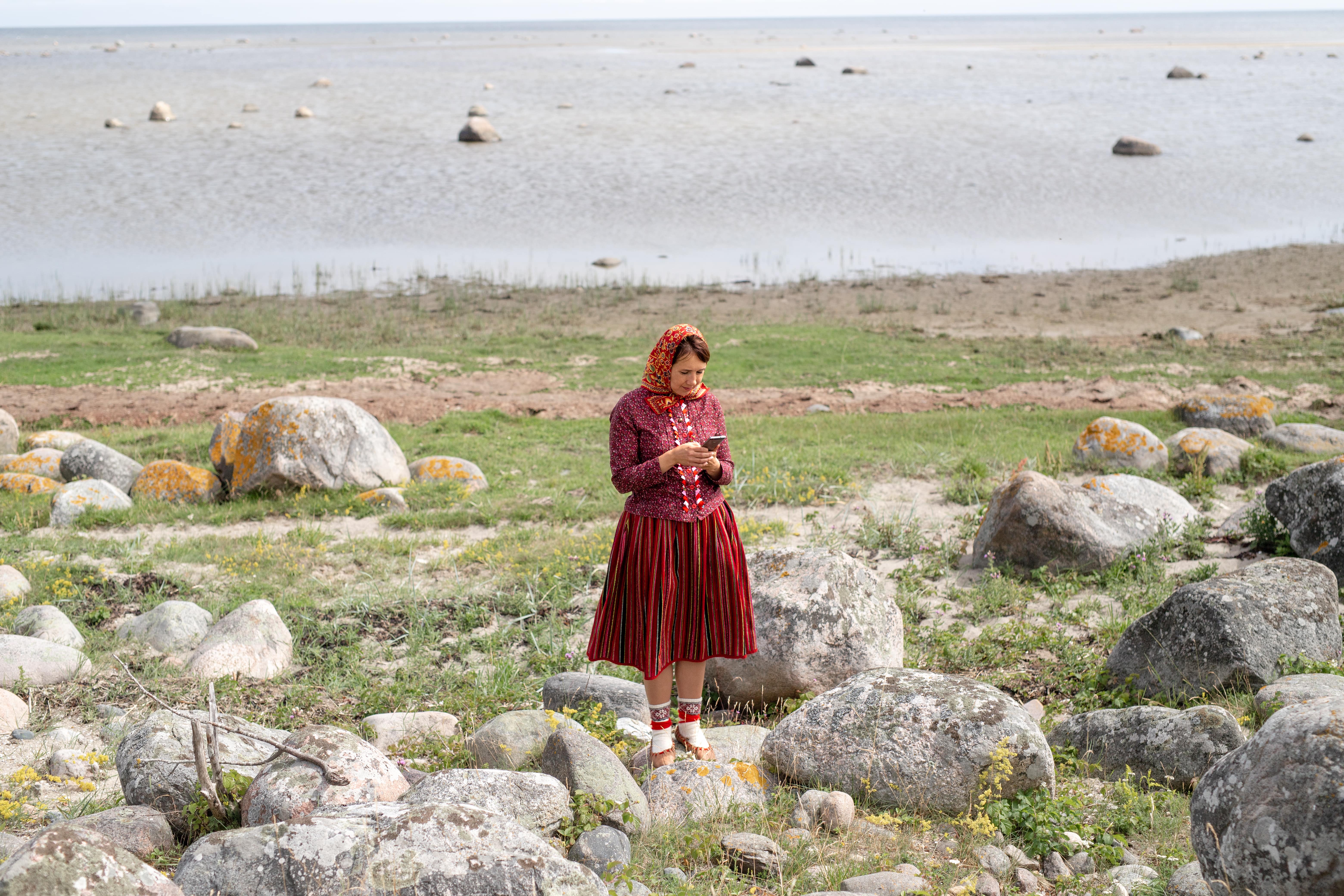
Kihnu Island
Kihnu’s culture dates back hundreds, if not thousands, of years and has been added to the UNESCO List of Intangible Cultural Heritage for its unique customs, music, handicrafts, and rituals.
The island’s societal structure isn’t technically a matriarchy, but it is profoundly matrifocal, as women traditionally manage farms, households, and cultural life while the men often spend extended periods at sea fishing or working off the island. You might spot women wearing bright, striped skirts; learn to decipher their patterns at the Kihnu Museum.
Kihnu’s customs include ancient runic wedding songs and handicrafts such as weaving and knitting, practices still alive in everyday life today. Islanders balance tradition with modern living, teaching folk songs and crafts in school while welcoming visitors who want to slow down, enjoy simple food, and engage with the community.
Coastal Swedes
The heritage of the Coastal Swedes dates back to at least the 13th century, when Swedish communities settled along the coast and on the islands of Western Estonia. Vormsi, Ruhnu, Osmusaar, and Noarootsi Parish on the mainland are places where their cultural heritage has left the biggest mark. You'll notice their influence on the region's architecture, like Ruhnu's wooden church, the sun crosses in Vormsi Cemetery, and the simple lines of Noarootsi Church.
The Museum of Coastal Swedes in Haapsalu is the best place to learn more about this community.
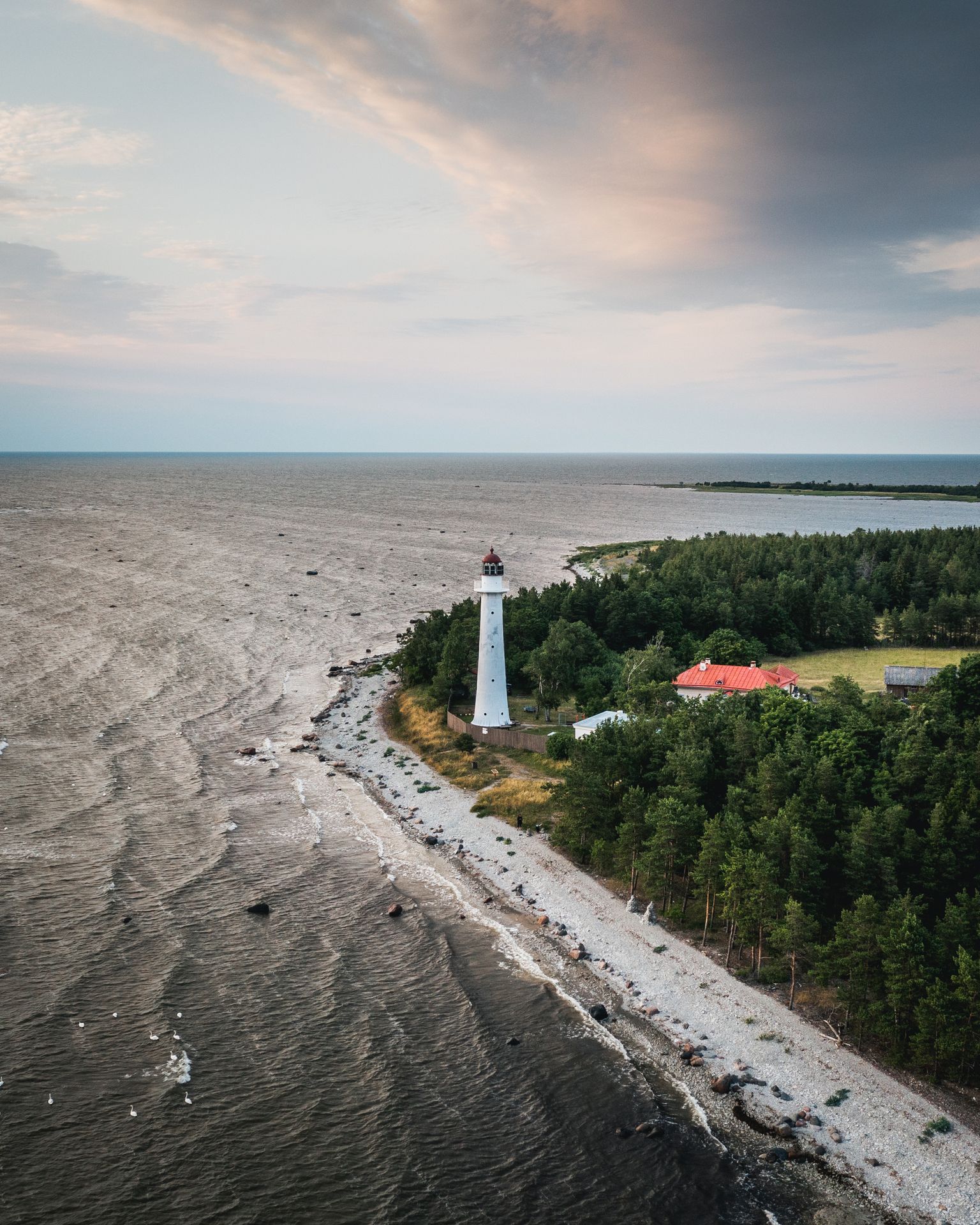
Photo author: Priidu Saart
Old Believers
Estonia's Old Believers, who live on the western shore of Lake Peipsi along the so-called Onion Route. This community dates back to the 17th century, when their ancestors fled religious persecution in Russia. At the time, the far shore of Lake Peipsi was considered the hinterlands of the Russian Empire, and this isolation has helped the community preserve its unique traditions, religious beliefs, and way of life to this day.
The area around Lake Peipsi is home to colorful prayer houses, though they are closed to visitors. However, you can take a virtual tour of one at the Old Believers Museum in Kolkja. You can also take a boat trip to Piirissaare, an island in Lake Peipsi that's home to a small community of Old Believers.
Drinking tea from a samovar is an authentic experience that must be tried while you're in the area — and don't forget to enjoy it with a slice of onion pie.
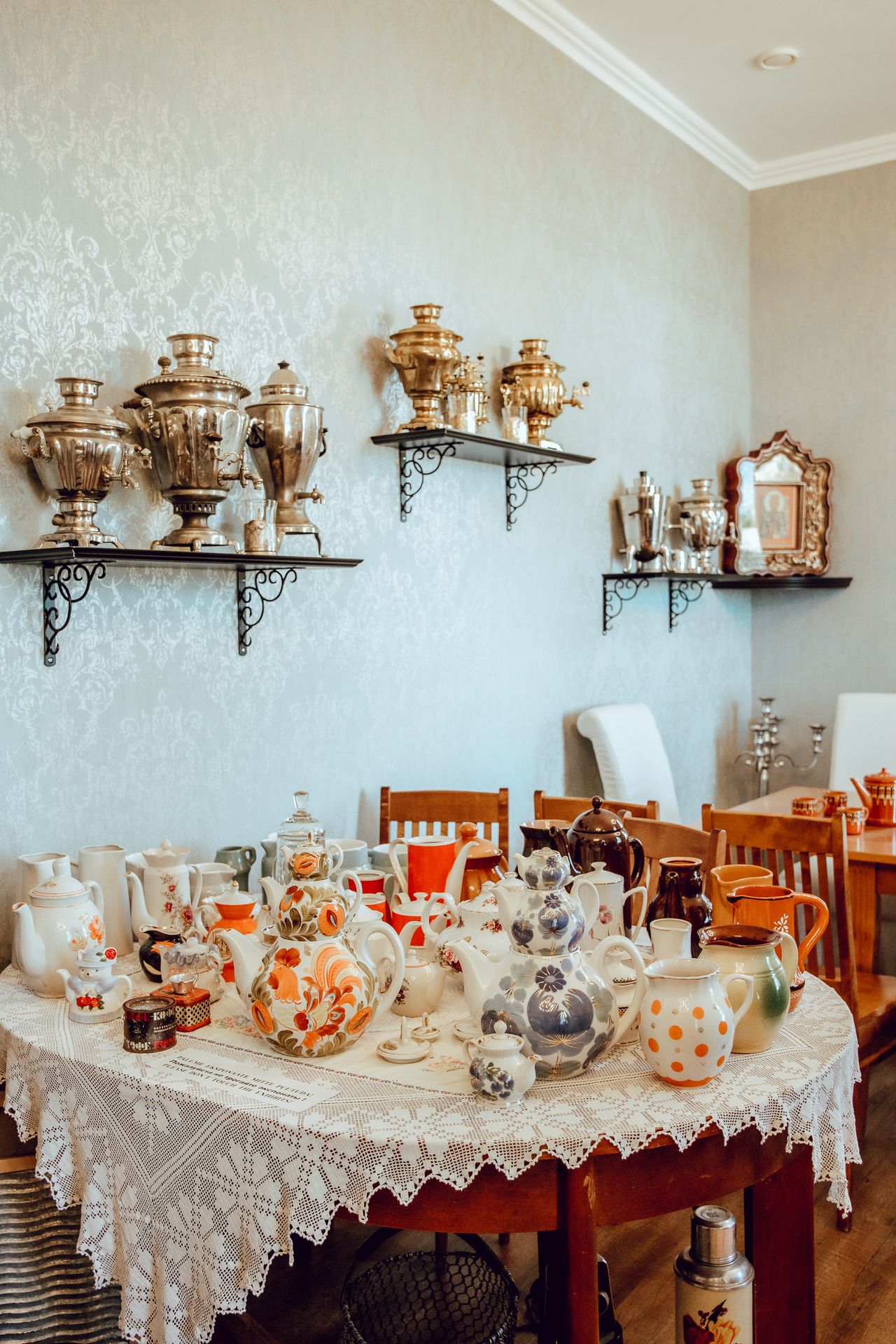
Photo author: Näljane Nelik
Spend a day exploring the Onion Route.
Rent a bike to make it easy to stop whenever and wherever you want!
Mulgimaa
Mulgimaa is known for its striking national costume, particularly the long black coat with a red eyelet pattern, which symbolizes the pride and dignity of the Mulgi people. Historically, Mulgimaa became a wealthy region in the 19th century. The Civil War in the United States caused a cotton shortage in Europe, and farmers from this region filled the gap by exporting linen.
Today, the best way to learn about this community's history and traditions is to visit the Mulgi Experience Center. While you're in the area, be sure to try mulgi puder, a simple yet nutritious dish made from potatoes, barley, and fried pork. It was even added to the UNESCO List of Intangible Cultural Heritage in 2024. You might also find it on menus elsewhere in the country, as it is popular traditional dish enjoyed all around Estonia.
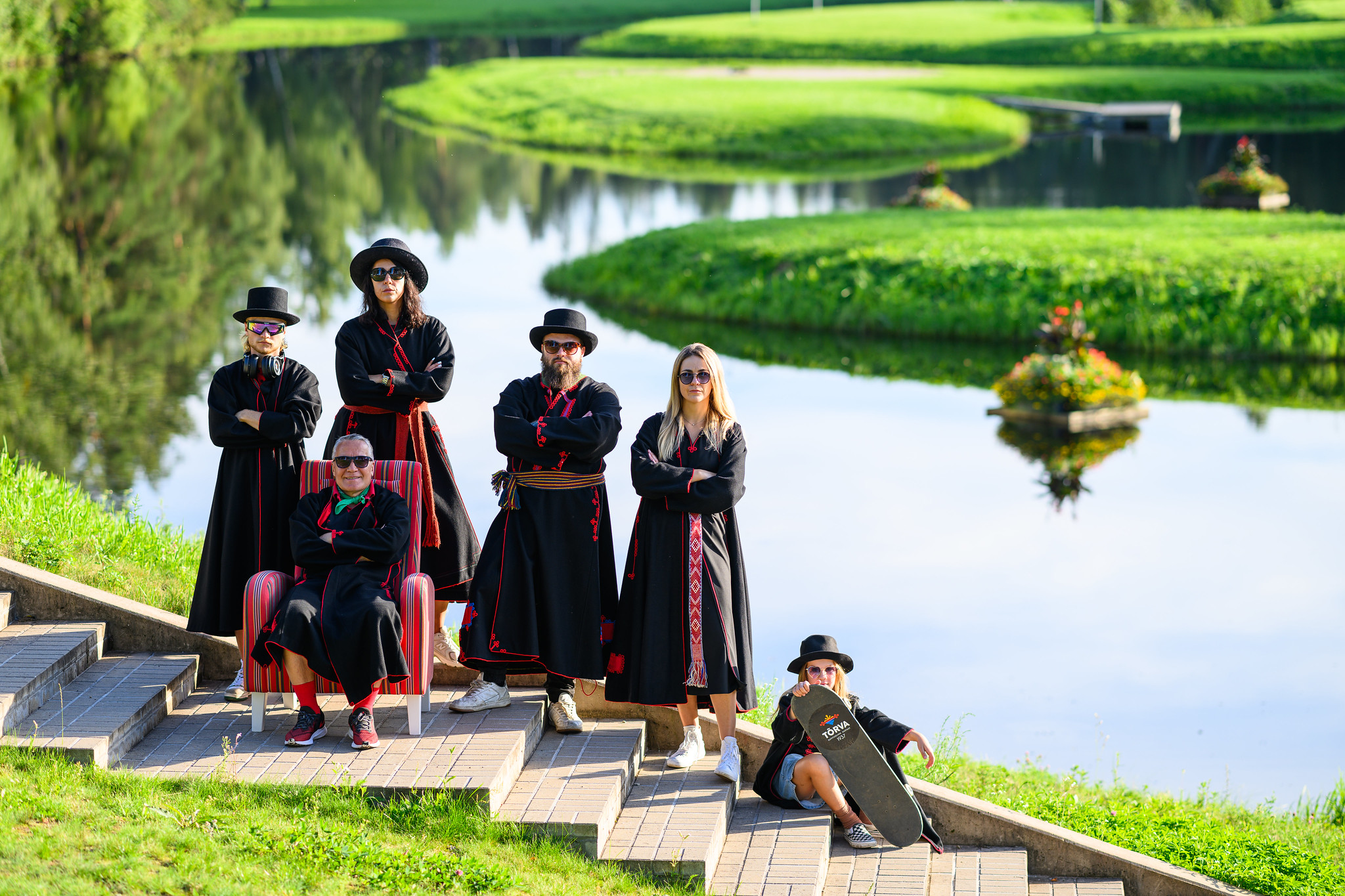
Photo author: Sven Zacek, Visit Viljandi
Vana-Võromaa
Vana-Võromaa is a region of South Estonia with its own dialect and customs. The smoke sauna traditions of this region have been included on UNESCO's List of Intangible Cultural Heritage. Not only is Vana-Võromaa a cultural treasure, it is also a natural one — Karula National Park, the Haanja Uplands, and Suur Munamägi, the tallest point in the Baltics, offer excellent opportunities for hiking, skiing, and biking.
Võru, the region's largest city, was home to Friedrich Reinhold Kreutzwald, the author of Estonia's national epic, Kalevipoeg. His former home is now a museum. If you're interested in trying the region's local specialties and supporting small producers, look for the label Uma Mekk on foods and beverages in grocery stores throughout Estonia.
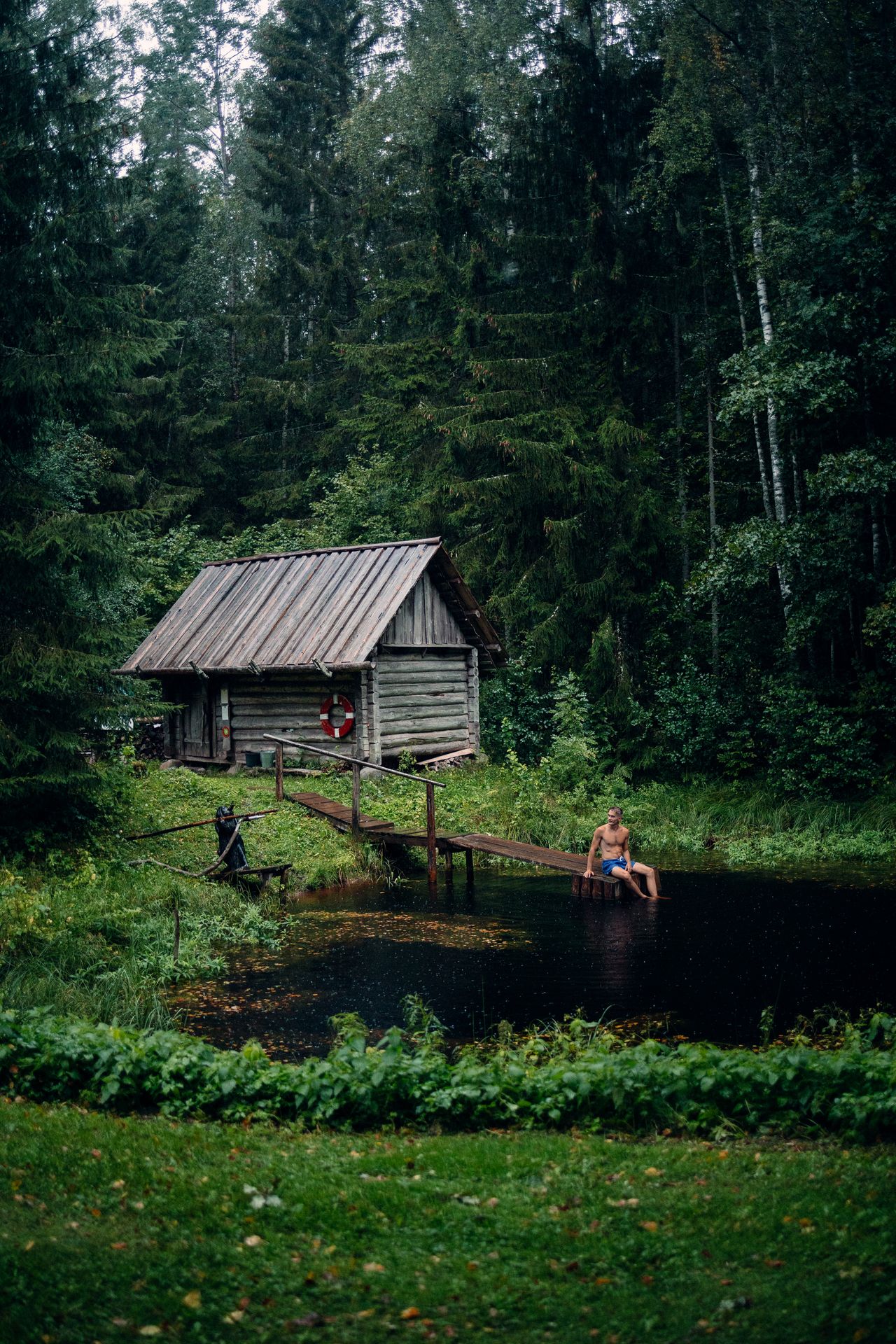
Photo author: Hans Markus Antson
Setomaa
Setomaa is a cultural region in southeastern Estonia that has straddled the border between West and East. Like Kihnu, its relative isolation has helped preserve its customs, though it's now an easy three-hour drive from Tallinn.
Setomaa's rich traditions, like Orthodox church holidays and village festivals, are often open to visitors. At Obinitsa Museum, you can even try on a traditional Seto costume to get an idea of what it might feel like to wear one of their stunning conical silver brooches. Setomaa is also known for its traditional leelo music, a polyphonic chant inscribed on the UNESCO List of Intangible Cultural Heritage.
The Seto Külavüü (Village Belt) is a route that winds through the region's most important sites, including natural attractions, museums, restaurants, and monuments, allowing you to get to know the local culture from the inside.
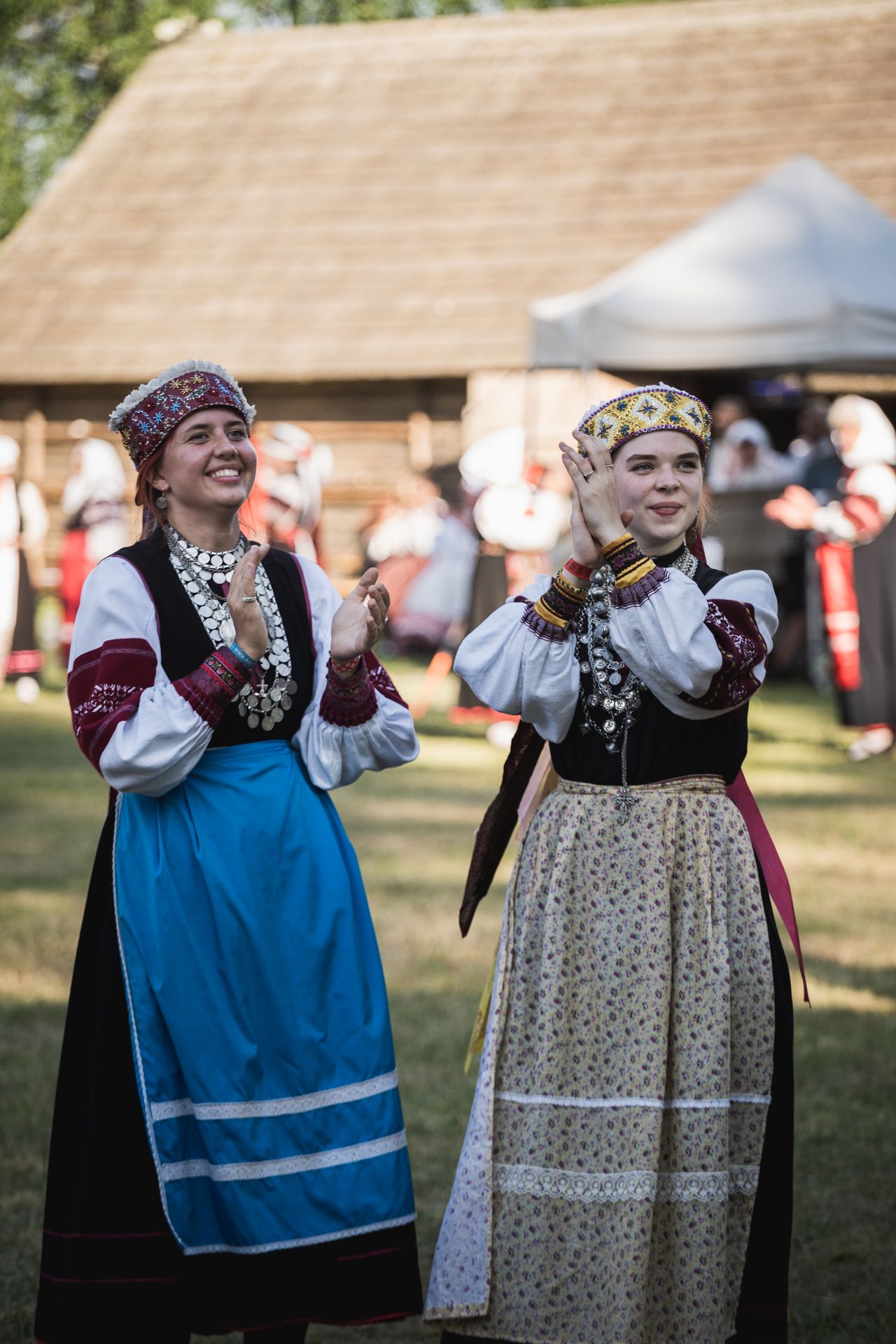
Photo author: Priidu Saart
Looking for the best places to visit to experience authentic Estonian culture?
Visit the smaller communities that keep the country's regional cultures alive.

Get inspired
Last updated
25.06.2026