
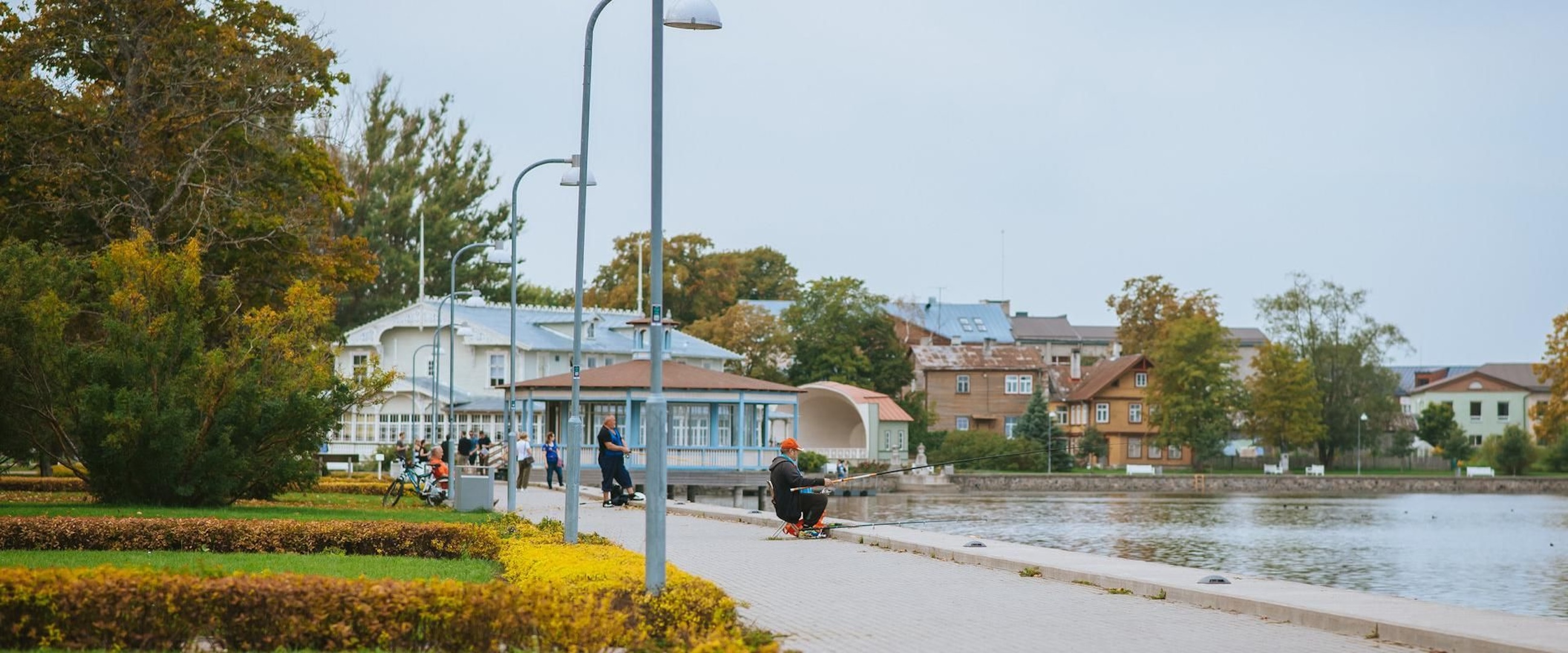
Haapsalu, Estonia's oldest resort town
Come for the mud therapy, stay for the castle ruins, quiet cafés, and the seaside promenade. Haapsalu is perfect for a relaxing city break.
A serene seaside town
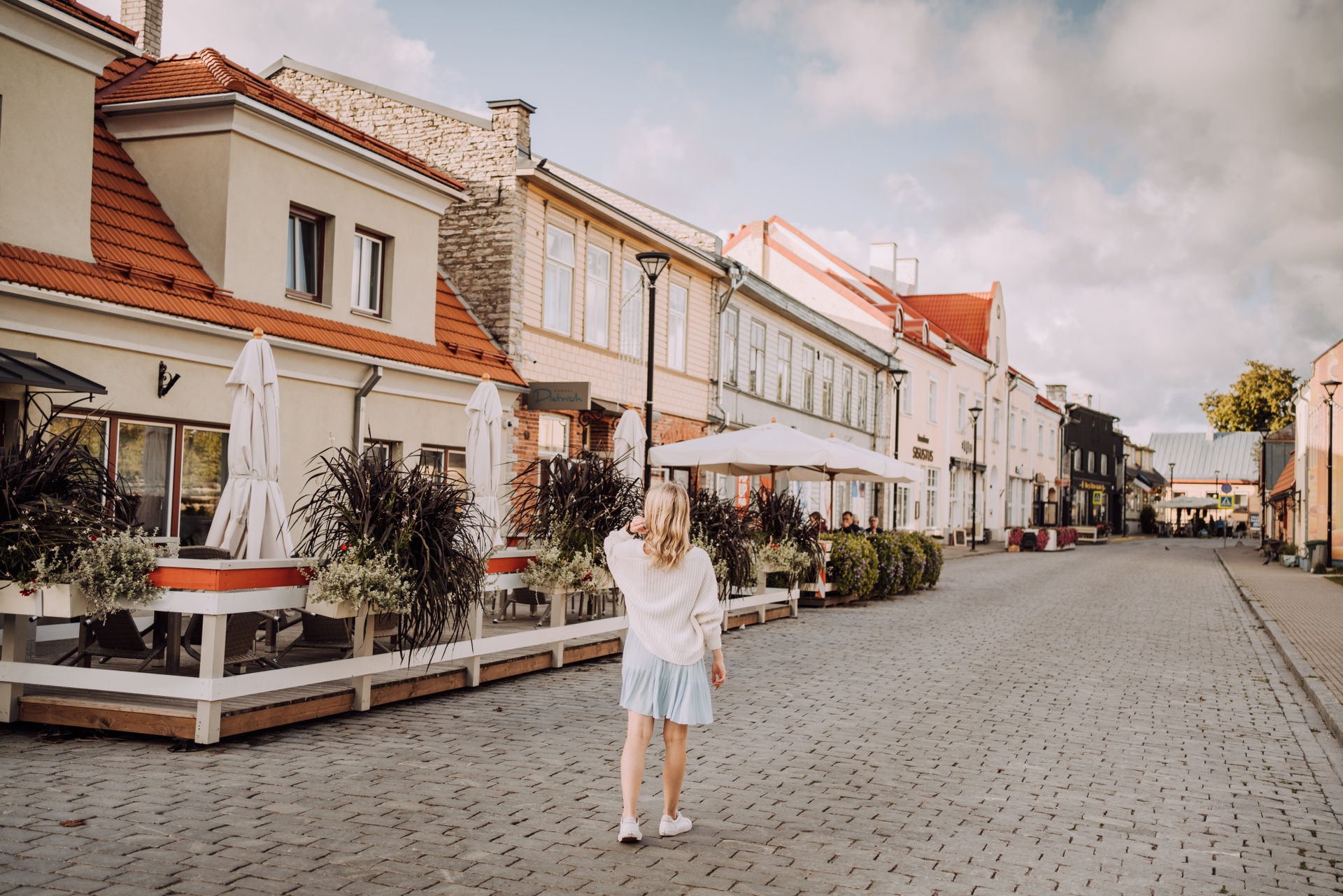
Once a popular summer holiday destination for the Russian aristocracy, modern Haapsalu hosts international festivals and is home to charming cafés, several small museums, and two spa hotels. As it's less than two hours from Tallinn, it's easy to explore on a day trip from the capital, though a longer stay allows you to relax into the city's laidback rhythm.
Haapsalu also serves as a base for birdwatching trips to Matsalu National Park or for exploring the Coastal Swedish heritage of the Noarootsi Peninsula and Vormsi and Osmussaar Islands.
Medieval magic
Awarded town rights in 1279, Haapsalu is one of the oldest towns in Estonia.
The town's main attraction is the 13th-century Haapsalu Castle. In 2019, both the castle and the museum underwent extensive renovations. The ruins provide a picturesque backdrop to numerous festivals and cultural events throughout the year.
The White Lady Festival, in particular, pays homage to the castle's most famous legend. It is said one of the clergymen fell in love with a young lady. He secretly brought her into the castle dressed as a choirboy. When the bishop found out, he had the woman immured in the castle wall, where she eventually starved to death. It is said that her ghost appears in the tower window every August during the full moon.
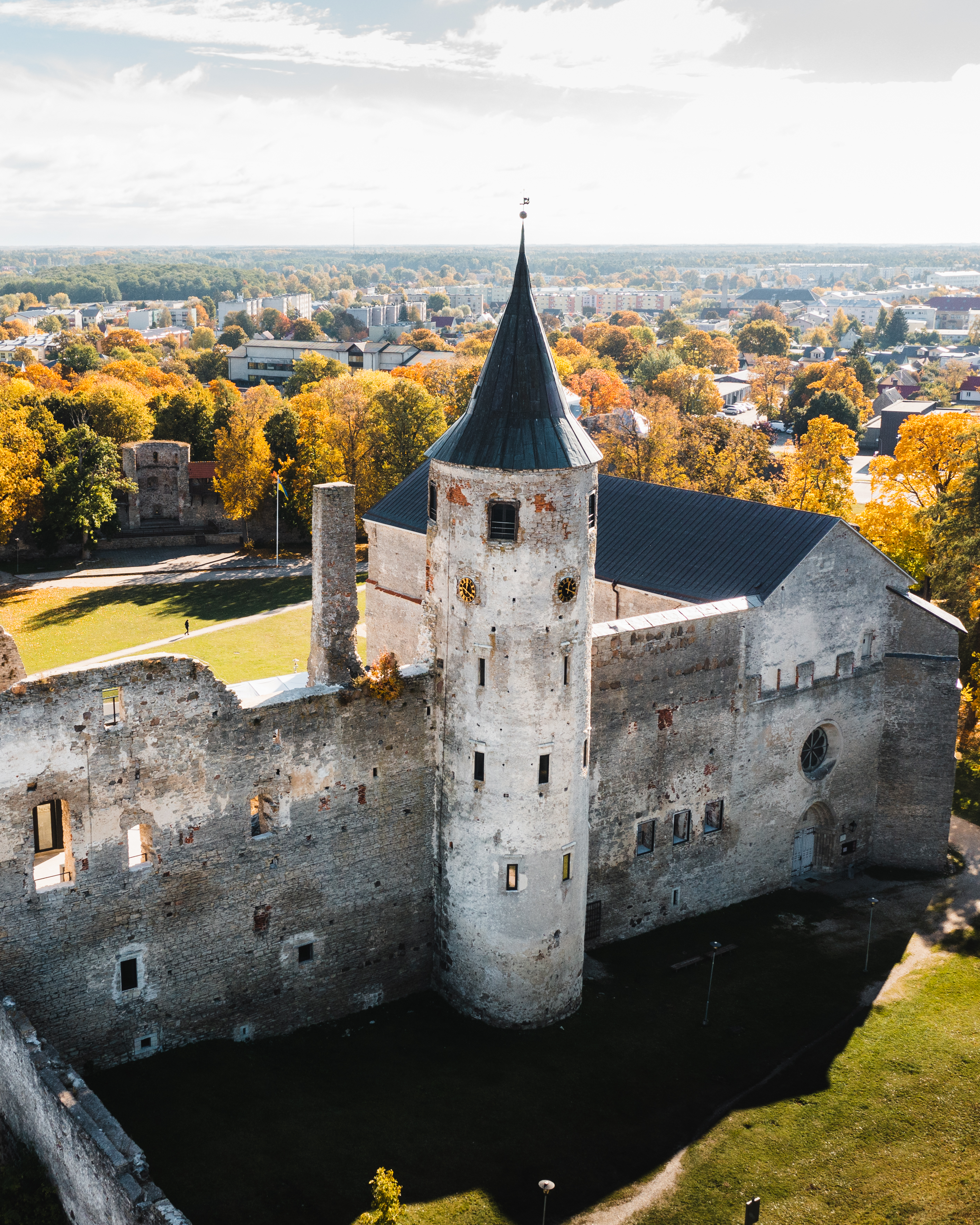
Photo author: Priidu Saart
Photo author: Rivo Veber
Haapsalu's resort history
Haapsalu is also famous for its mud baths and spa treatments.
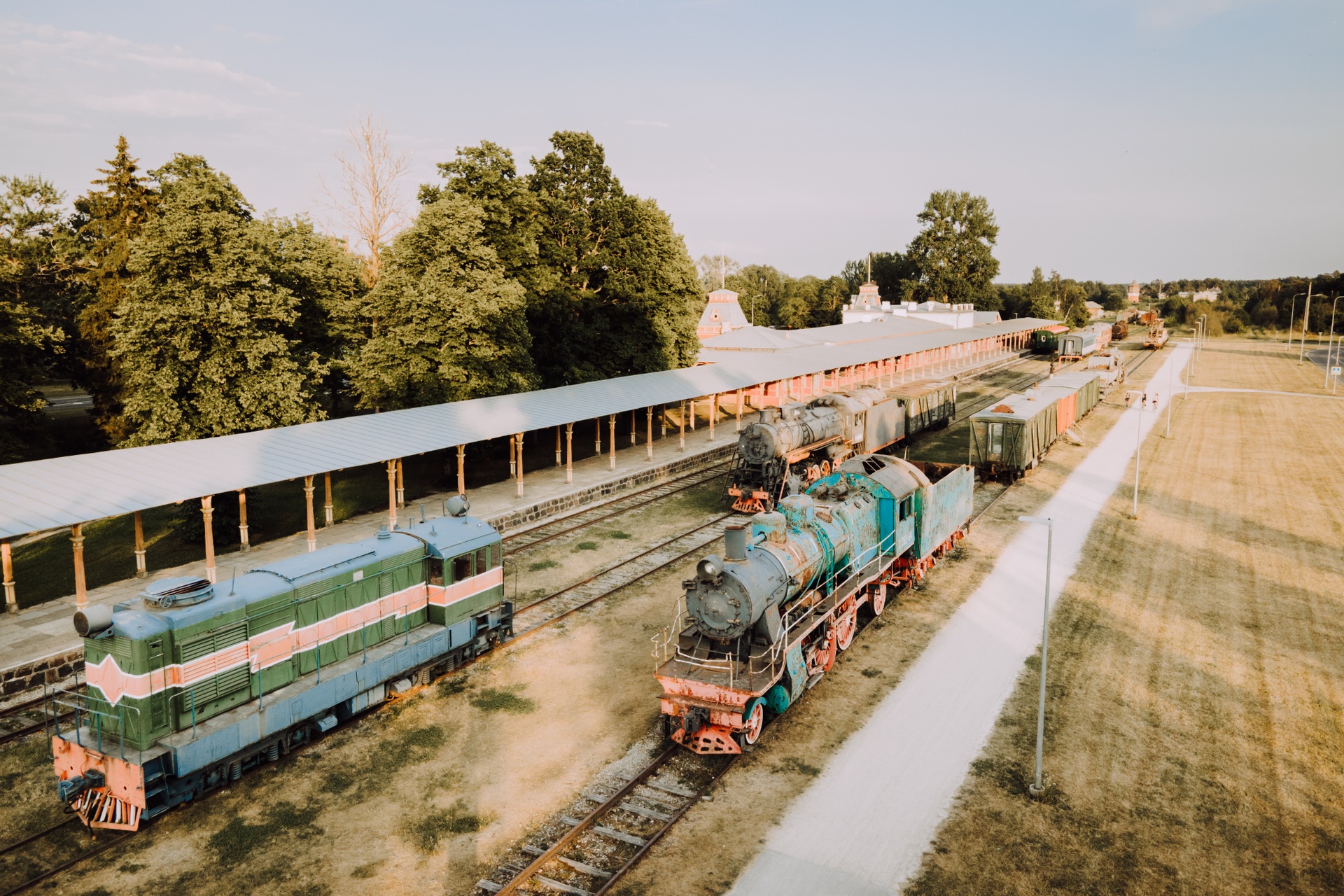
When local doctor Carl Abraham Hunnius arrived in Haapsalu in 1820, he noticed locals using mud from the bay to treat a variety of ailments. After analyzing the chemical components of the mud, he opened the first mud spa in 1825.
With the rise of therapeutic mud treatments, Haapsalu gained popularity among the well-heeled of St. Petersburg. Tsars Peter I, Alexander I, Alexander II, Alexander III, and Nikolai II all visited Haapsalu for a bit of rest and relaxation. Even the composer Pyotr Ilyich Tchaikovsky of Nutcracker fame spent the summer of 1867 in Haapsalu, seeking respite from the pace of life in Moscow.
 Rivo Veber
 Rivo Veber
 Rivo Veber
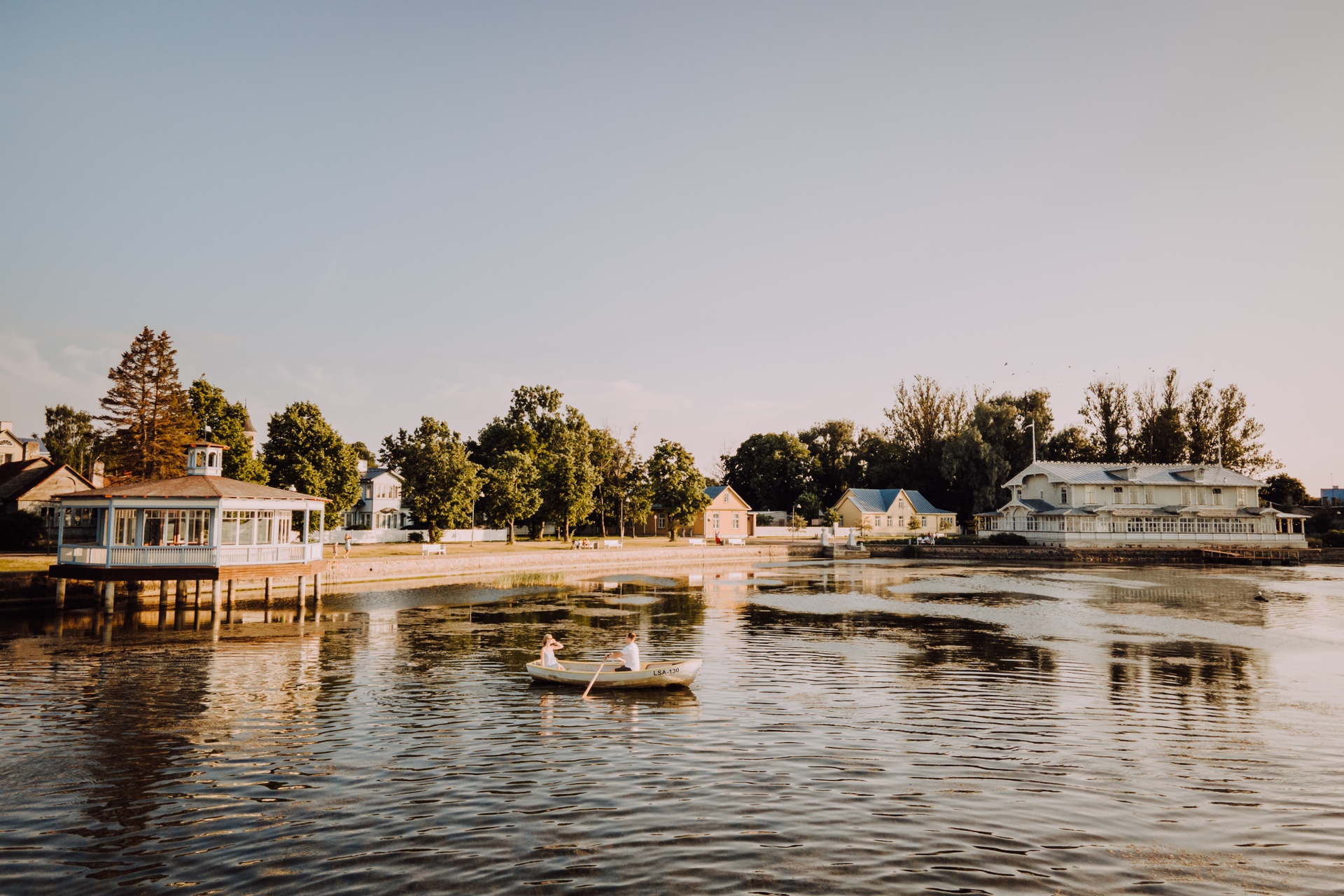
Haapsalu Promenade
During the summer, you can rent a boat and discover what the city and its coastline look like viewed from the sea.
Arts and events
Handicrafts and annual music festivals add to Haapsalu's charm.
Haapsalu's most famous handicraft is a finely knit shawl. The tradition dates back to the 19th century, as affluent visitors turned these delicate works of art into sought-after luxury items. Made of thin wool thread knit into a lacey pattern, the best shawls are said to pass through a wedding ring. You can learn more about them and purchase one to take home at the Haapsalu Lace Center.
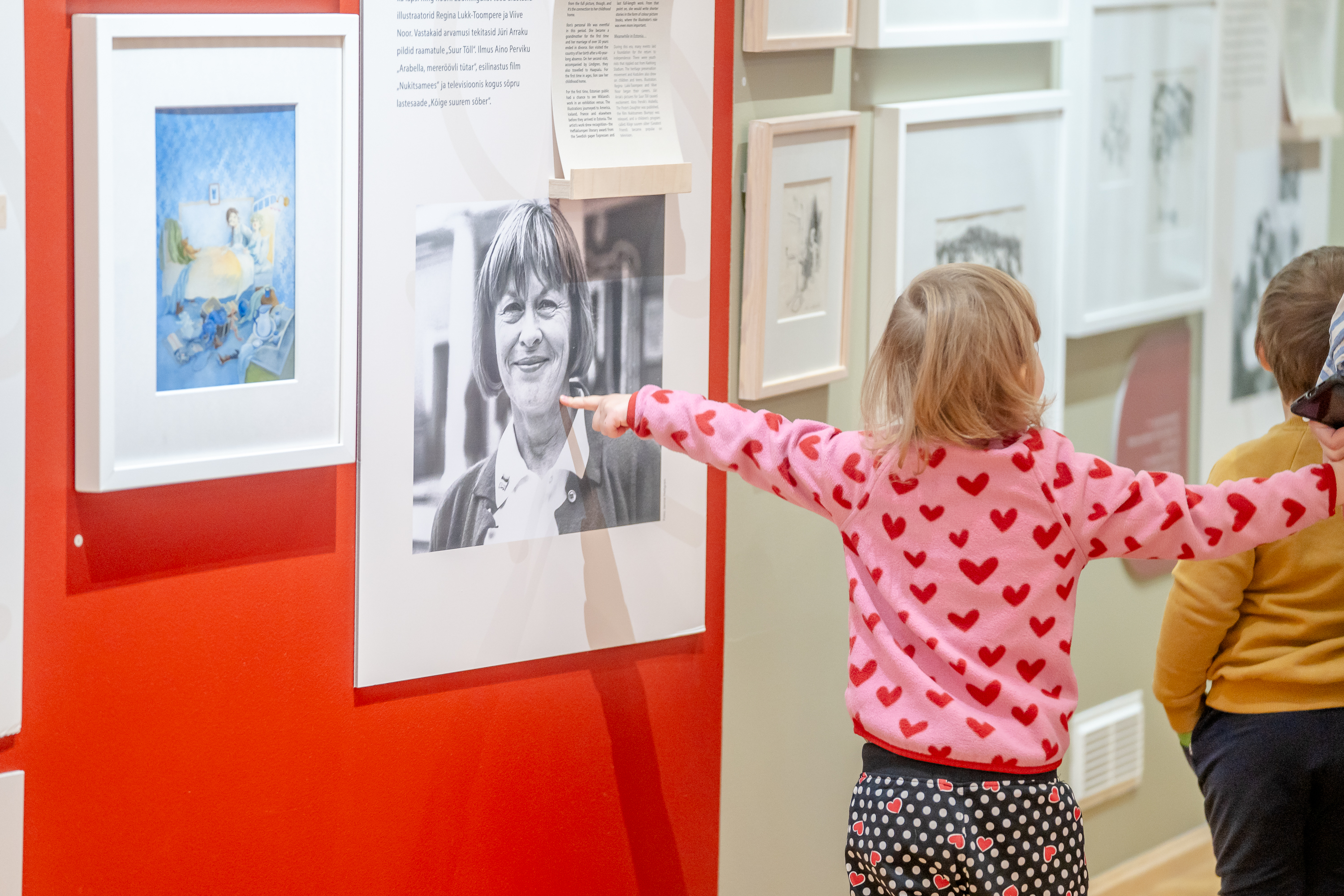
Ilon Wikland, who illustrated several of Astrid Lindgren's books, spent her childhood in Haapsalu before escaping to Sweden in 1944. Ilon's Wonderland is a charming little museum dedicated to preserving Wikand's original artwork.
Haapsalu hosts a number of summer festivals, though the most popular are the Blues music festival "Augustibluus" and the Haapsalu Early Music Festival, a classical music festival held in various historic locations around town.
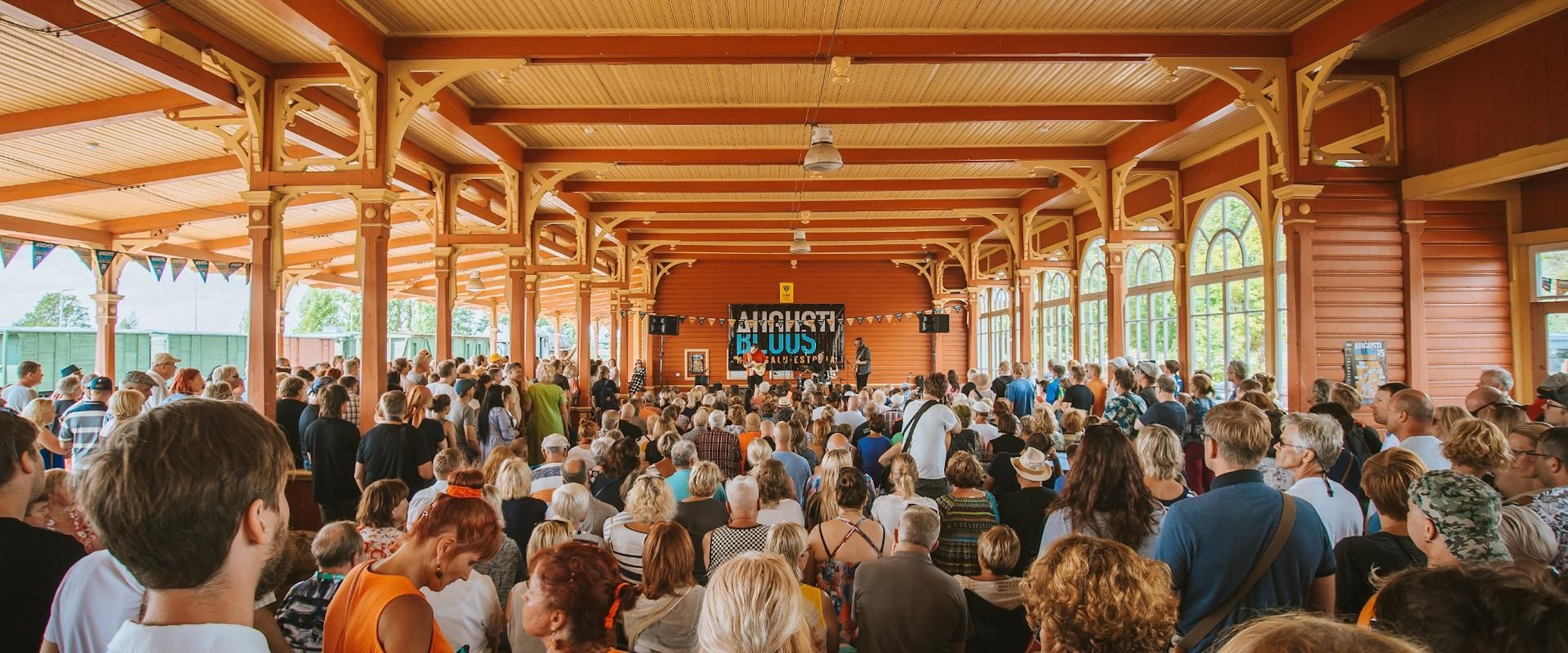
Photo author: Silver Raidla
Upcoming summer events in Haapsalu
Exploring the enchanting landscapes of West Estonia
Vormsi and Osmussaar Islands
Haapsalu is the historic center of Estonia's Coastal Swede community, the Swedish-speaking minority that once inhabited areas of West Estonia and the islands. Most Coastal Swedes left by 1944, though traces of their influence remain. To learn more, you can visit the Museum of Coastal Swedes in Haapsalu.
Vormsi and Osmussaar are two small islands that were once home to Coastal Swedes. Vormsi has several small villages and basic services supporting about 400 year-round residents. Osmussaar, on the other hand, only has five residents. The cemetery next to St. Olav's church on Vormsi is known for its collection of over 300 sun crosses, a Nordic symbol used since pre-Christian times, unique to Estonia's Coastal Swedish communities. On Osmussaar, the island's only chapel was destroyed in 1941, but it has since been partially restored.
How to get there
Regular ferries take you from Rohuküla Harbor, less than 10 km from Haapsalu, to Vormsi, though in summer you should always book your ticket ahead of time. Ferries to Hiiumaa also leave from this same harbor. There's no regular ferry service to Osmussaar; you must book a boat from Dirham Harbor.
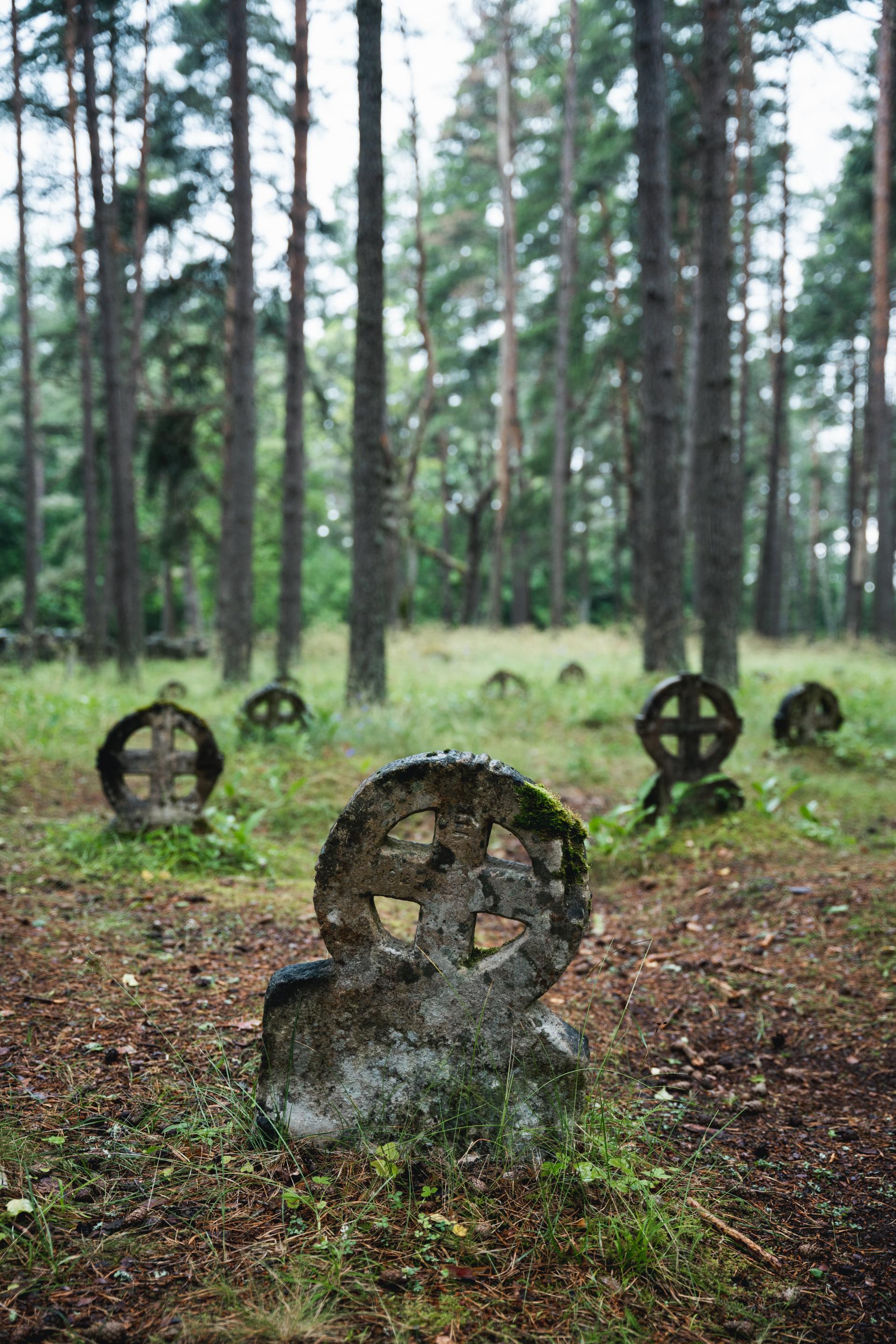
Photo author: Priidu Saart
Matsalu National Park
Matsalu National Park is one of the best birdwatching sites in Estonia, and Haapsalu makes a great base for exploring the area.
After a long day spent looking through binoculars, you can soothe your muscles in a sauna at one of the spa hotels, and then enjoy a leisurely dinner at a local café.
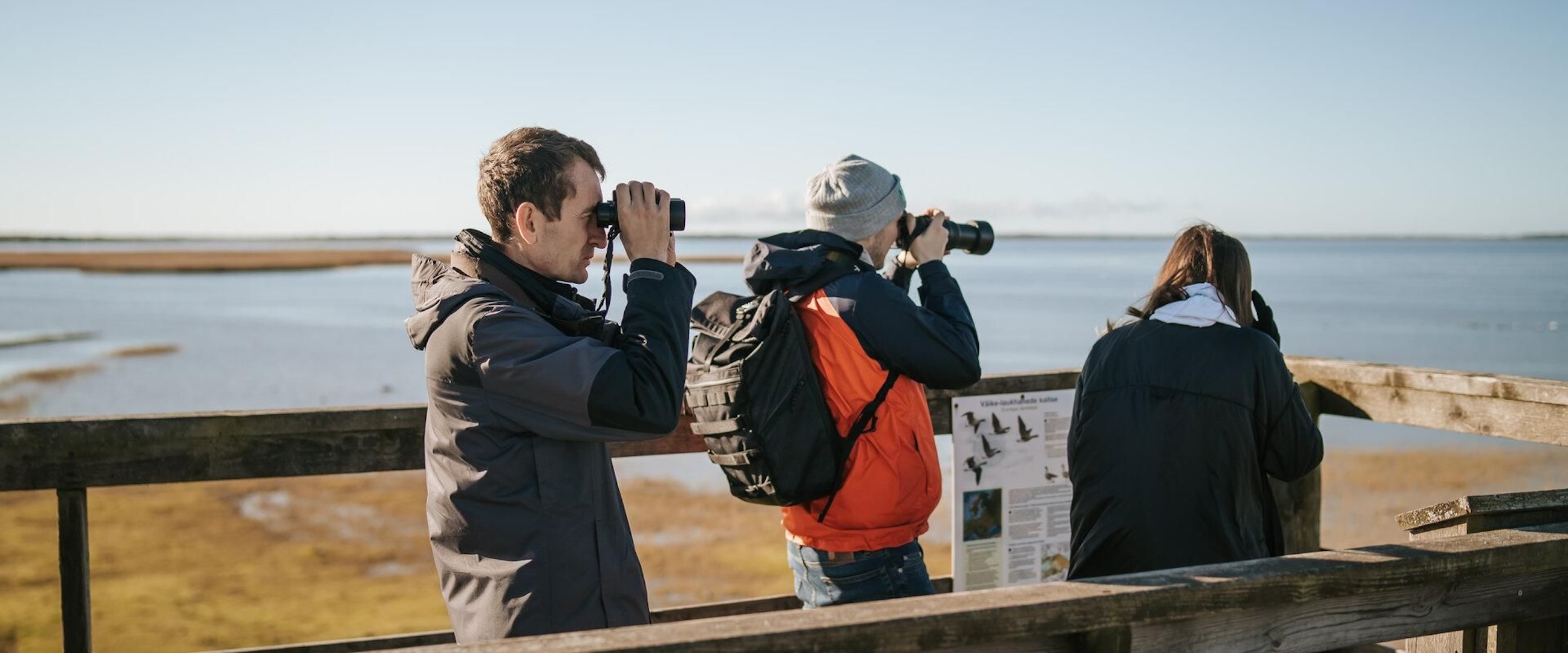
Photo author: Silver Raidla
Get inspired
Last updated
10.07.2026