
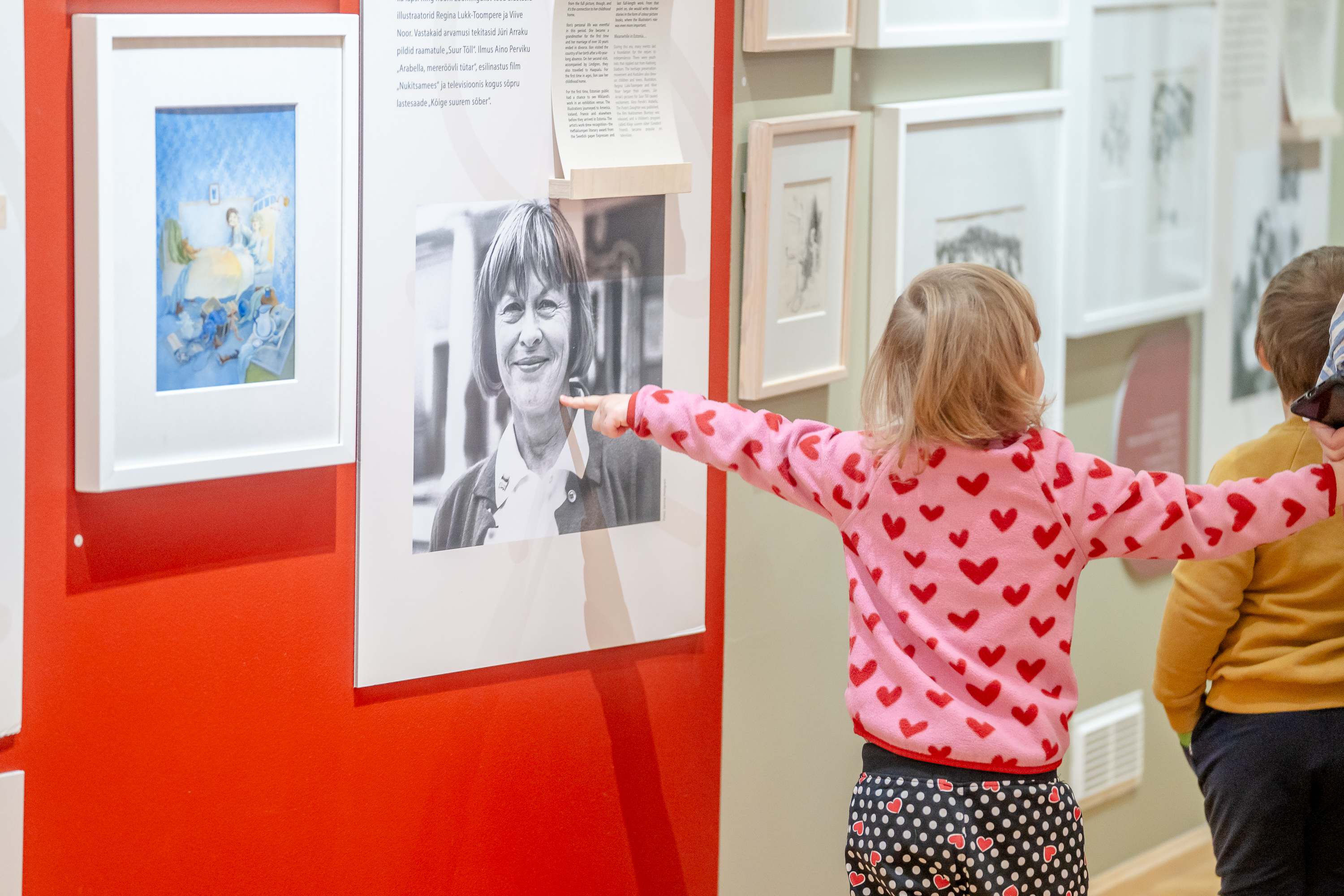
Ilon Wikland – a Swedish artist with Estonian roots
Astrid Lindgren's favorite illustrator celebrates her 95th birthday this year!
On February 5, 2025, internationally renowned illustrator Ilon Wikland turned 95.
Her work with beloved author Astrid Lindgren connected Estonia with the free world while the country was under Soviet occupation.
Wikland's illustrations brought to life many of Lindgren's iconic works, including Karlsson and Little Brother, Ronja the Robber's Daughter, The Children of Bullerby Village, Lota, The Lionheart Brothers, The Potato Children, and many other beloved book heroes.
These characters have become part of the childhood memories of older and younger generations on both sides of the Baltic Sea.

Photo author: Egon Erkmann

Ilon Wikland during a visit to Haapsalu in 2014
In 2024, Wikland received an award from the Estonian-Swedish Cooperation Chamber recognizing her deep artistic connection to both countries.
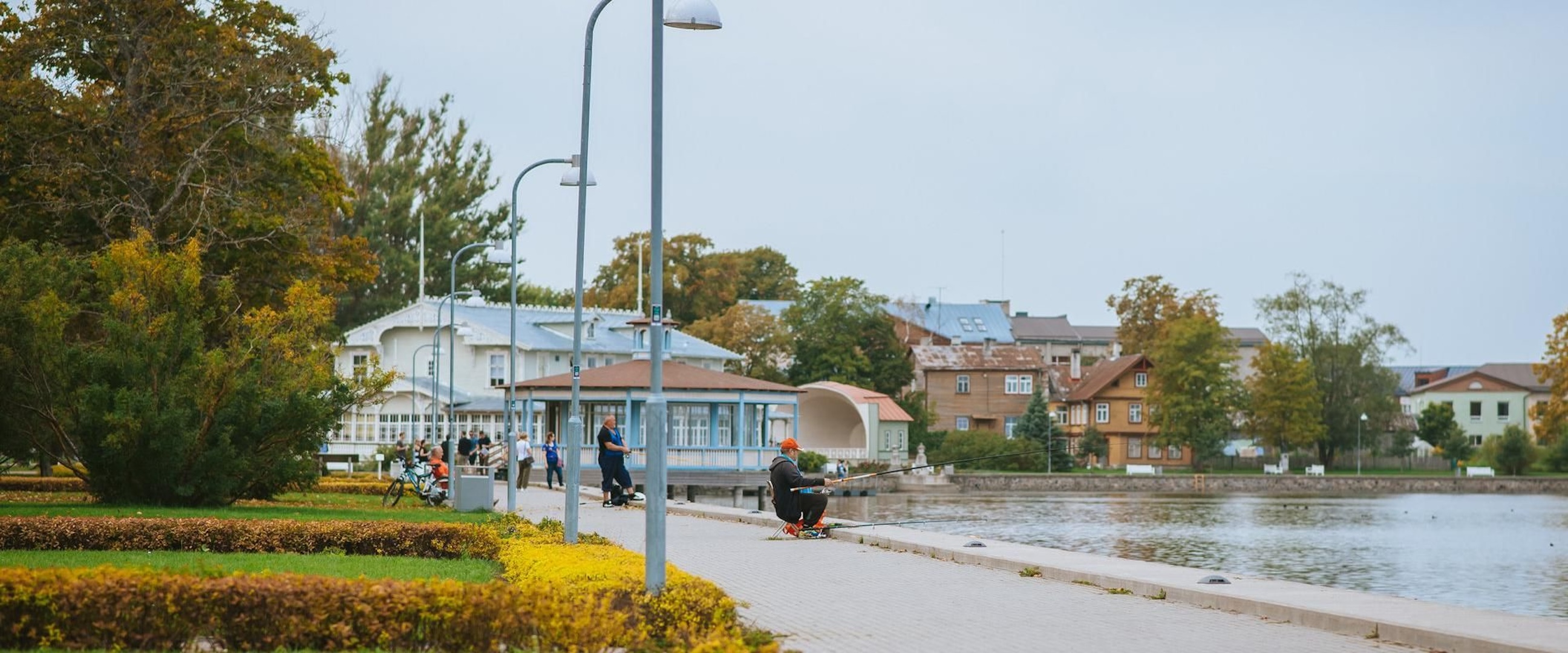
A home in the seaside town of Haapsalu
When Wikland was eight years old, her parents divorced — her father remarried, and her mother moved to Italy.
She traveled to Haapsalu from Tallinn with her precious dog in 1938, where she lived with her grandmother and grandfather "in the yellow house by the church" (on the corner of Linda and Rüütli Street) until September 22, 1944.
Fans of her work will recognize the neighborhoods of wooden houses with woodpiles, cherry trees, and slanted houses in cheerful colors. The town's medieval castle even looks exactly like Mattis Castle from Ronja the Robber's Daughter.

Photo author: Egon Erkmann
Fleeing Estonia
On the same day the Red Army captured Tallinn in 1944, fourteen-year-old Wikland escaped on a two-masted sailboat to Sweden.
Her grandparents were too old to accompany her, and she never saw them again.
In Stockholm, her life began anew. She moved in with her aunt, who was an artist, and studied painting. Wikland married naval officer Stig Wikland at 21 and eventually had four daughters. Her children never learned Estonian because Wikland didn't know if returning to Estonia would ever be possible.

Photo author: Rivo Veber
Meeting Astrid Lindgren
When her husband was sent to sea, Wikland was left alone with her first daughter.
She had no job and was short of money, so she got in touch with a former classmate who worked at Rabén & Sjögren publishing house in Stockholm. Her friend, who knew Wikland could draw, suggested she come and meet Astrid Lindgren, who had already published several books by then. So Wikland gathered some drawings, put her daughter in the stroller, and went to the publishing house.
The rest, as they say, is history.


Ilon's Wonderland
Wikland's Estonian roots always remained close to her heart, even though she wasn't able to go back to Estonia until 1987.
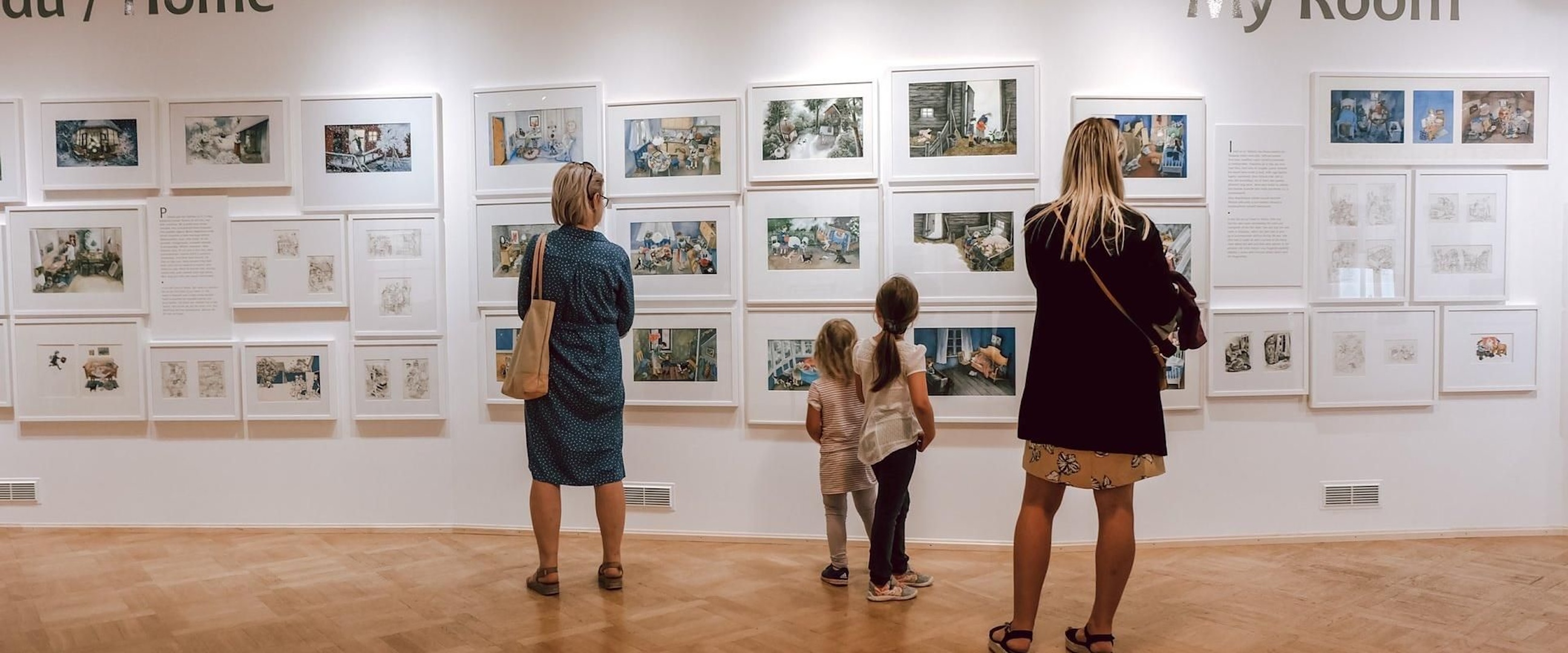
In 2004, Wikland donated several hundred of her original book illustrations to the Estonian state. In 2009, Ilon's Wonderland opened, preserving nearly 1,000 of Wikland's original works. The museum was later expanded to include a craft and activity center for children and is now one of Haapsalu's most popular tourist destinations.
A yellow bag, the only possession Wikland brought with her to Sweden, is now in the museum in Haapsalu.

Photo author: Egon Erkmann
The historic ties between Estonia and Sweden
Wikland's native language is Estonian, and she didn't learn Swedish until she arrived in Sweden.
However, she may have heard it before leaving Estonia, as Haapsalu was an important town for the region's Coastal Swedes.
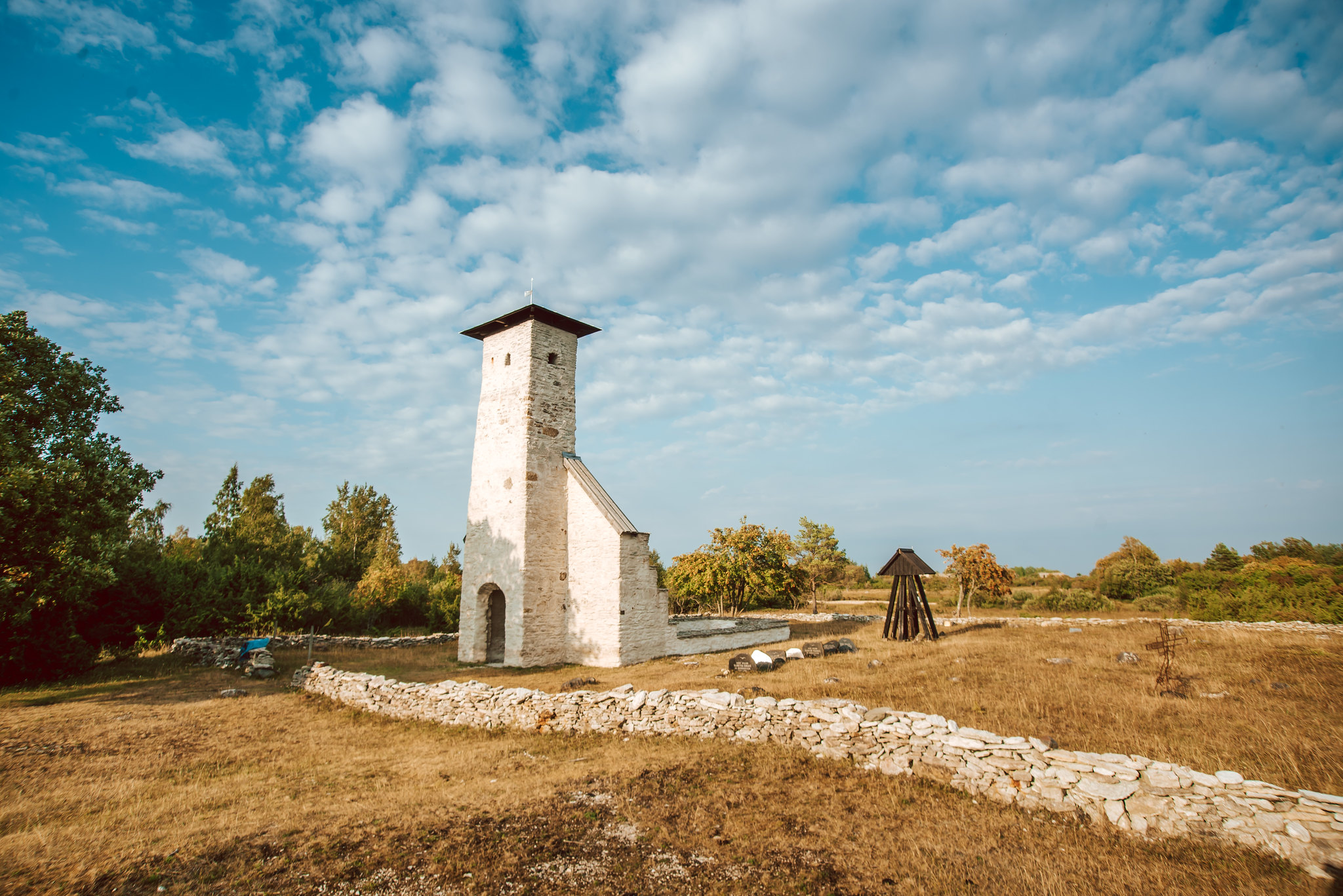
Swedes lived along Estonia's western coast and islands for centuries, and their dialect of Swedish was heard around the region until World War II. By 1944, most of the community had left Estonia to escape the Soviet occupation. The Museum of the Coastal Swedes in Haapsalu is the best place to learn more about their culture and history.
During the occupation, Haapsalu was closed to outsiders. When freedom returned to the town in 1991, the decay was noticeable. Over the years, the town has recovered and regained its reputation as a picturesque seaside health resort.

Photo author: Julia Kivela, Visit Haapsalu

Get inspired
Last updated
07.10.2026