
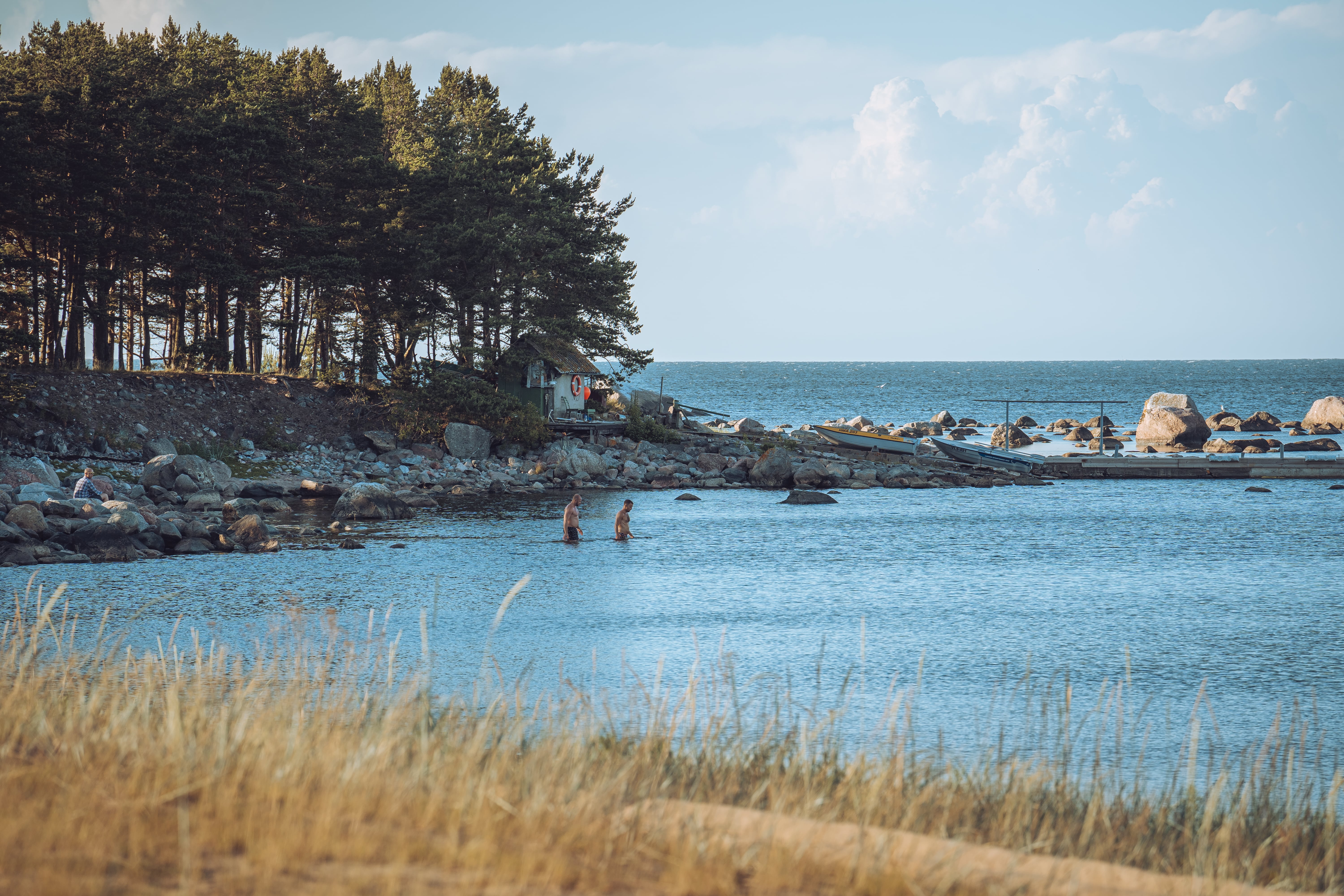
Top islands to visit in Estonia
Estonia's islands have played a crucial role in the country's history and culture. Here are the ones with regular ferry connections.
Estonia has 2,317 islands.
However, very few of them are inhabited or easily accessible to visitors.
Luckily, the ones that are can be reached on a short ferry ride into the Baltic Sea (or Lake Peipsi for Piirissaar). They are quiet places for hiking, camping, exploring Estonia's rich coastal heritage, and enjoying local food.
Climb to the top of a lighthouse. Poke around abandoned military installations. Immerse yourself in island life at a music festival or home café day. Whatever you decide to do, it will not be your average island holiday.
Saaremaa
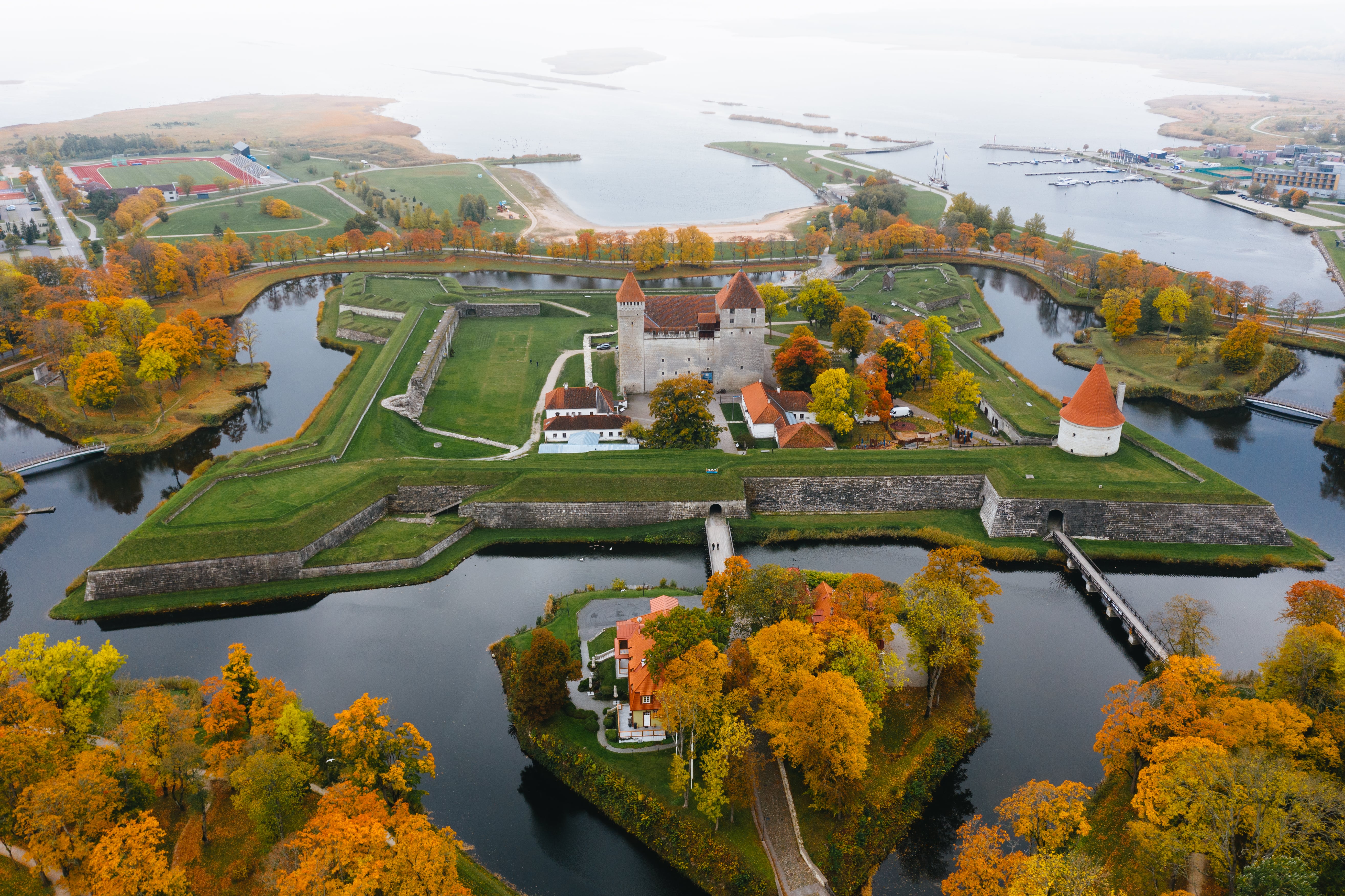
Estonia's largest island, Saaremaa, attracts visitors with its natural beauty, rich history, and cultural heritage.
Here, you will find ancient spa resort traditions in the island's capital, Kuressaare, which has something to offer everyone, regardless of the season. Saaremaa is one of Estonia's top tourist destinations, attracting visitors from near and far.
How to get to Saaremaa
Take a ferry to Muhu Island from Virtsu Port on the mainland and then drive to Saaremaa. For a quick, comfortable journey from Tallinn to Kuressaare, consider flying; it takes around 30 minutes.
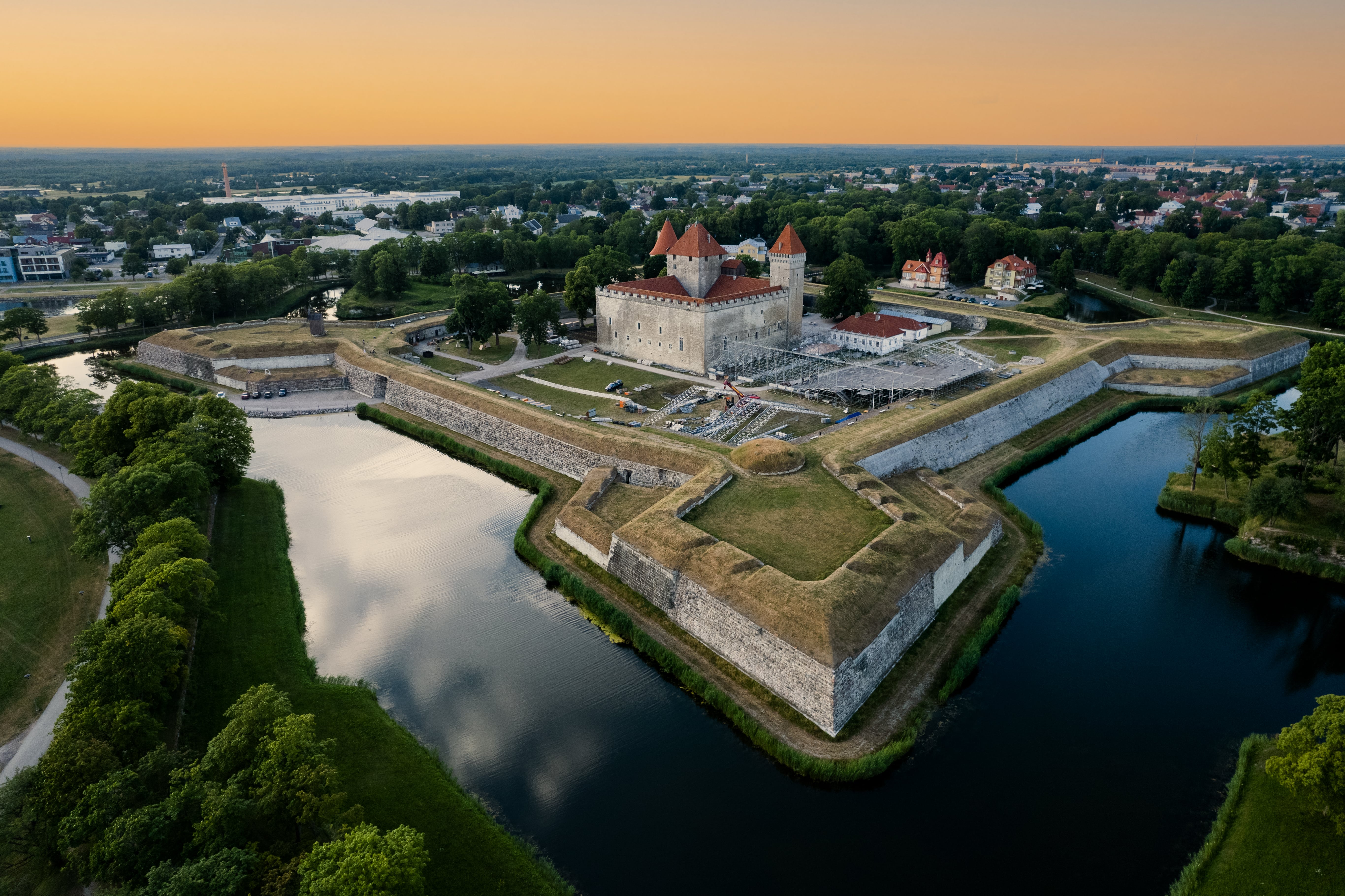
Photo author: Robert Lindström
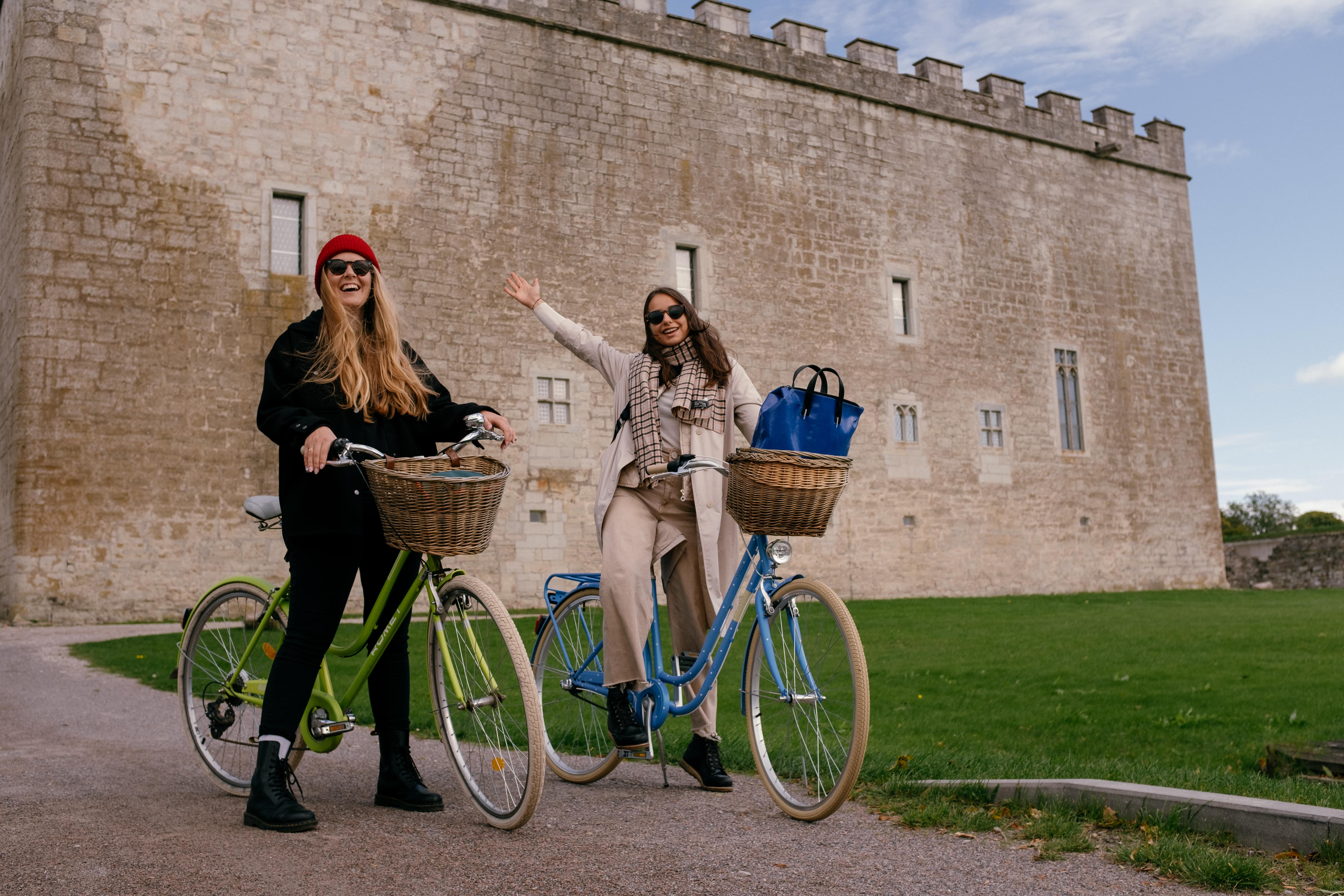
Vilsandi
During its peak, Vilsandi was home to over 200 people, including fishermen, sailors, and seal hunters.
The island itself is believed to be over 2000 years old. Today, only one permanent resident lives there: an island guard. It is also part of Vilsandi National Park, Estonia's most marine national park and the most island-rich region. The park was established in 1910.
What to see: Stop by the Vilsandi National Park RMK Visitor Center before setting out to explore. Discover the Harilaiu Peninsula on the Harilaiu hiking trails, which take you to the scenic Kiipsaare Lighthouse. Take in the view from atop Vilsandi Lighthouse on Vilsandi Island.
How to get to Vilsandi
A visit to Vilsandi National Park should be planned ahead. There is a boat connection organized by the local municipality that runs from Papissaare (Saaremaa) to Vikati (Vilsandi) and back.
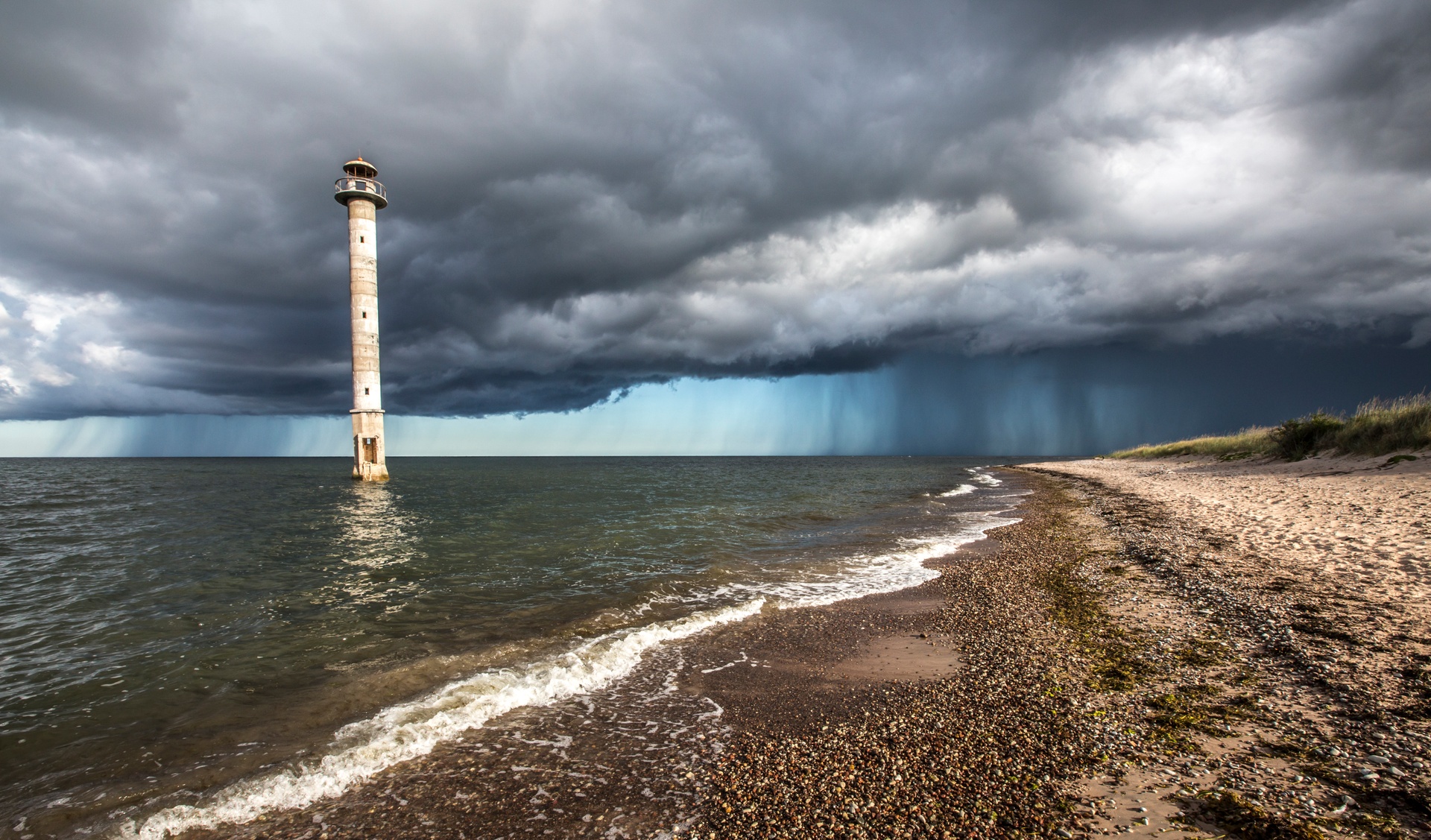
Photo author: Mati Kose
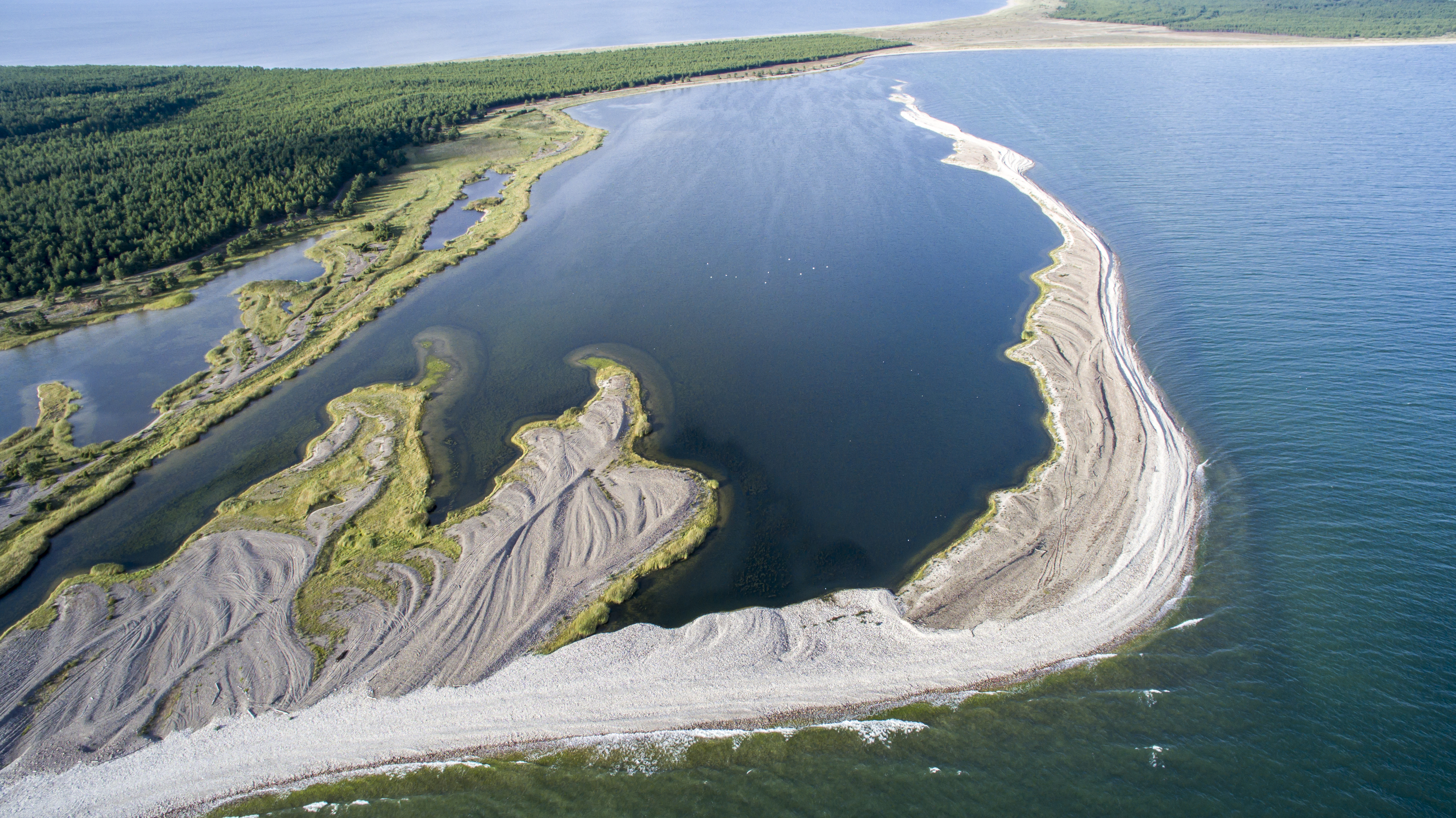
Muhu
Muhu is known for its timeless village ambiance and natural landscapes, which have remained unchanged for centuries.
Distances between attractions are short, making it ideal for exploration by bicycle, horseback, or boat. Muhu Islanders have preserved their coastal culture from ancient times to today by advocating for ecological balance and promoting a nature-centric mindset.
How to get to Muhu Island
By ferry from Kuivastu Port on the mainland or by bridge from Saaremaa
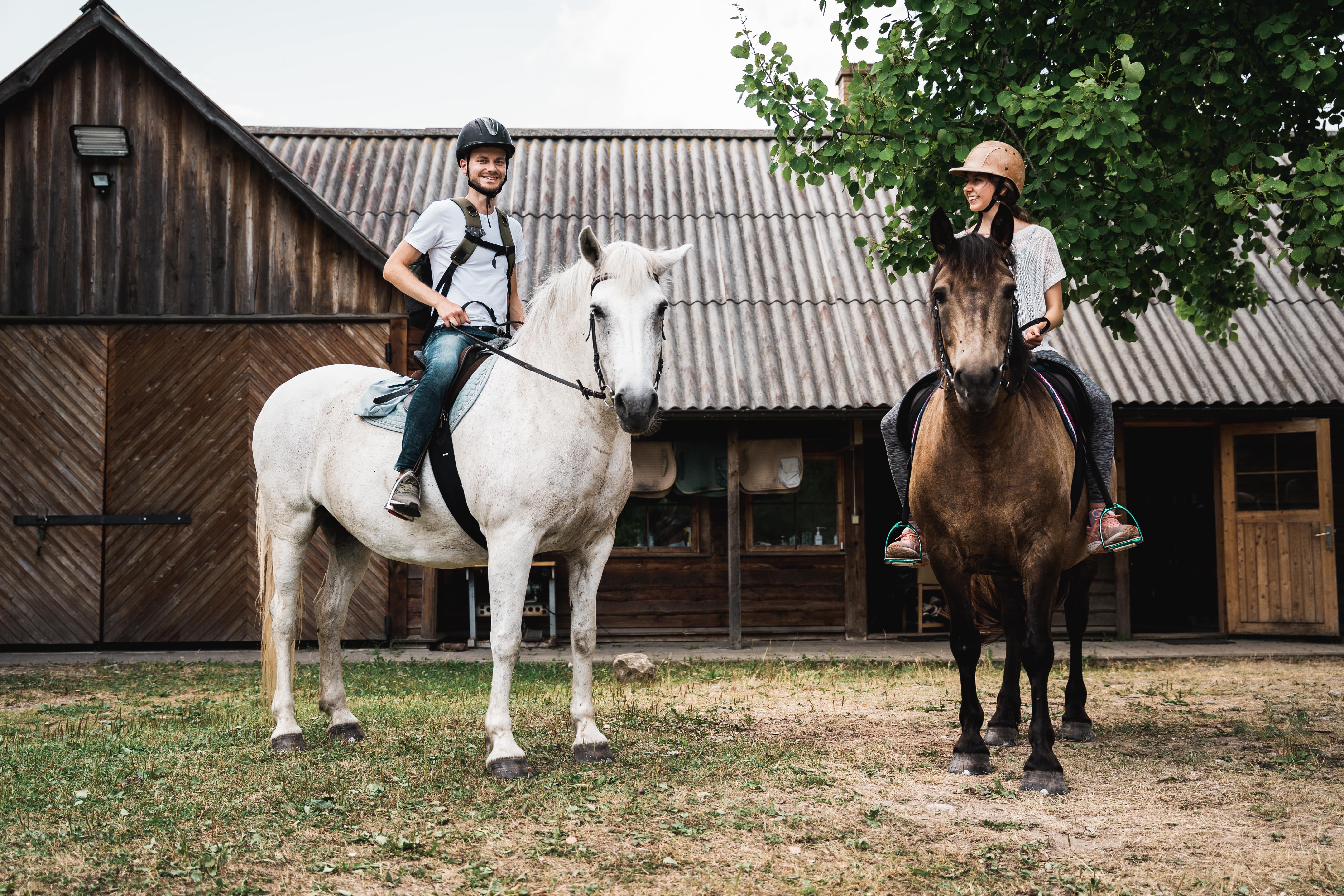
Photo author: Priidu Saart
Hiiumaa
What sets Hiiumaa apart from other Estonian islands is its exceptionally clean, unspoiled natural beauty.
Unlike Saaremaa, you won't find modern spa centers or health resorts here because the island itself is like a spa, with plenty of summer sunshine, soothing sea waves, and long sandy beaches. The salty seawater is believed to be particularly beneficial for skin problems and for easing bone pain. Hiiumaa is also home to Kõpu Lighthouse, one of the oldest operating lighthouses in the world.
How to get to Hiiumaa
By ferry from Rohuküla to Heltermaa or the ferry line from Saaremaa (Triigi Port) to Hiiumaa (Sõru Port). For a quick and comfortable journey from Tallinn to Kärdla, consider flying, which takes around 30 minutes.
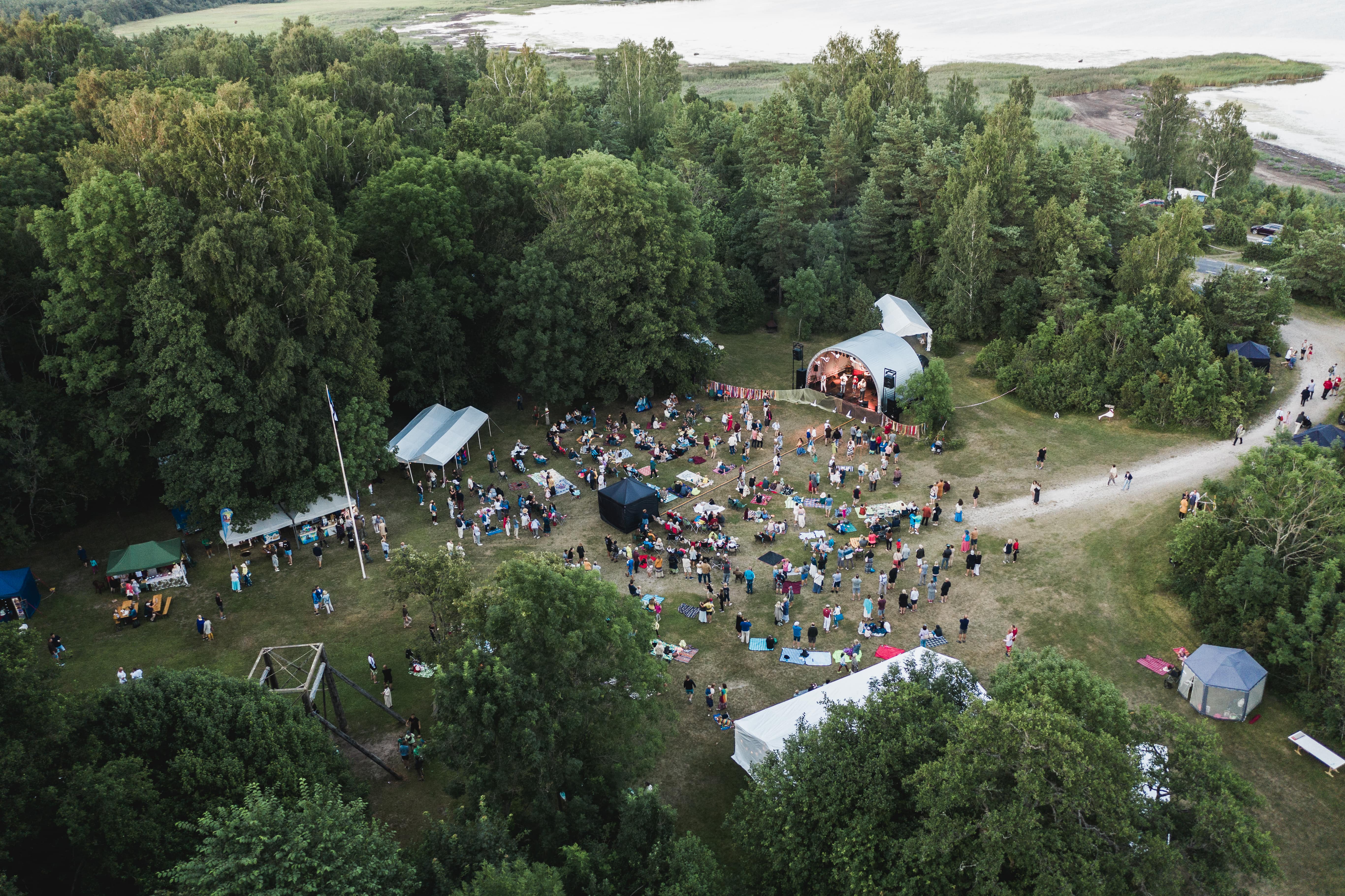
Photo author: Priidu Saart
Vormsi
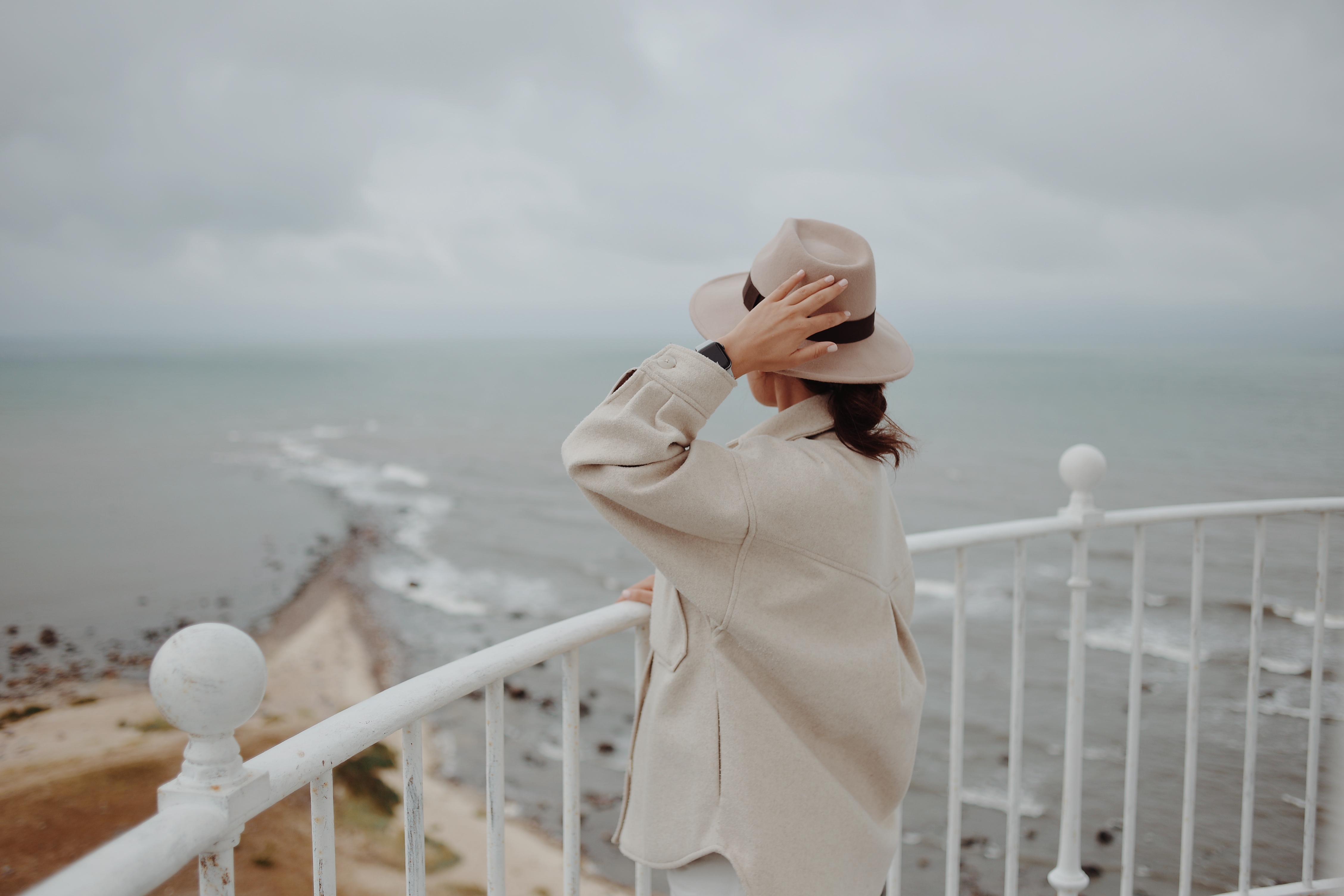
During a romantic walk or bike ride around the island, you can still see the influence of Swedish seafarers who settled there hundreds of years ago in the architecture and place names.
Until 1944, the island was inhabited mainly by Coastal Swedes, who fled to Sweden after World War II. Nowadays, around 450 people live on the island. Vormsi is a great holiday destination for those seeking untouched nature and those interested in Coastal Swedish history.
How to get to Vormsi
By ferry from Rohuküla Harbors near Haapsalu
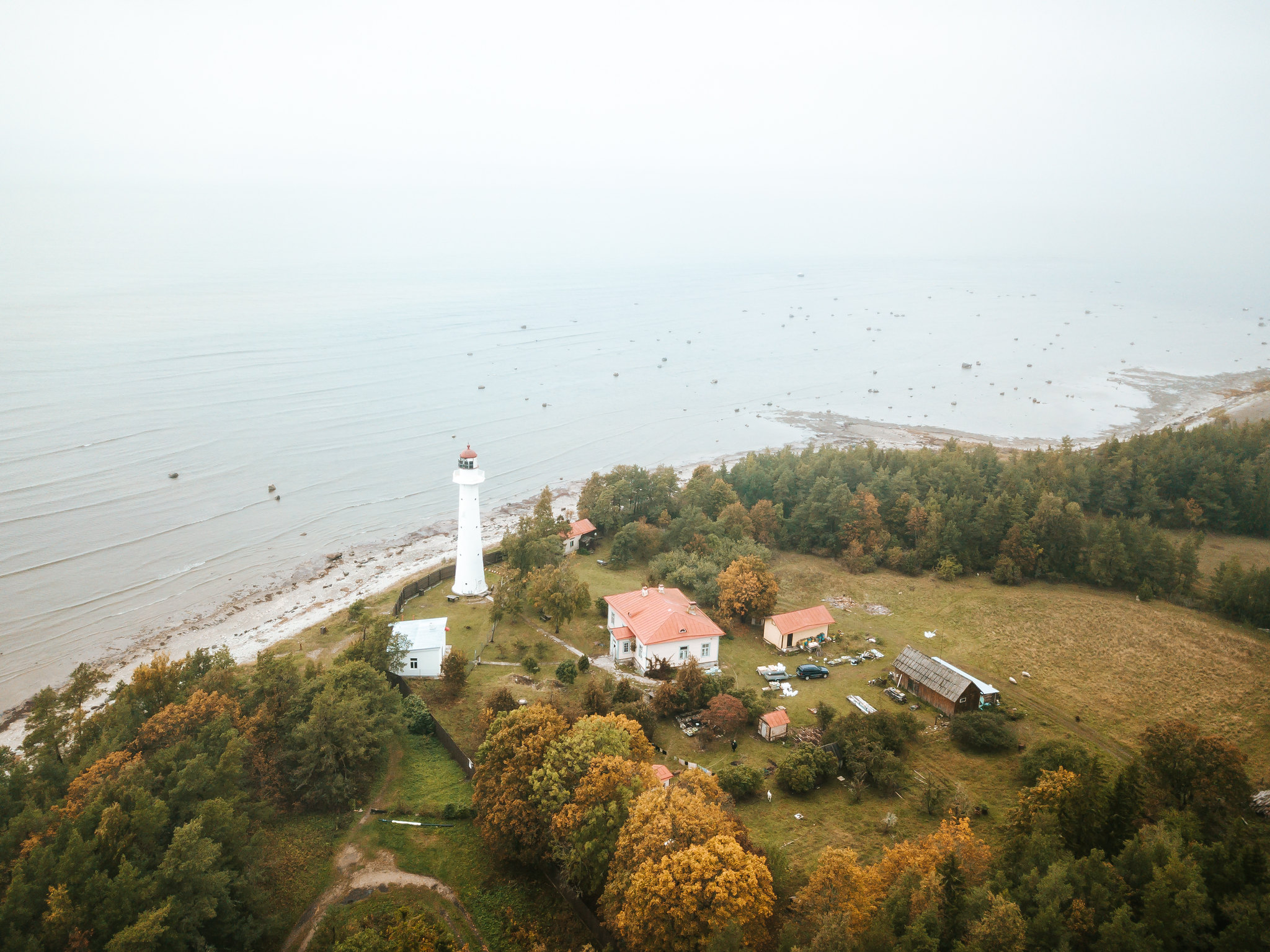
Photo author: Silver Raidla, Visit Haapsalu
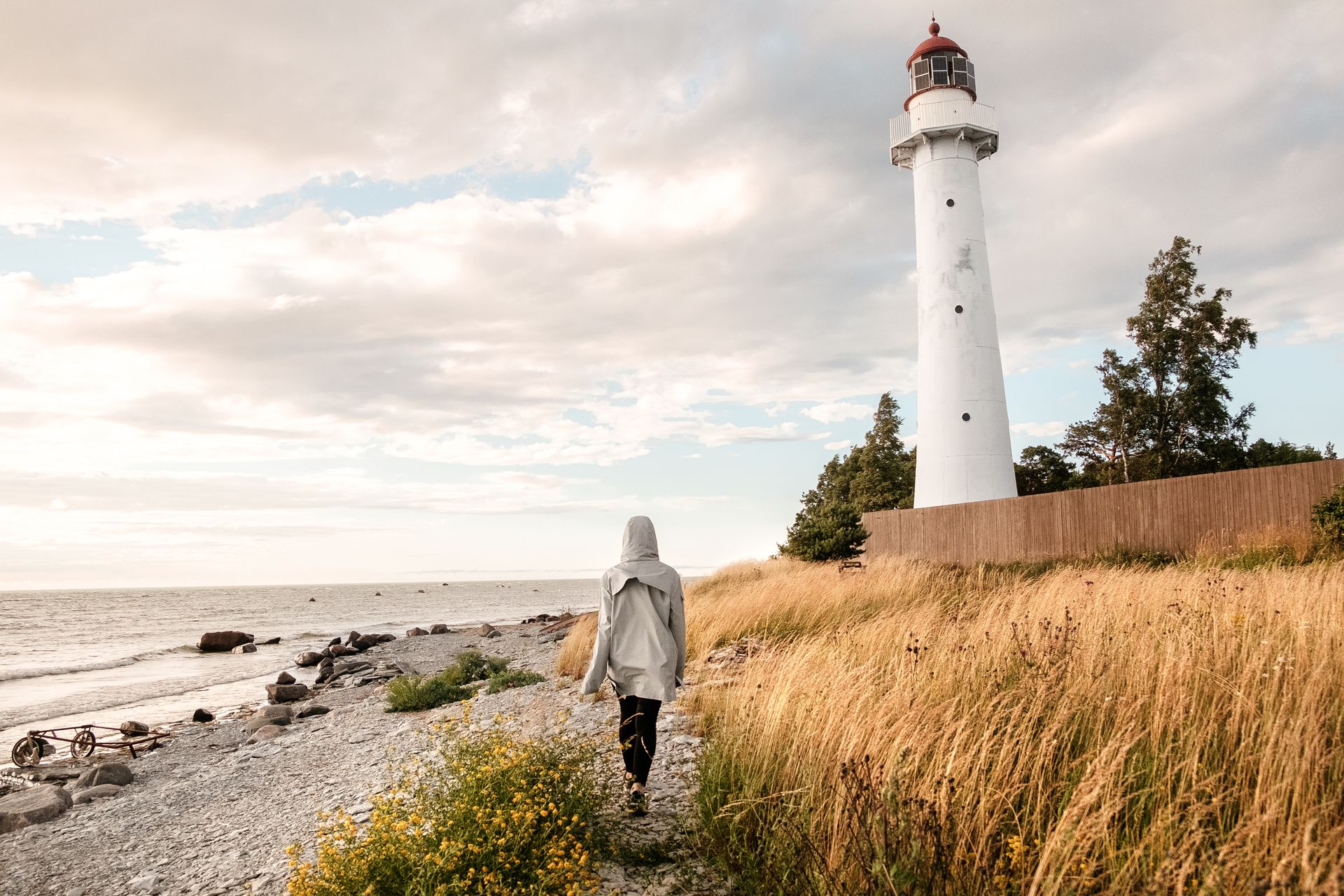
What to see on Vormsi
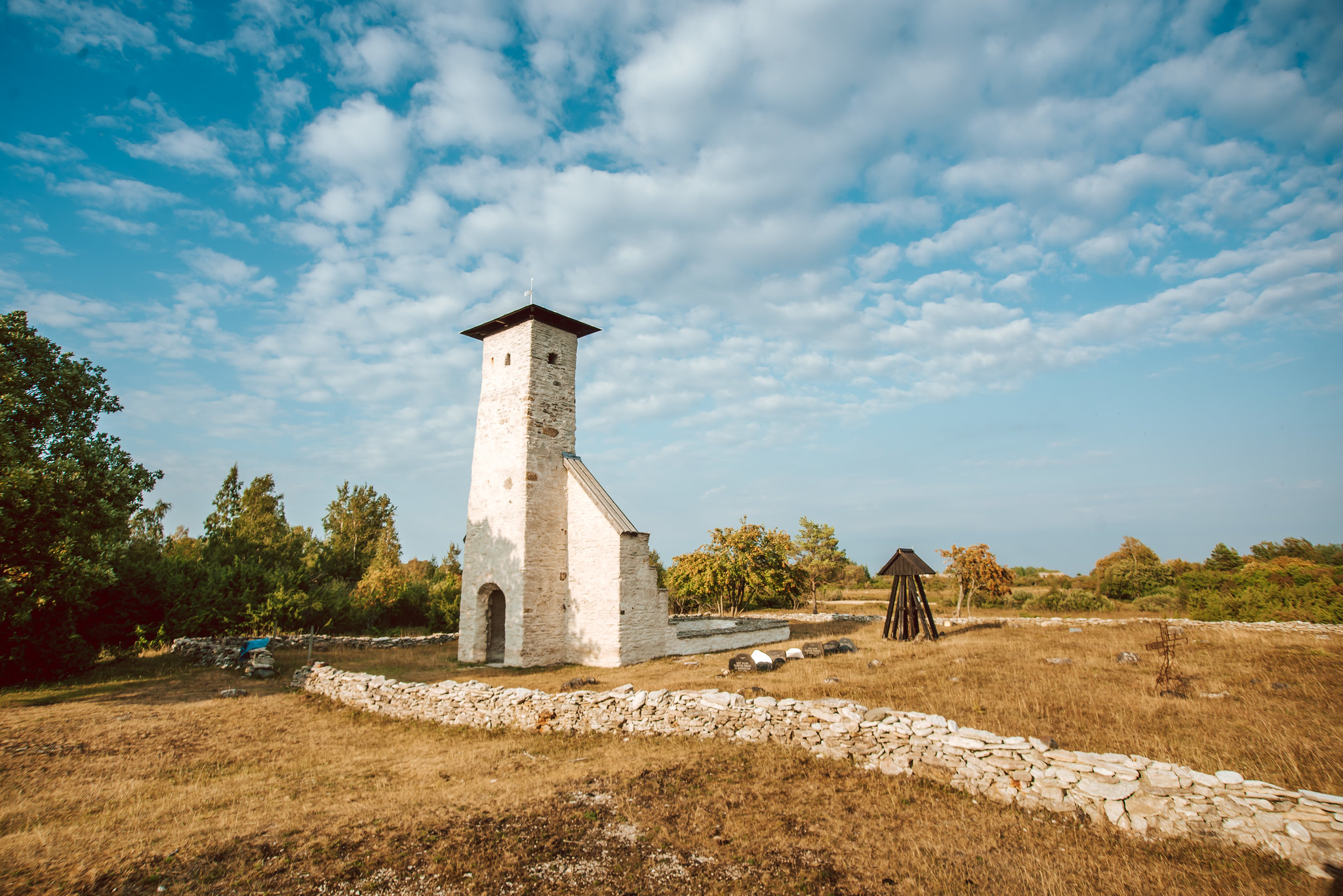
Kihnu
Kihnu offers much to see, yet it is small enough to be perfect for hiking and cycling.
Kihnu is a unique treasure, as its lifestyle and culture are part of UNESCO's List of Intangible Cultural Heritage. The island's residents still practice these ancient traditions. Women often wear traditional clothing, and music and dancing are part of important celebrations. You can try locally caught fish at one of the island's home cafés or purchase intricate knitwork at one of the many handicraft shops.
How to get to Kihnu
By ferry from Munalaiu Harbors, about 30 minutes from Pärnu
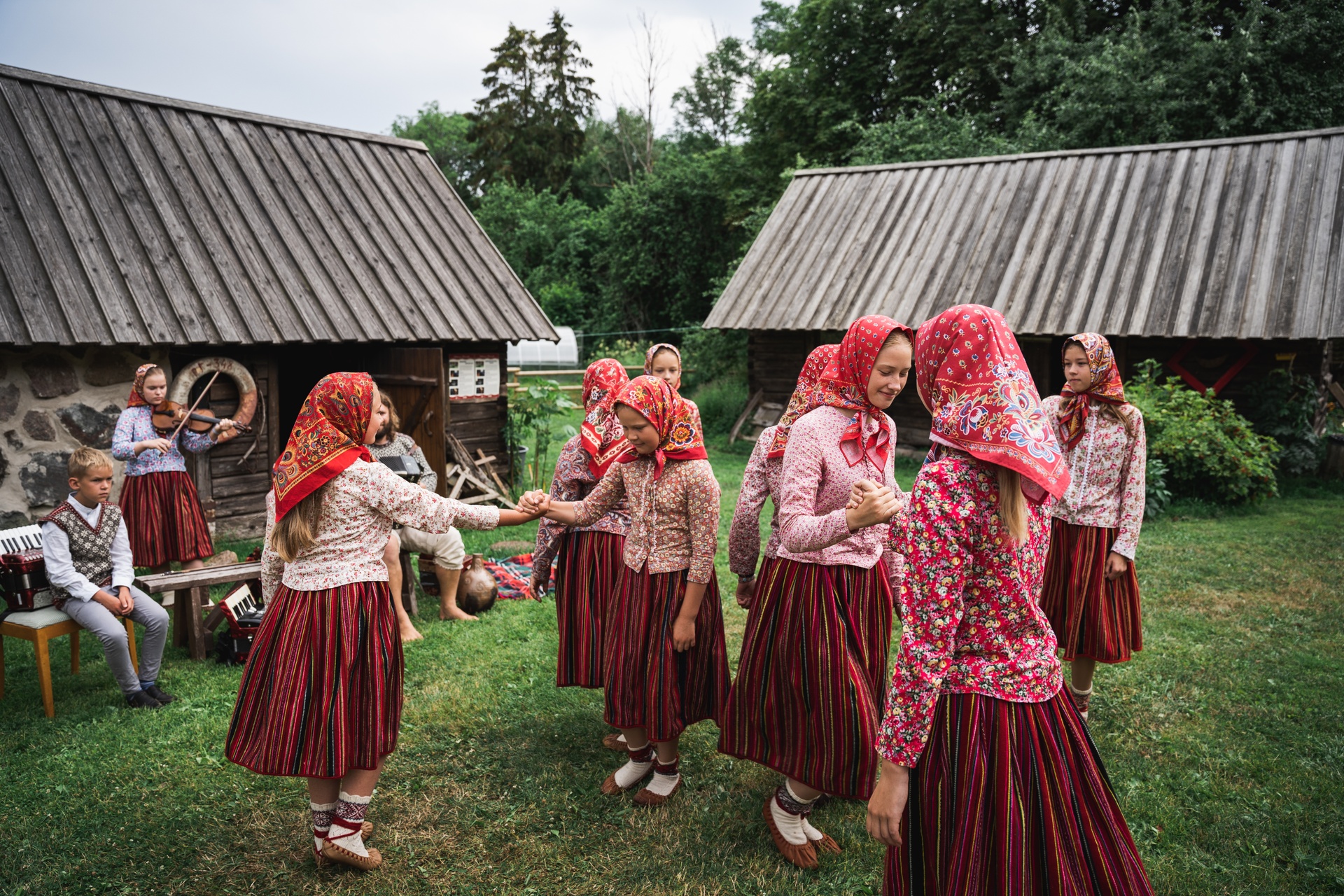
Photo author: Priidu Saart
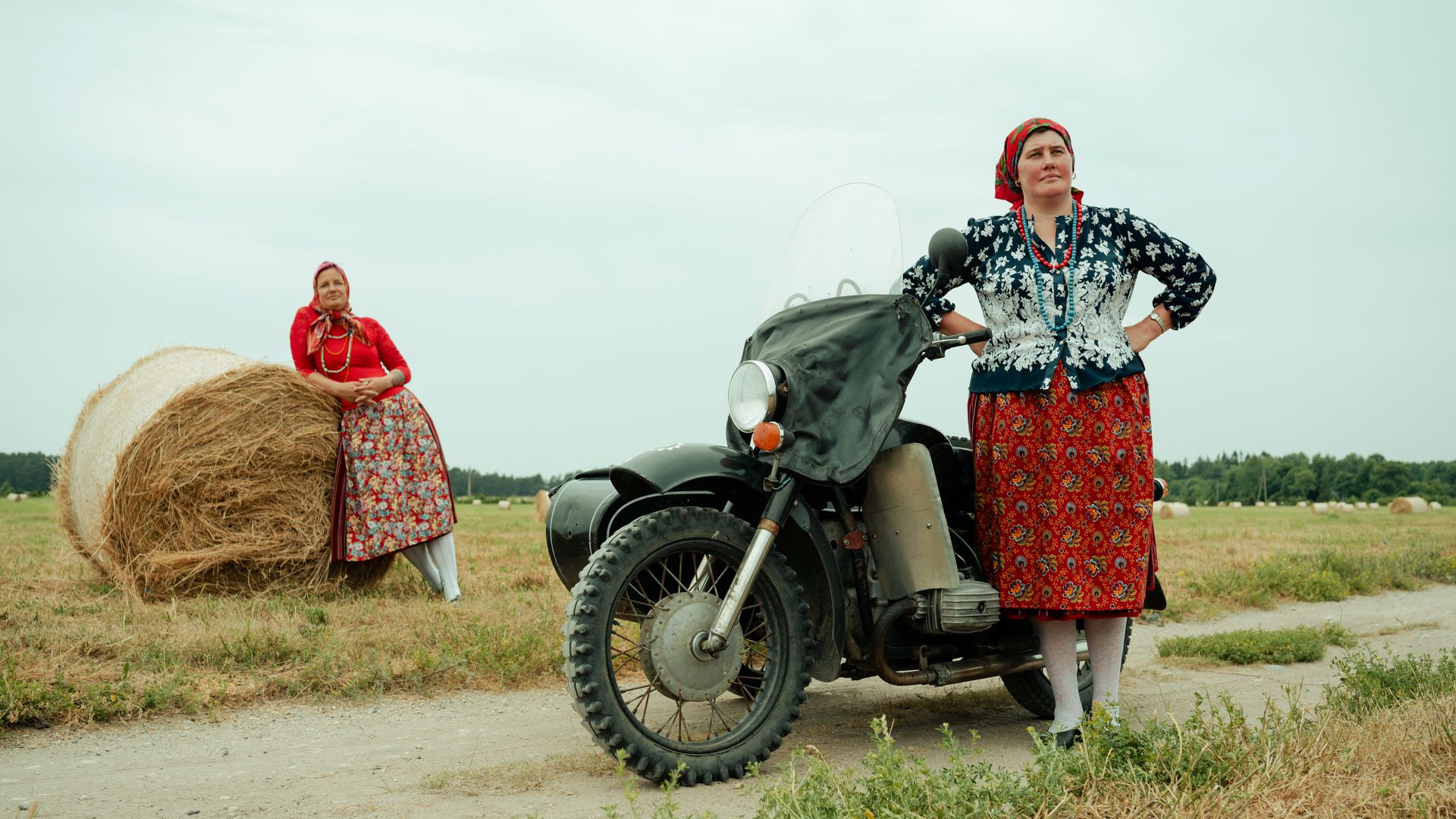
Ruhnu
Despite its small size, the sixty-inhabitant island community raises horses, sheep, and cows and has a weather station, airport, post office, doctor, library, and two shops.
Ruhnu, Estonia's southernmost island, is called "the pearl of the Gulf of Riga." The island had a strong Swedish community for centuries, but like most Coastal Swedes, they left for Sweden in 1944.
What to see: St. Madeline's Church, built in 1644, is Estonia's oldest standing wooden building. It stands alongside the island's current church, built in 1912. The metal lighthouse dates back to the late 1800s. A museum and a restored farm complex are open during the summer season.
How to get to Ruhnu
By ferry from Pärnu, Munalaiu, or Saaremaa's Roomassaare Harbors
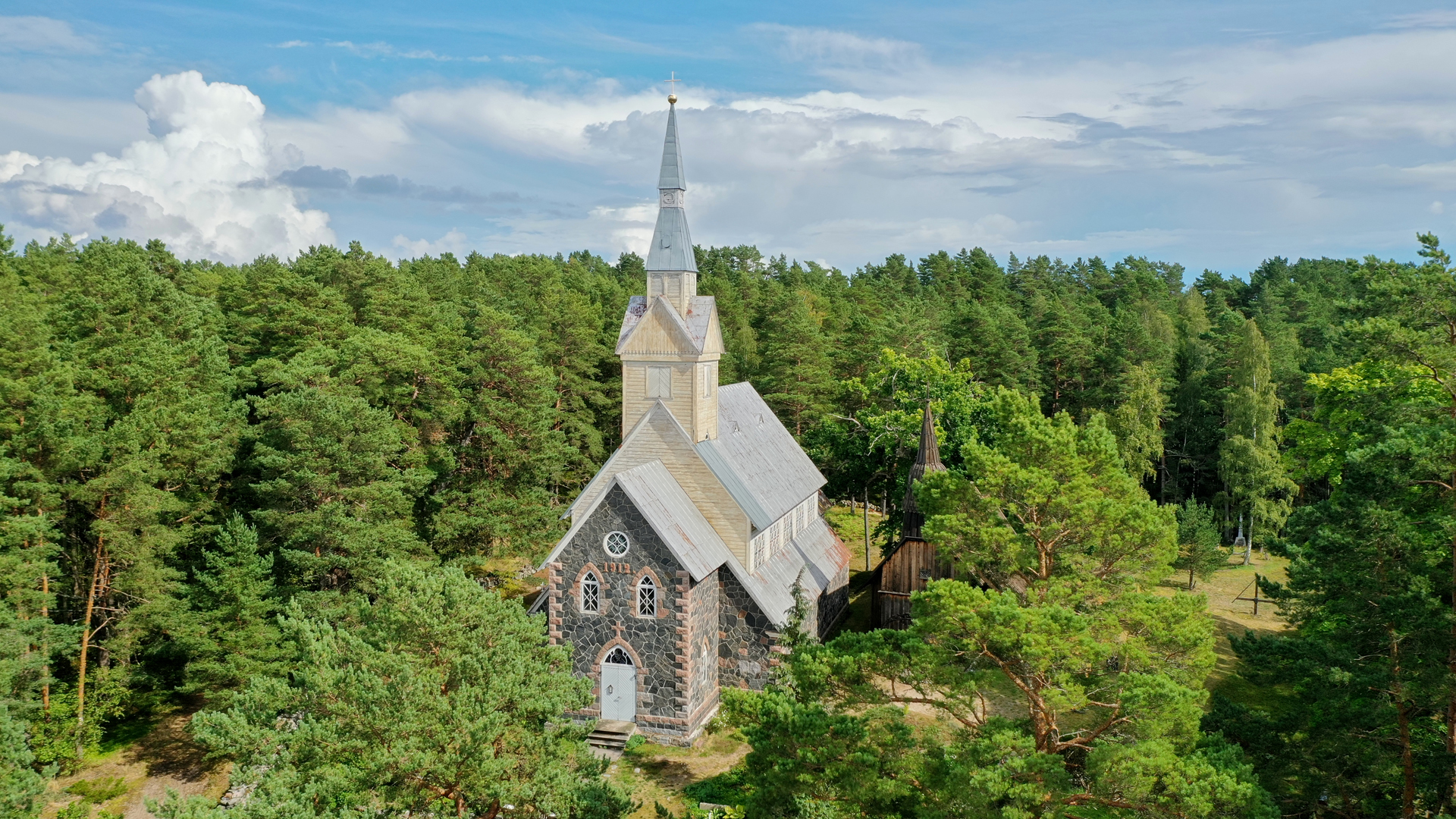
Photo author: Ruhnu vallavalitsus
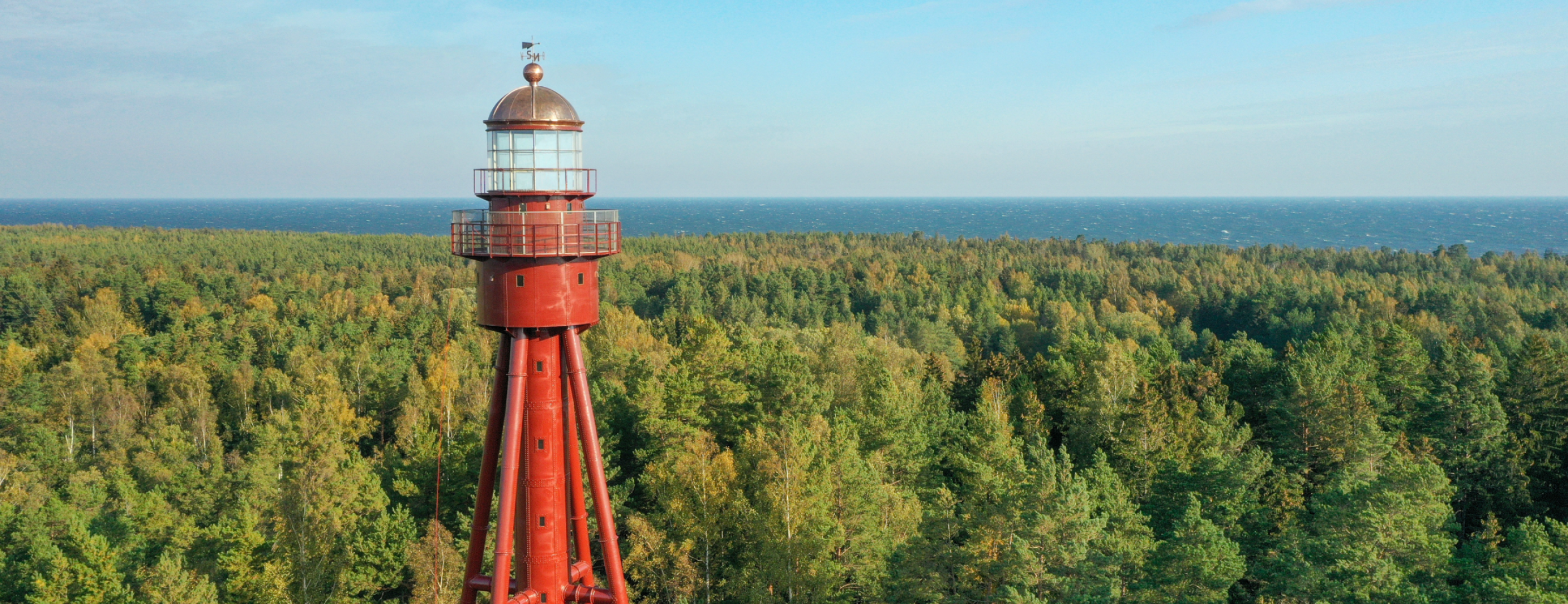
Aegna
Located 10 kilometers off the coast of Tallinn, Aegna was first mentioned in writing in 1297.
The island has been permanently settled since the mid-15th century.
Aegna also has a long military history. When World War I began, all the island's inhabitants were evacuated, and it became a military base. The railway was rebuilt for military purposes. Ship traffic to the island was restored in 1961, but only for those with special permits. The island wasn't opened to visitors until 1991. Like Naissaar, Aegna is now entirely protected for nature conservation.
What to see: You can explore the island using this digital visitor guide. You can also organize a guided tour of Aegna's main sites.
How to get to Aegna
The high-speed ferry Vegtind departs from Tallinn's Linnahall Harbor during the summer.
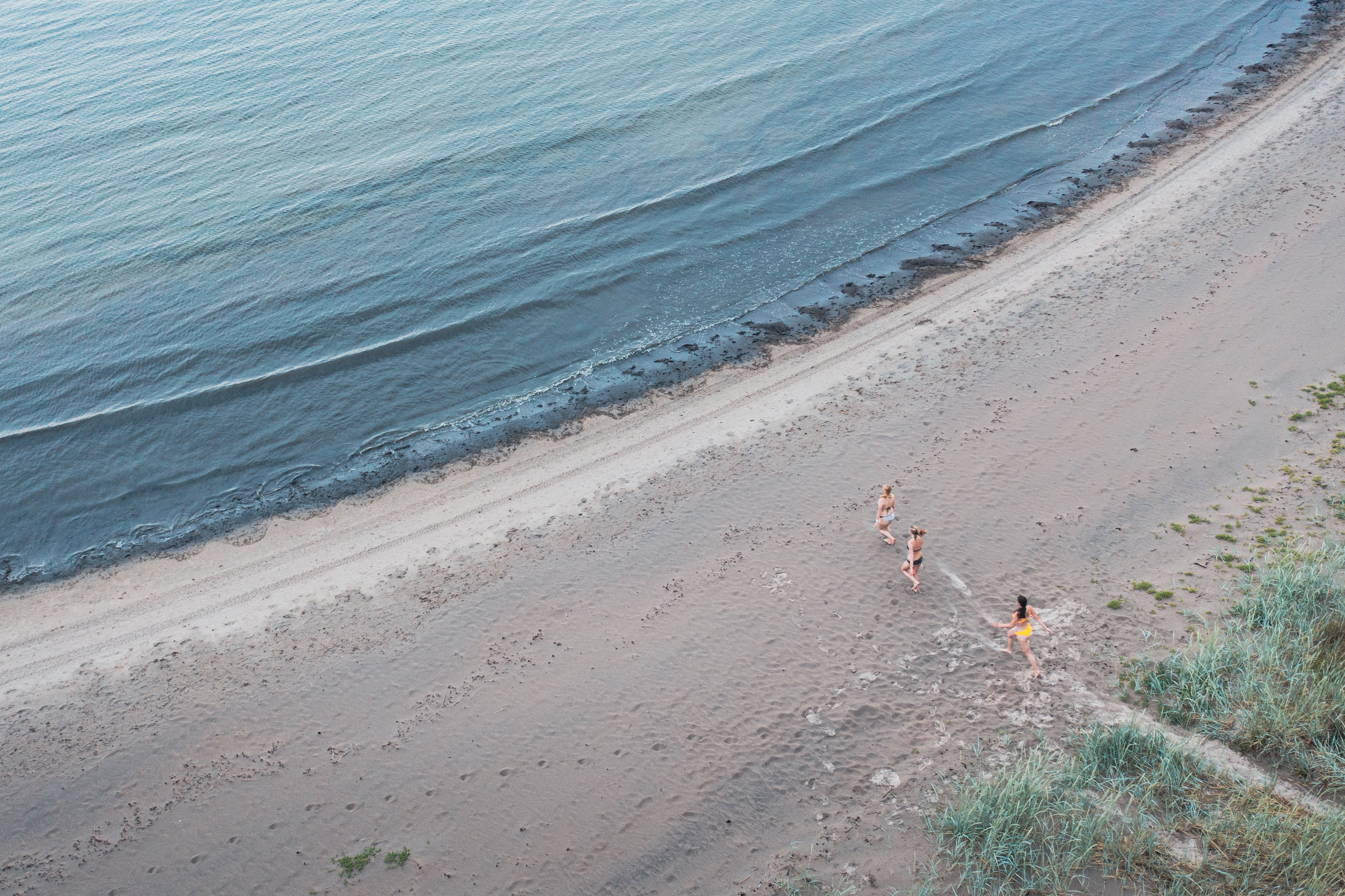
Photo author: Simo Sepp, Visit Tallinn
Naissaar
Located 10 kilometers from Tallinn, Naissaar attracts day visitors who come for its beautiful sandy beach, hiking trails, and military heritage.
When the military took control of the island in 1913, all residents were evicted. In the southern part of the island, you will find an abandoned Soviet-era mine factory and a legacy narrow-gauge railway from when the Soviet army controlled it. Nowadays, only one person lives on the island, and the whole island is a nature preserve.
What to see: Learn about the island's military history at the Naissaar War Museum, admire the simple lines of the wooden St. Mary's Church, or climb Naissaar Lighthouse.
How to get to Naissaar
A regular ferry runs from Friday to Sunday from late May to mid-September. You can also visit the island with your own boat.
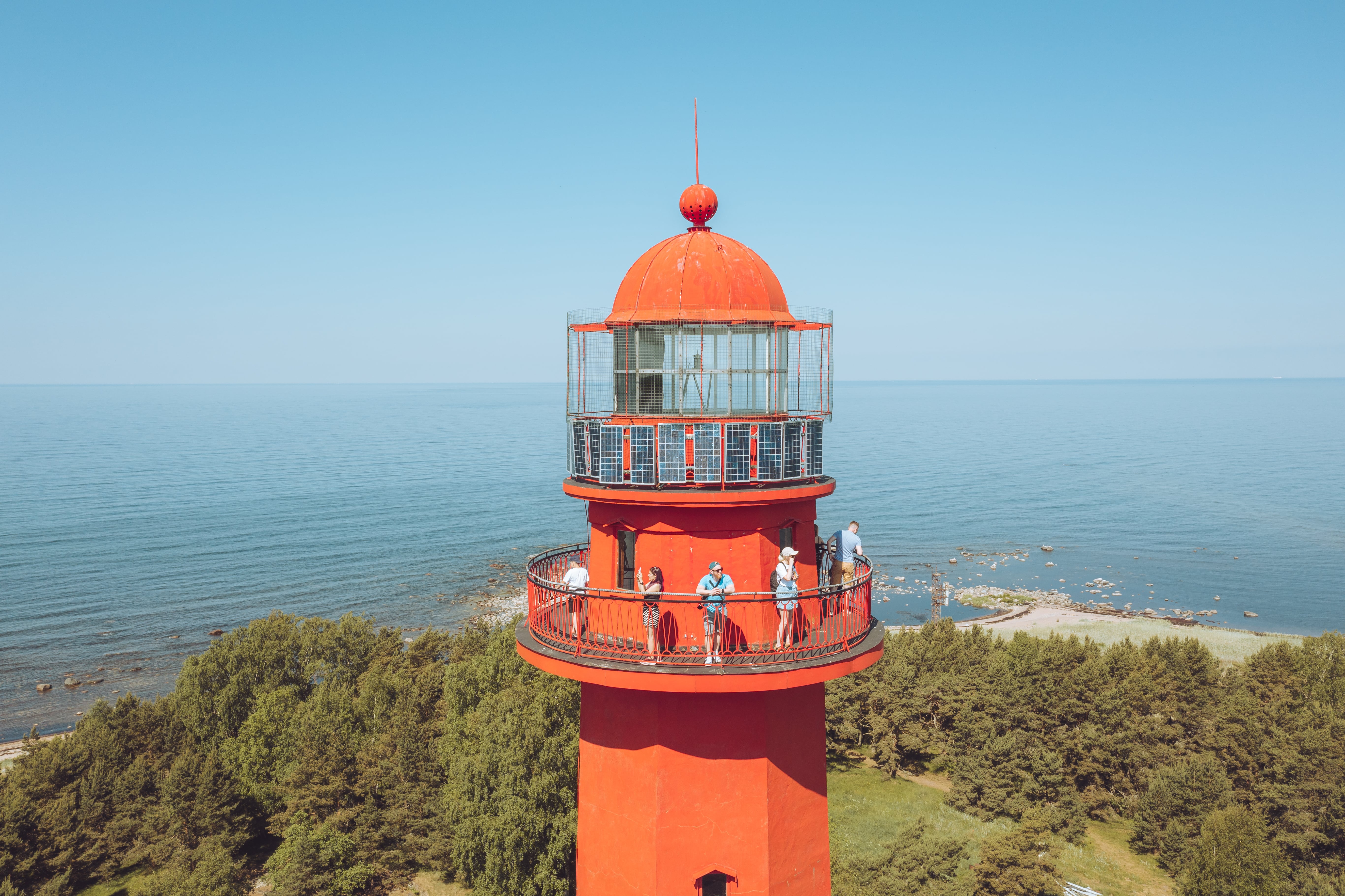
Photo author: Simo Sepp, Visit Tallinn
Prangli Island
Prangli Island has an area of 6.4 square kilometers, making it the 13th largest island in Estonia.
It lies on Estonia's northern coast and is the only island in the region that has been permanently inhabited for more than 600 years.
About 171 people live in the island’s three villages: Kelnase, Idaotsa, and Lääneotsa. The island has everything locals need: a primary school, cultural center, library, museum, church, doctor’s office, post office, and shop.
What to see: Rent a bike or take a guided tour around the island in a truck or go for a hike and sauna.
How to get there
Take the Wrangö Ferry, which runs year-round. The ferry departs from Leppneeme Harbor every day from April to October, most days several times a day. Departures are less frequent during winter.
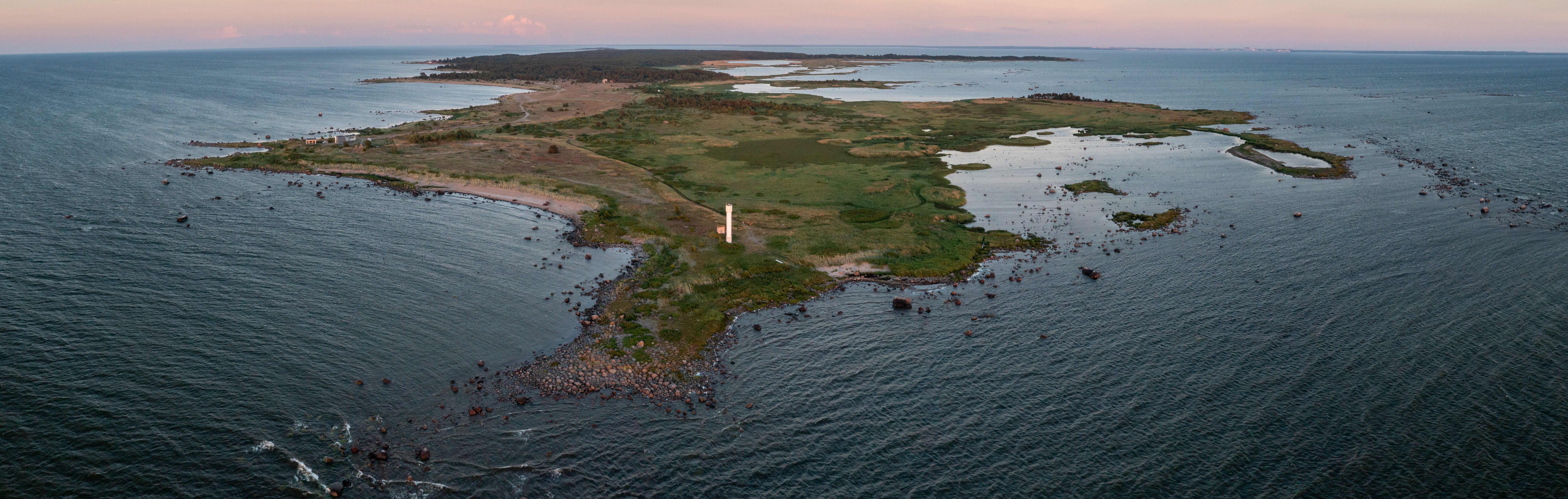
Photo author: Simo Sepp, Visit Tallinn
Piirissaar
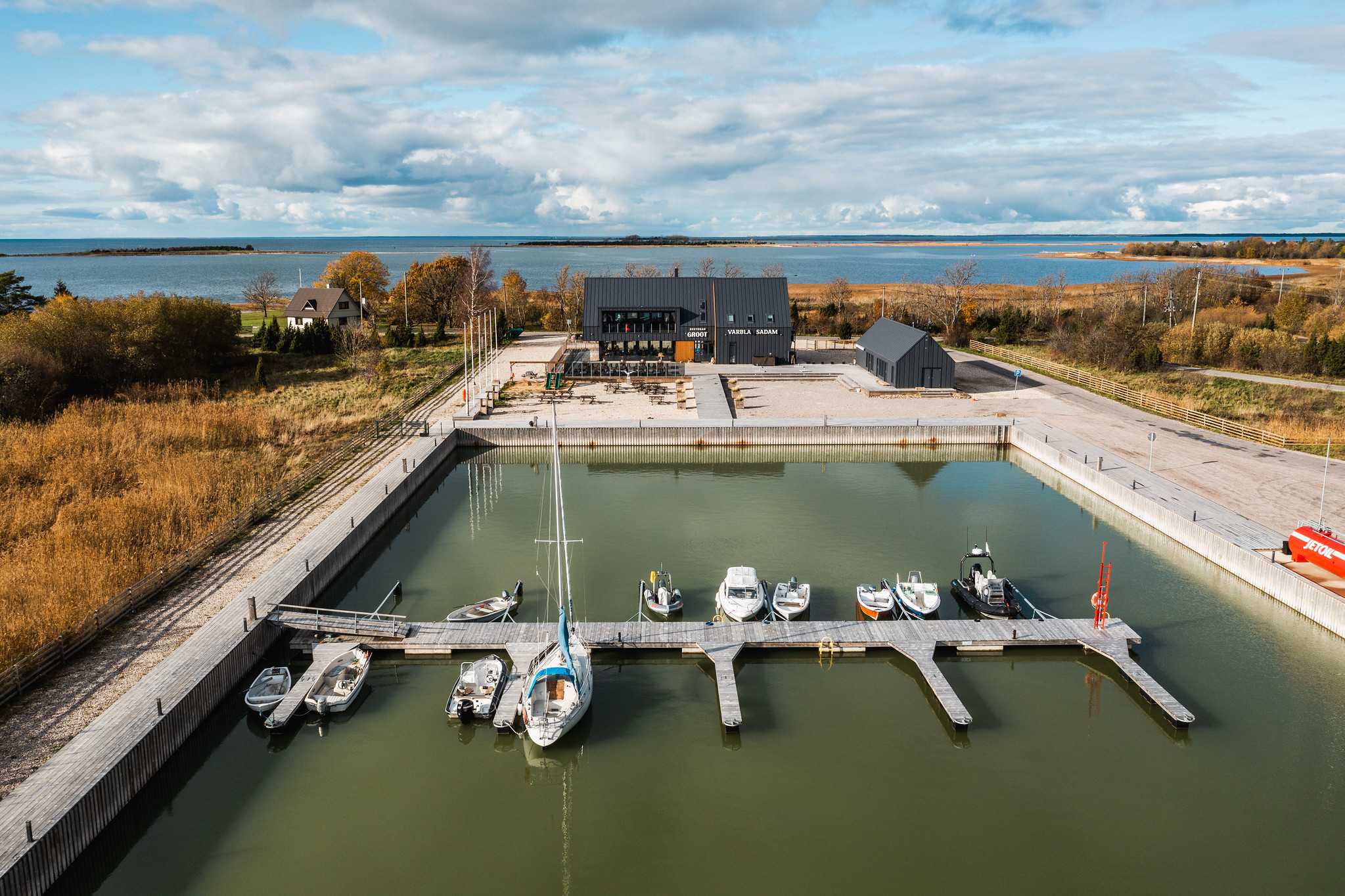
Piirissaar is not in the Baltic Sea but in Lake Peipsi, on Estonia's southeastern border.
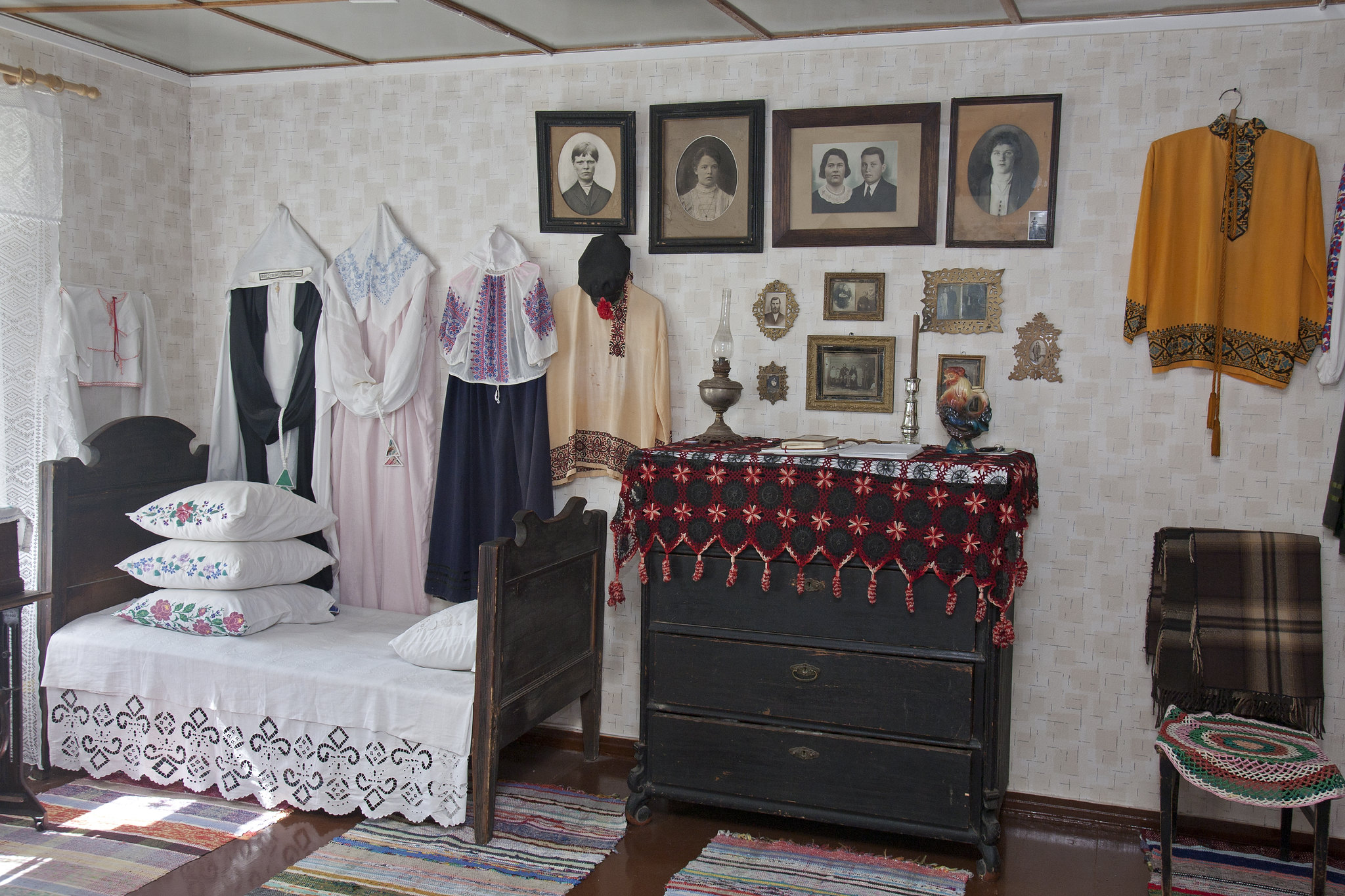
It's a particularly interesting destination because of its Old Believer community and unique culture. Piirissaar has two sanctuaries that protect rare species of frogs, birds, and plants. In Piiri village, islanders grow vegetables and onions and go fishing on the lake.
What to see: The charming Piirissaare Old Believers Museum and the Old Believer cemeteries, of which there are three in total
How to get to Piirissaar
By ferry from Laaksaare Harbor to Piirissaar
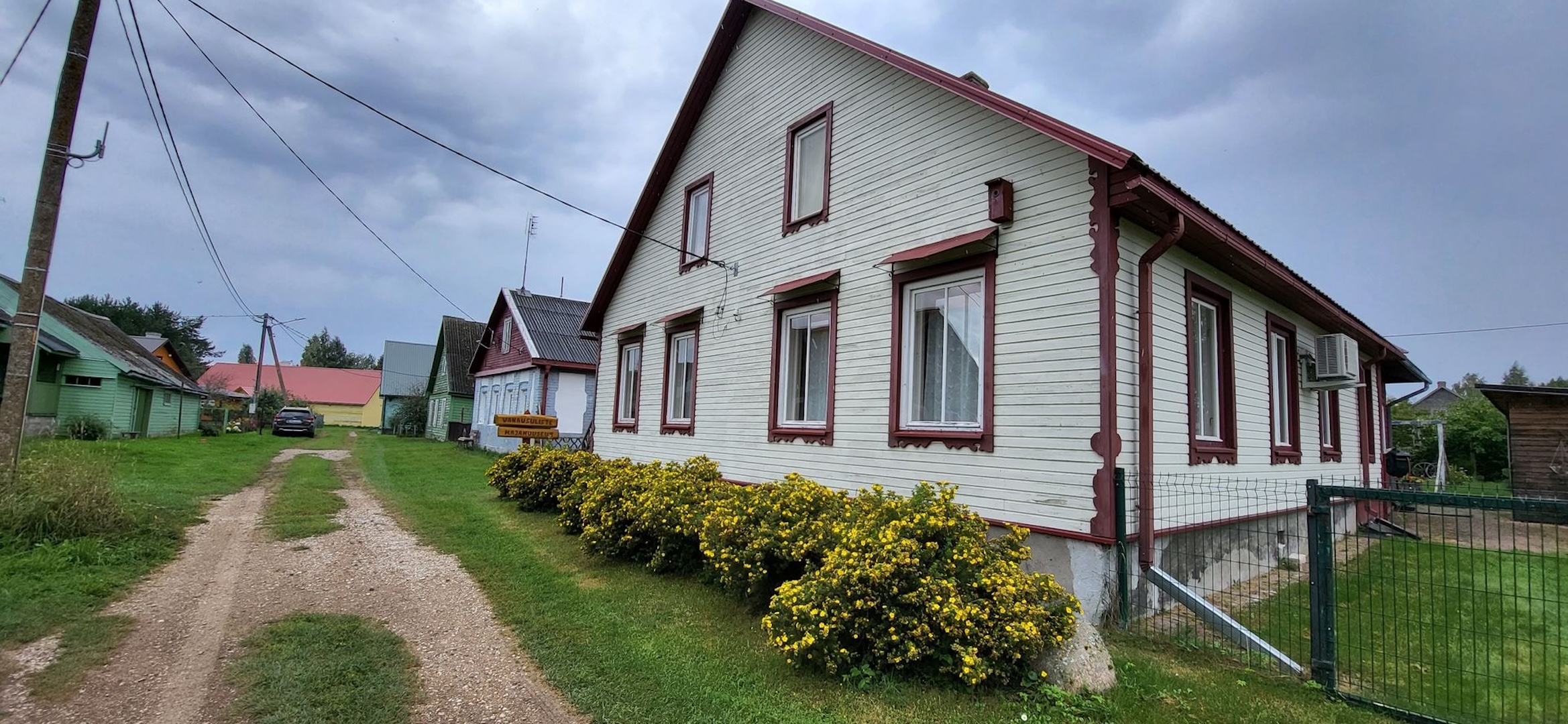
Photo author: Mariana Risthein
How to get to Estonia's islands
Where to find ferry schedules and buy tickets
FAQ
How many islands are in Estonia?
Estonia has more than 2,200 islands, most of which are tiny and uninhabited. Popular islands for tourism include Saaremaa, Hiiumaa, Muhu, Kihnu, and Vormsi. The islands showcase both traditional cultural elements and pristine natural environments.
What is the largest island in Estonia?
Saaremaa is the largest island in Estonia, with a land area of 2,600 km². The island attracts visitors who come to visit Kuressaare Castle and Vilsandi National Park, stay in spa hotels, and try traditional local cuisine.
What are the top 10 largest islands in Estonia?
The ten biggest islands in Estonia include Saaremaa, followed by Hiiumaa, Muhu, Vormsi, Kihnu, Ruhnu, Naissaar, Piirissaar, Manilaid, and Aegna.
How to get to Saaremaa?
The ferry service from Virtsu to Muhu Island allows access to Saaremaa through the connecting bridge. The summer season brings additional flight services between Tallinn and Kuressaare which shortens the travel duration.
Are there unique places to stay on Estonian islands?
Yes. Guests can select from different accommodation options which include manor houses and spa resorts and lighthouses and eco-lodges. Glamping sites and forest-based treehouses situated near bogs offer guests an exclusive chance to stay in nature.
Are there ferries to Estonian islands?
Yes. The main islands connect to the mainland through regular ferry services.

Get inspired
Last updated
21.08.2026