
What to do on a day trip to Paldiski
Only an hour by train from Tallinn, this once "forbidden city" is a perfect day trip destination for adventurous travelers.
A once bustling port city
Paldiski is a town in northwestern Estonia whose history dates back at least to the Middle Ages.
Originally, the area was known by its Swedish name Rågervik (Rogerwiek), and for centuries it was inhabited by Estonia's Coastal Swedes.
In the early 18th century, Tsar Peter the Great decided to establish a naval base there. In 1718, construction began on a major harbor and sea fortress. The location was strategically important because the bay was ice-free longer during winter than many other ports on the Baltic Sea. In 1762, Rågervik was renamed Baltisch Port (Baltic Port), from which the modern Estonian name Paldiski later evolved.
In 1870, the Paldiski–Tallinn–St. Petersburg railway line was completed, boosting trade and the harbor's development.
Erased from the map
Paldiski was one of the few Estonian cities that was completely closed from 1962 to 1994.
In 1962, a training center for the USSR Navy's nuclear submarines was established in Paldiski. In 1964, the city became a Soviet garrison city, and together with the Pakri Islands, it was closed off and classified. It didn't even appear on conventional maps at the time. Even the number of city residents (about 14,000) was a state secret.
After Estonia regained its independence and the last Russian troops left in 1994, Paldiski was reopened to the public.
Today, the city is known for its military heritage, industrial port, and factories.
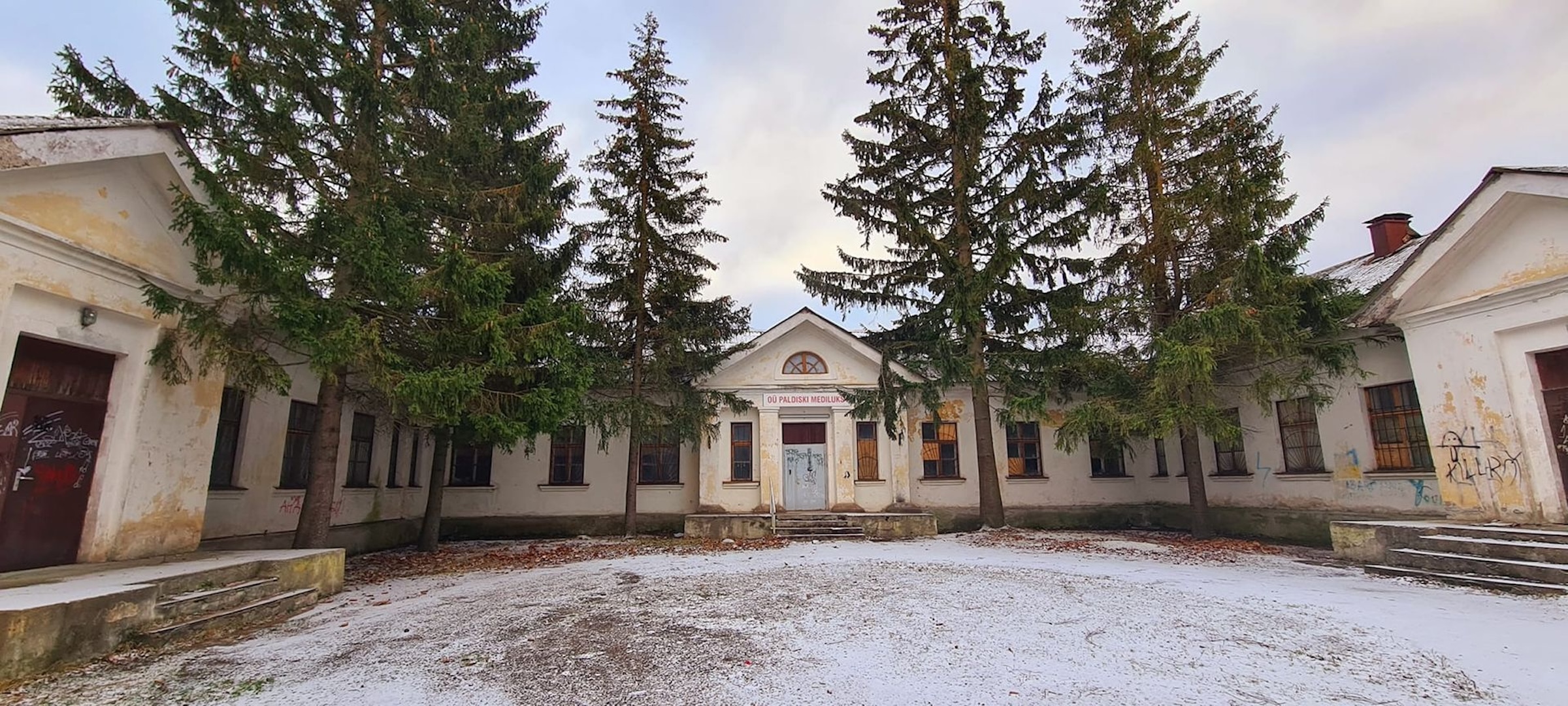
Photo author: Age Ploom
Where to spend the night on the Pakri Peninsula
What to see in & around Paldiski
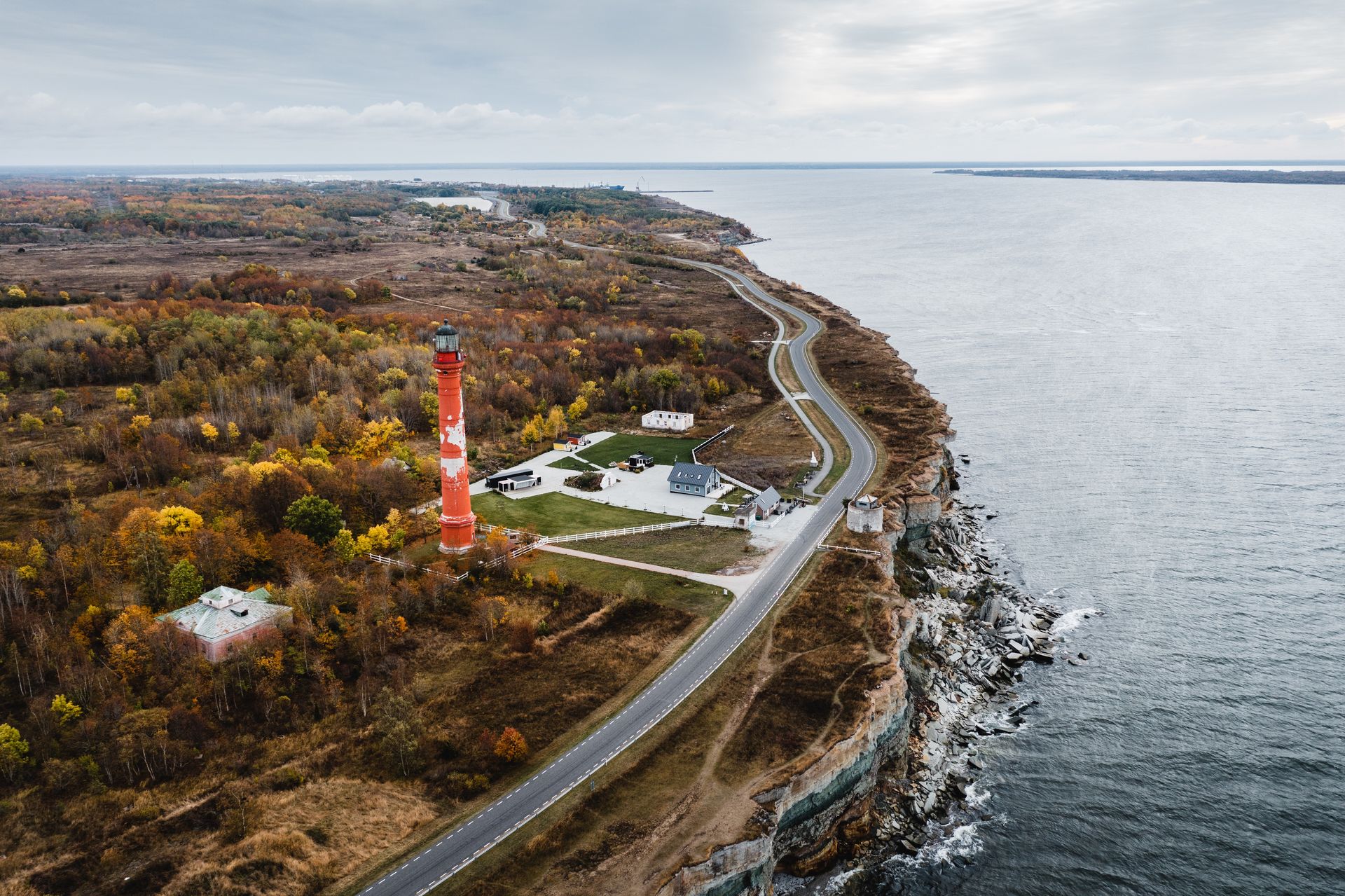
One of the main attractions of the once "secret" peninsula is Pakri Lighthouse.
It is located at the northwestern tip of the Pakri peninsula. The lighthouse stands at the edge of a limestone cliff that offers views of the deep blue sea and nearby islands.
Nearby is the Leetse limestone cliff, an ideal spot for hiking. In the spring, there are waterfalls flowing down the escarpment. Find a place to sit and enjoy the view of Lahepere Bay.
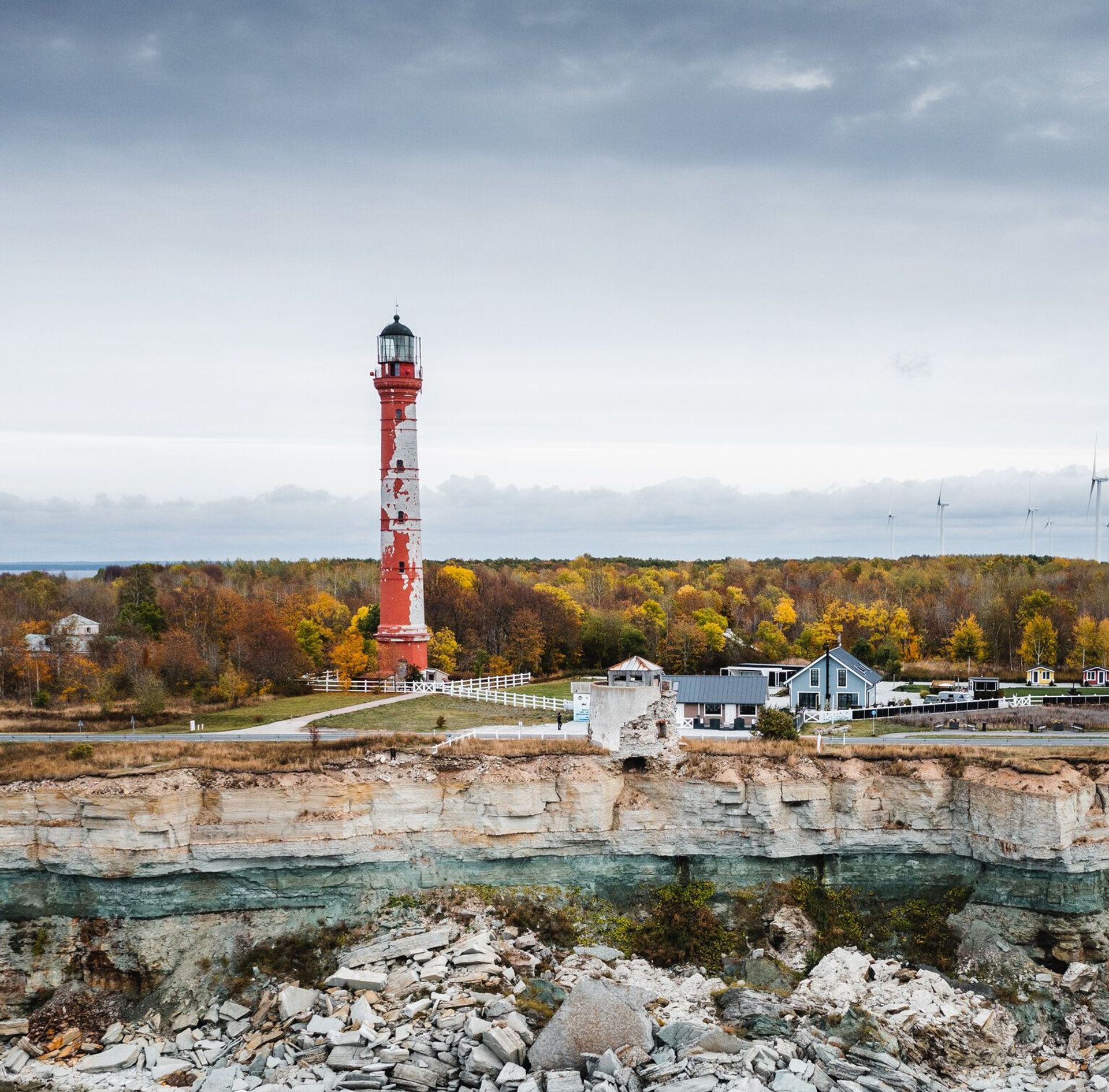
Photo author: Priidu Saart
Where to go for a dose of culture & history
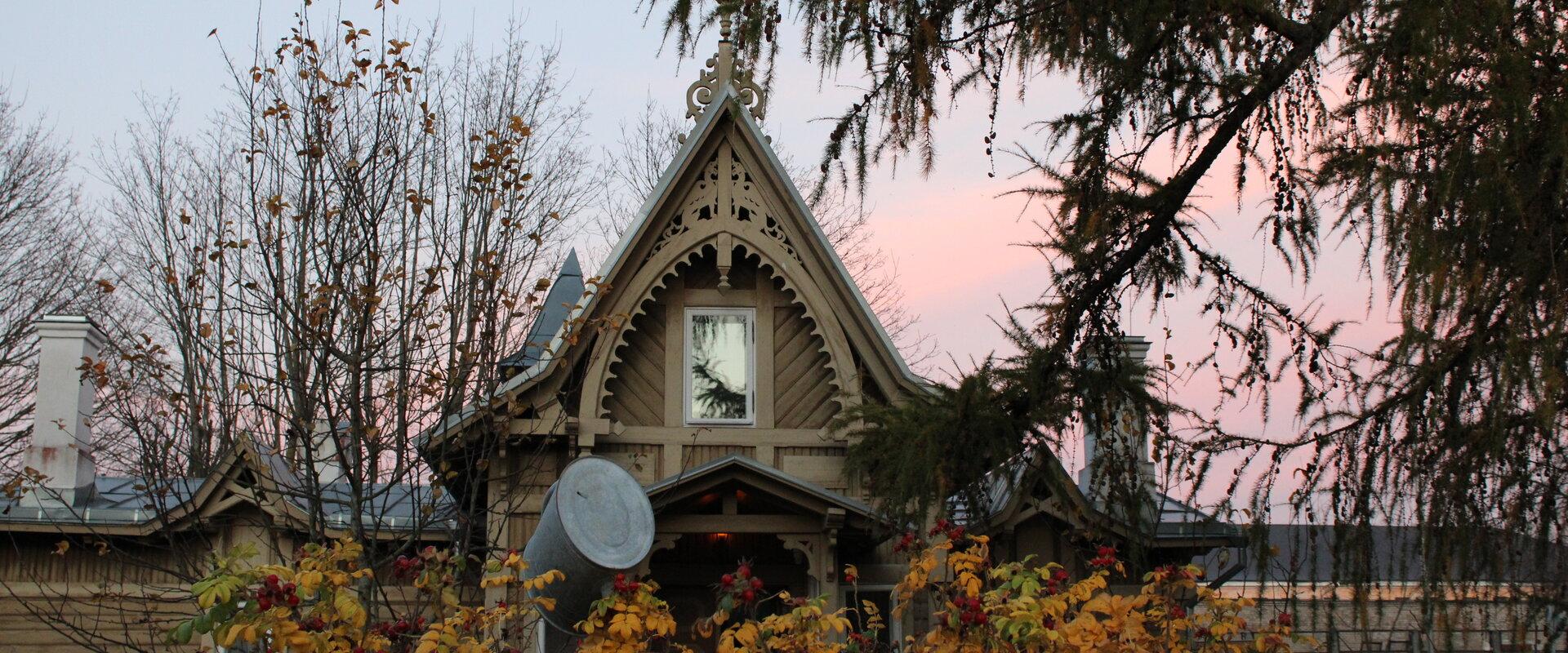
At one time, the artist Amandus Adamson worked in Paldiski.
His best-known works include the Russalka Monument in Tallinn and several sea-themed sculptures.
Paldiski was home to Adamson's summer studio. He designed and built the house himself, and it is a beautiful example of early 20th-century wooden lace architecture. Today, it houses a museum where you can learn about the artist’s life and work through his personal furniture, family photos, and documents. The walls are decorated with stencil paintings, and the garden is adorned with a mighty larch planted by the artist himself.
In the summer, art workshops are held at the museum, and those interested can order a guided tour. Dogs are also welcome at this museum!
In the adjacent building, there is a seasonal gallery with traveling exhibitions, and you can rent bicycles on site to explore Paldiski on your own.
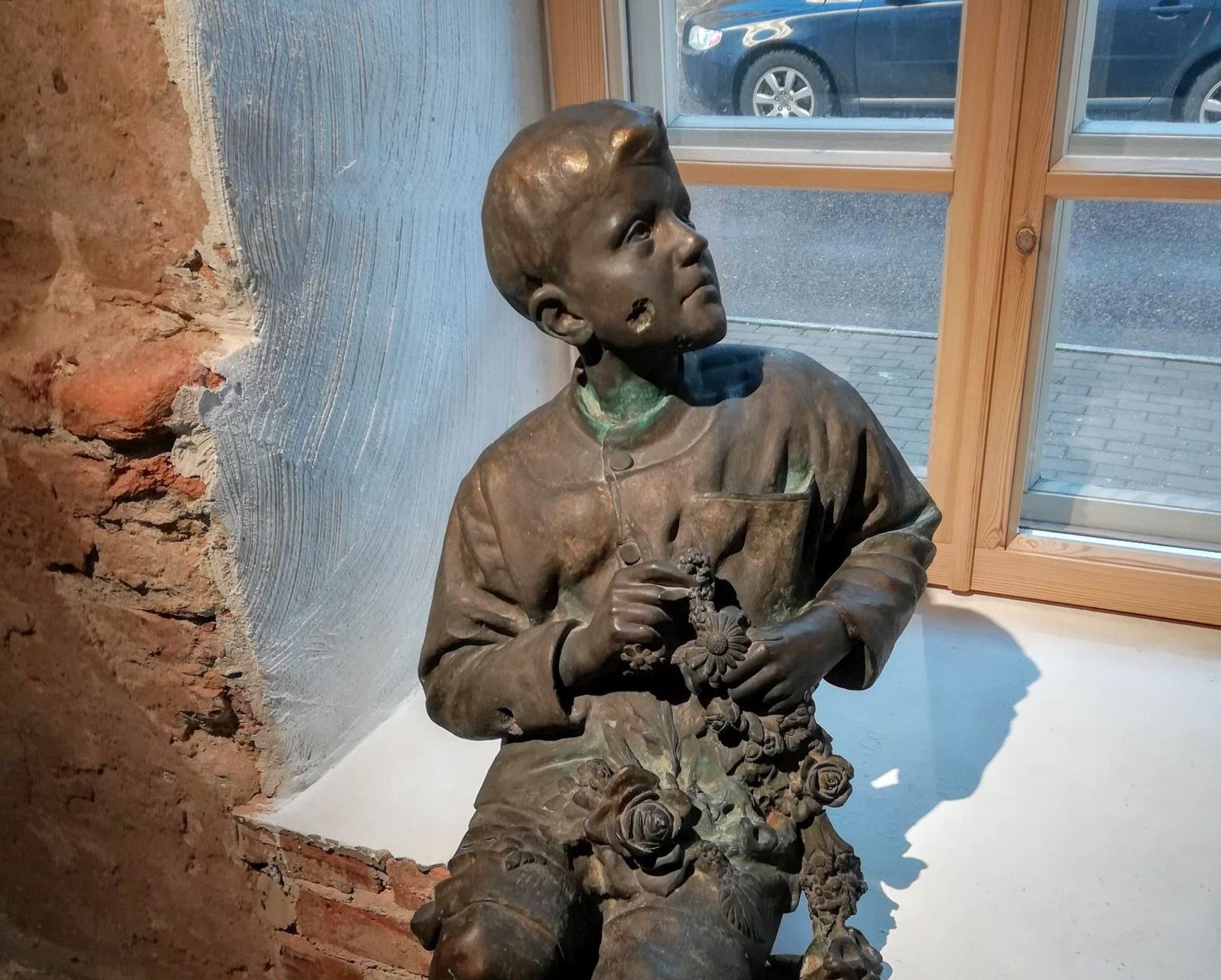
Photo author: Tiina Laanejärv
Peetri Toll Tavern and the local history museum are located in the historic customs house.
The building dates back to when Peter I founded the military port here – this is where merchants declared their goods. Today, it is a unique restaurant with Russian-inspired food and an Estonian and Baltic-German interior. The menu includes classics such as borscht, dumplings, blinis, cabbage and onion pies and other homemade dishes.
On the second floor of the tavern, there is a small museum where you can learn more about the history of Paldiski: see old city views, photos of the sea fortress, historical artifacts, and weapons.
Paldiski's most important churches
Paldiski is also home to the Orthodox Church of St. George, built in 1784–1787 and a typical example of a classicist stone church with Baroque elements.
But its history goes back even further. In 1721, the first year of the Paldiski Apostolic Orthodox Church, a tent church was built here for soldiers and workers sent by Peter the Great. A wooden church was built in place of the tent church in 1724, and in 1728, the new church was consecrated in honor of the Holy Great Martyr George.
In 1842, the Nikolai Church, one of the city's most important historical landmarks, was completed. The classicist-style building was used by the Soviet army, first turning the church into a cultural center and later into a warehouse. Despite its difficult past, the church has managed to survive.
Explore Paldiski with a guide
Learn more about this fascinating city with help from a local!
Get inspired
Last updated
30.06.2026