
Tips for sustainable travel in Estonia
Look for quality labels, buy local, and get off the beaten path: here are the best ways to make your trip to Estonia as green as possible.
The eco-friendly mindset has long been part of the Estonian ethos.
Just look at World Cleanup Day. This country of 1.3 million convinced more than 18 million people to come together to clean up the planet and has been doing so for over ten years.
Although Estonia's population may be small, thousands of people are dedicated to developing and maintaining sustainable tourism destinations throughout the country. Sustainable tourism is the key to ensuring that generations to come will still be able to enjoy the natural world and local cultures.
If you want to join the sustainability movement while traveling around Estonia, we've got you covered. These tips will show you how to make sure future generations can enjoy the experience of travel as much as you do today.
Spend money locally.
The easiest way to spend local? Look at your dining options.
Many restaurants and cafes specialize in local products, such as Estonian dairy and fish from Lake Peipsi. You can also look for local options at the grocery store or market, such as an Estonian pirukas, a flaky pastry filled with meat, vegetables, cheese, or fruit that makes a delicious handheld snack while on the move.
Local, seasonal ingredients also feature prominently in the Estonian restaurant scene. Check out the MICHELIN Guide's Green Star recommendations for the most sustainable, eco-friendly dining options in the country. There are now three restaurants in Estonia that meet the Guide's demanding criteria.
Food isn't the only place to spend locally. Seek out Estonian designers and handicrafts for your souvenirs. Estonia has a rich history of fiber arts, woodworking, and pottery. Plus, you can find Estonian-made cosmetics, soaps, and candles. Traditional arts and the natural environment have also inspired fashion designers in recent years. There are even local designers dedicated to sustainable fashion, such as Reet Aus, whose upcycled collections are made from post-production leftovers.
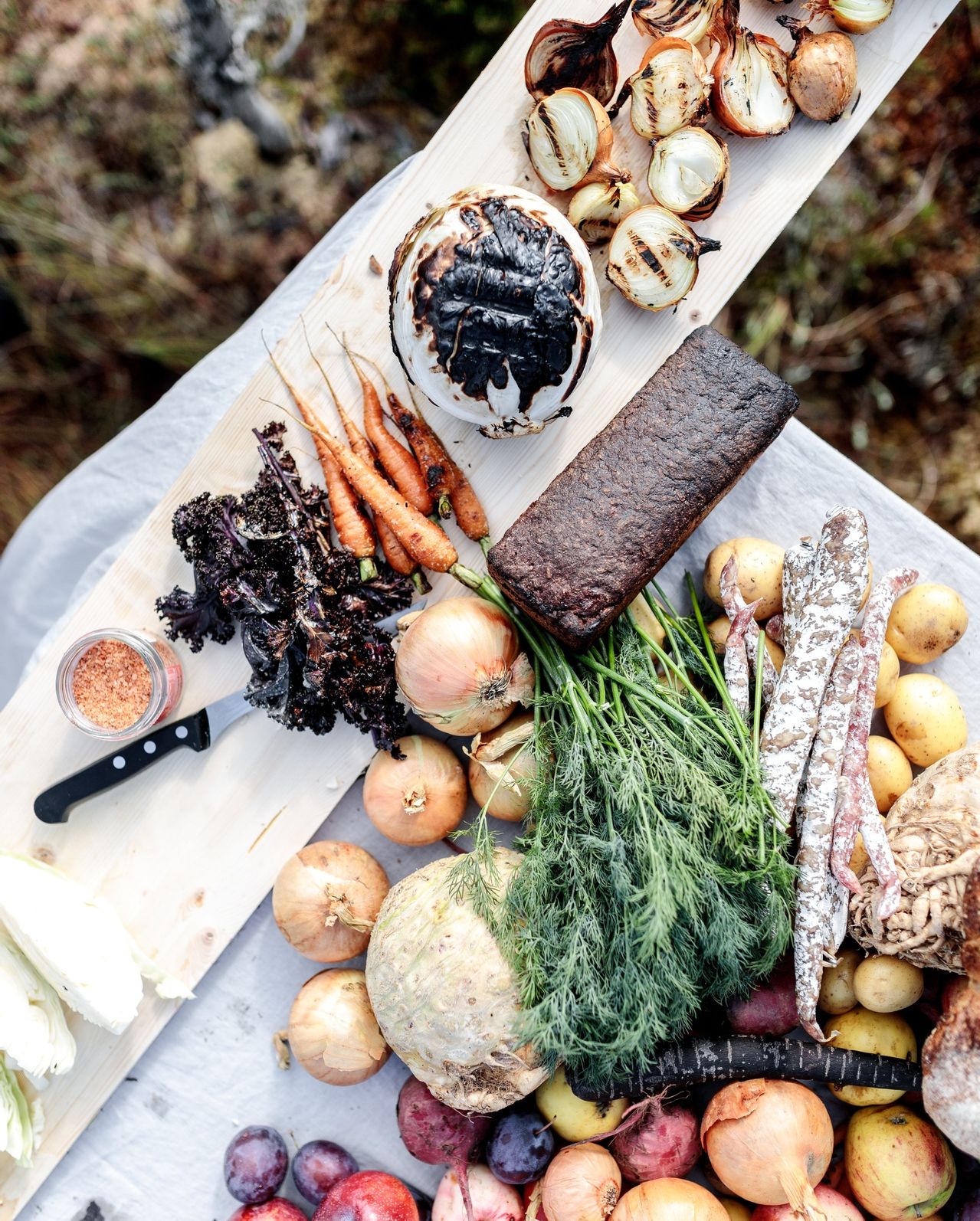
Photo author: Renee Altrov
Estonia's MICHELIN Green Star restaurants

Places to find local designs and handcrafted souvenirs
Look out for quality labels.
Green Key is an international quality label for tourism entrepreneurs.
Green Key is an international eco-label for tourism companies and has been the leading standard for recognizing sustainable tourism operations since 1994. The goal of Green Key is to achieve a balance of quality, convenience, and environmentally friendly practices.
Companies that have joined the Green Key in Estonia set environmental goals and meet the mandatory criteria for the label, including those related to electricity, heating, water, and waste. All Green Key-labelled establishments are reviewed once a year.
In 2025, there were 85 Green Key label holders in Estonia — 56 are accommodation establishments, 13 are catering establishments, nine are attractions, and seven are conference centers.
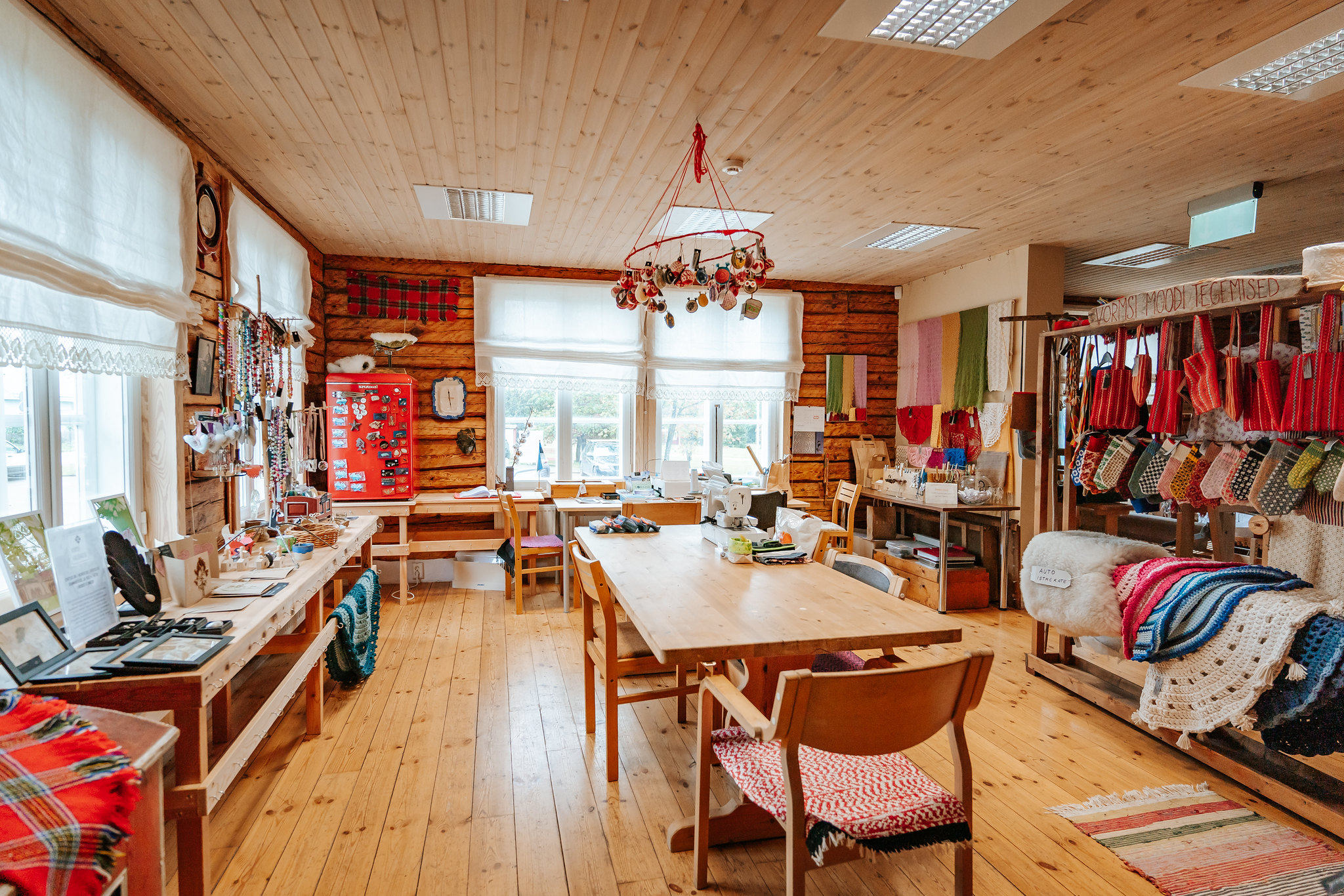
There are also a number of food labels you can look for as you travel the country. For example, on Saaremaa, look for EHTNE. This label is given to foods and culinary products made from raw ingredients grown on Saaremaa or taken from the Baltic Sea.

Photo author: Priidu Saart

Try your hand at foraging.
Foraging is a national pastime in Estonia, and the forests are full of tasty treasures.
Depending on the season, you can find mushrooms, wild garlic, blueberries, cranberries, and cowberries. If you don't know where to go, go with a guide — their expert knowledge can keep you from picking the wrong thing.
After you fill up a basket in the forest, head to a local market for the rest of your ingredients. Hearty black bread is an Estonian staple; it's the perfect complement to any home-cooked meal. You can also try moose or wild boar sausage, smoked fish and cheese, pickles and pickled pumpkin, and kohuke, a chocolate-covered dessert made from kohupiim.
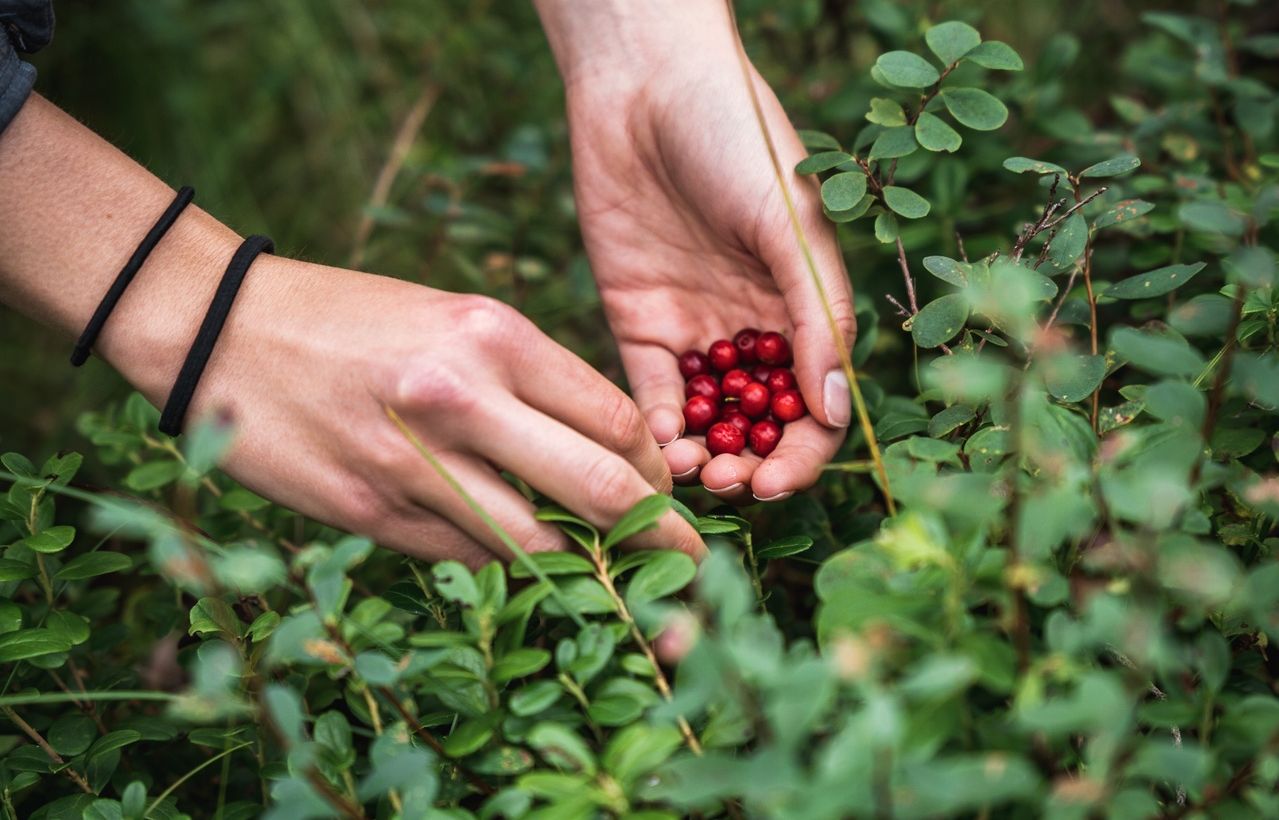
Photo author: Priidu Saart
Guided foraging tours around Estonia
Visit Green Destinations.
Estonia participates in the international Green Destinations program.
For several years in a row, Green Destinations has selected several Estonian locations for their TOP 100 list of sustainable destinations. In 2025, success stories from Hiiumaa, Saaremaa, Järvamaa, Lahemaa, Pärnu, Rakvere, and Tartu were featured on the list.
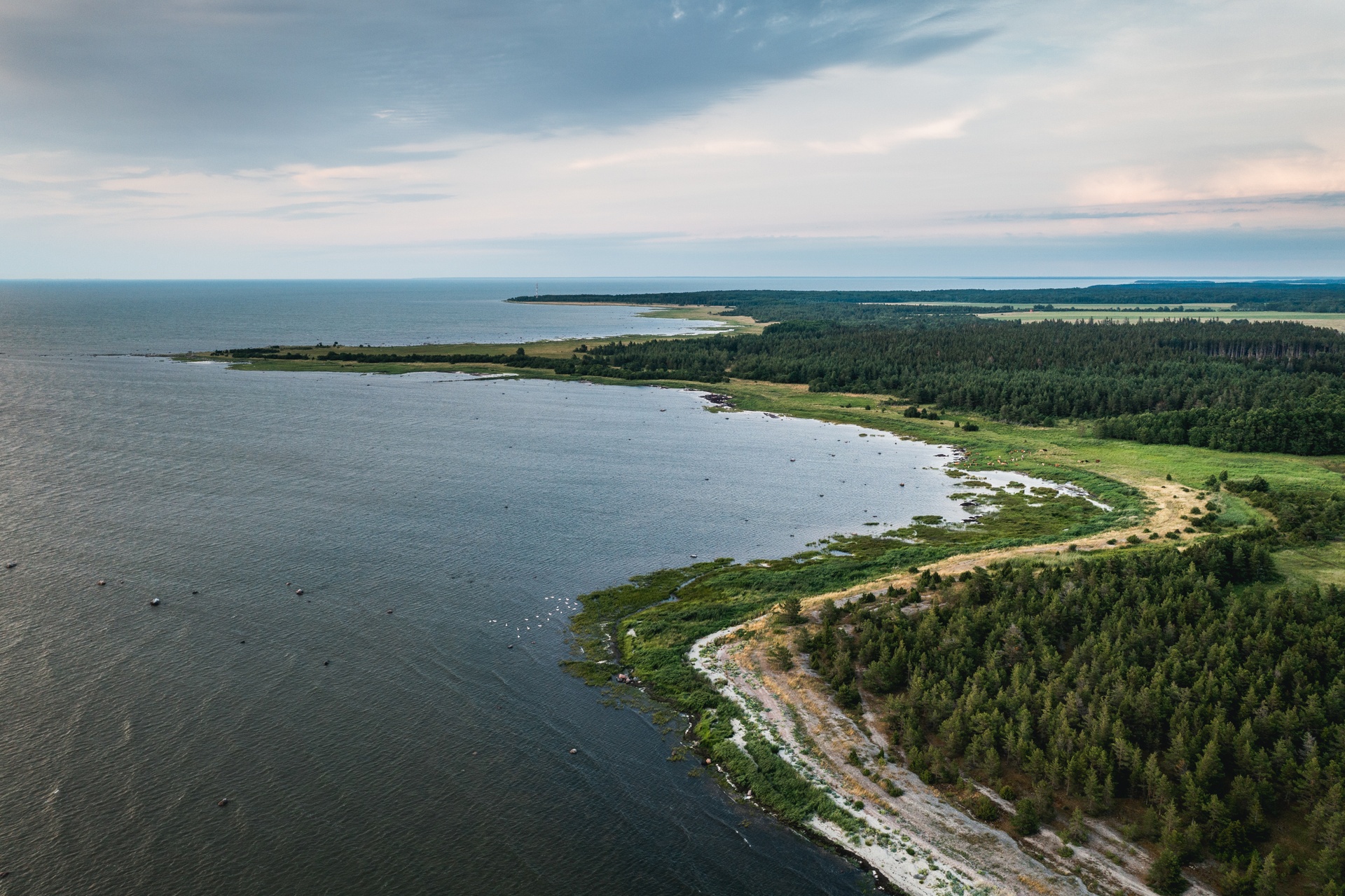
Photo author: Priidu Saaart
Explore Estonia's Green Destinations
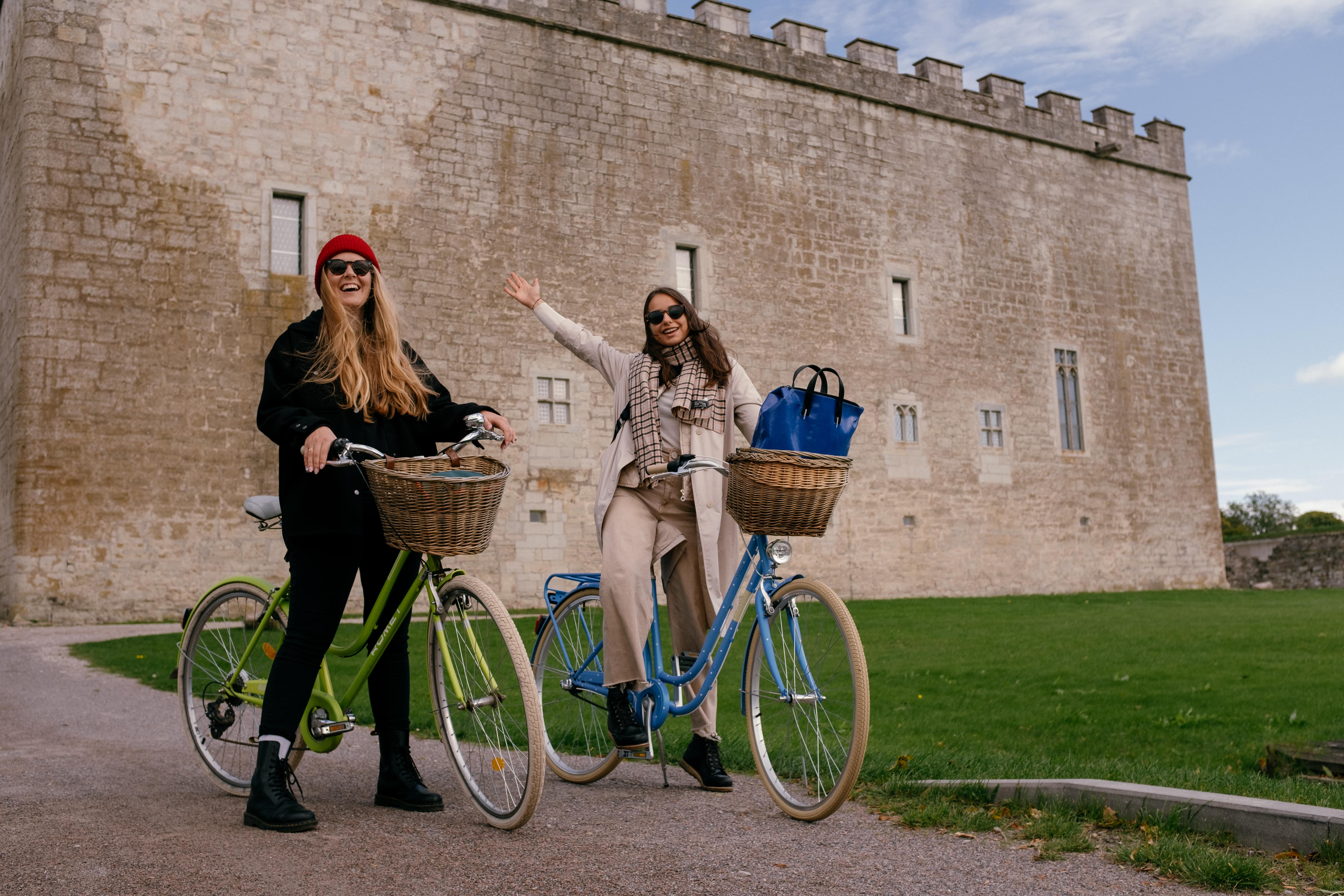
Travel slow and get off the beaten path.
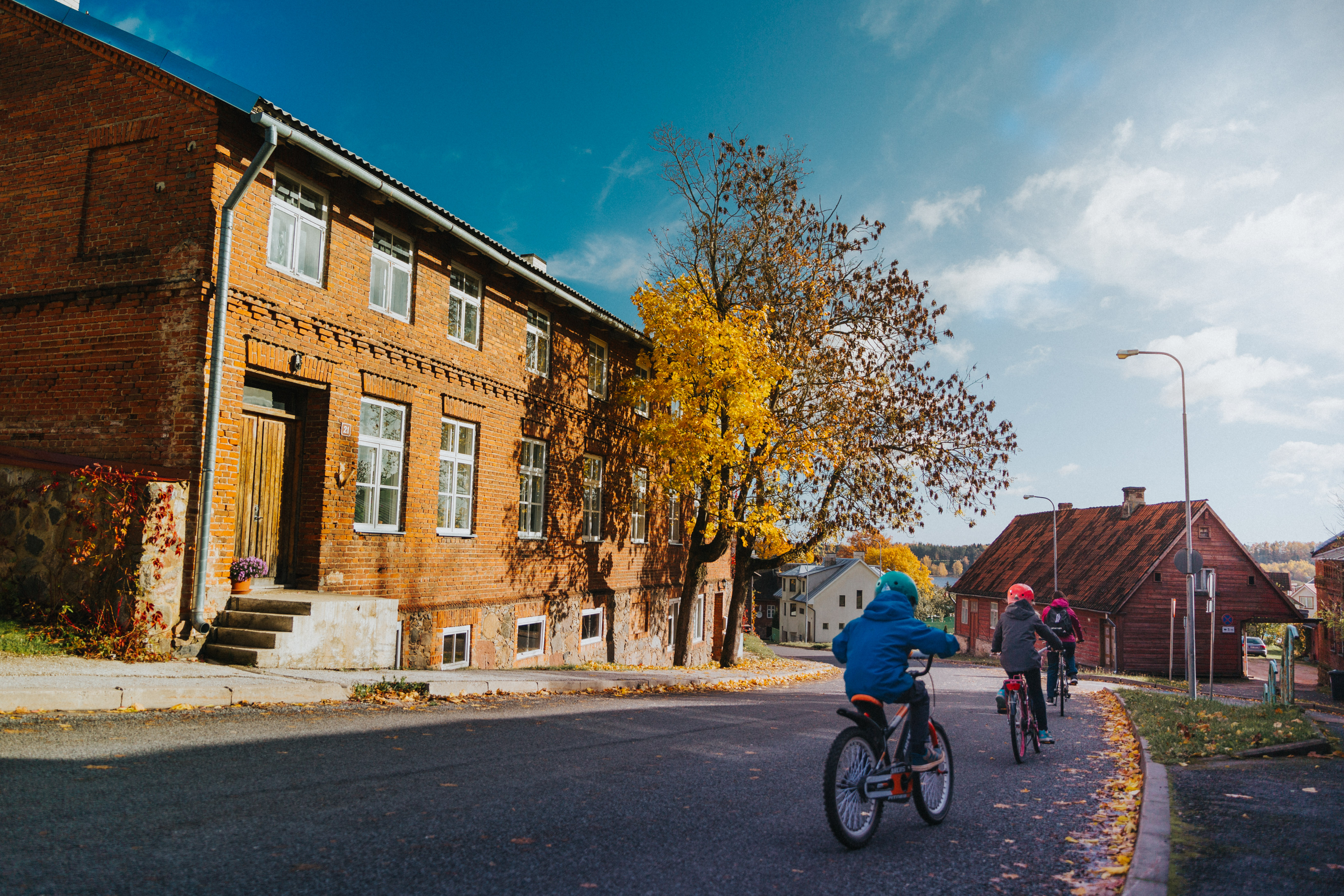
Estonia's compact cities are best enjoyed on foot. Walking tours can help you get a feel for different neighborhoods. Cities aren't the only places for walking; Estonia is also home to thousands of kilometers of well-marked hiking trails. You can also try out sections of longer trails, such as the Baltic Coastal Hiking Route or the Camino Estonia, a pilgrimage route connecting Estonia to the Camino Santiago in Spain.
High tourist volumes can stress local resources. By staying longer in a place and away from the typical tourist attractions, you'll be practicing more sustainable tourism.
Simply by visiting Estonia, you've already gone off the beaten path.
But once you're here, it's easy to lose track of time and spend days walking deserted beaches, hiking through untouched forests with only the birds for company, or poking around quaint villages without another tourist in sight.
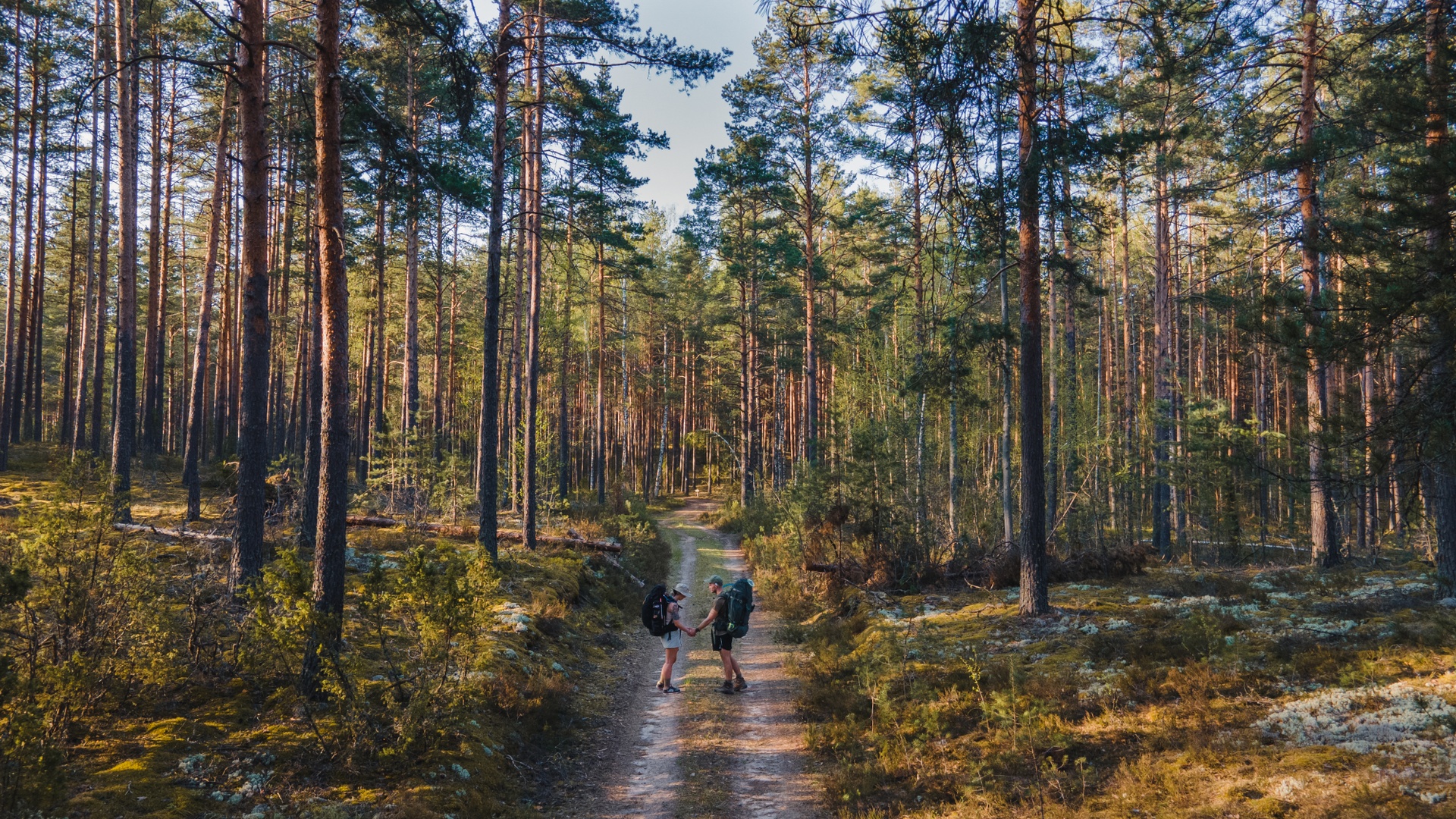
Photo author: Hans Markus Antson


Get inspired
Last updated
29.04.2026