
A tour of regional Estonian cuisine
Every corner of Estonia has its own culinary traditions based on local ingredients harvested from forests, fields, lakes, rivers, and the Baltic Sea.
Food traditions travel quickly in Estonia.
Yet you'll find typical dishes vary by region.
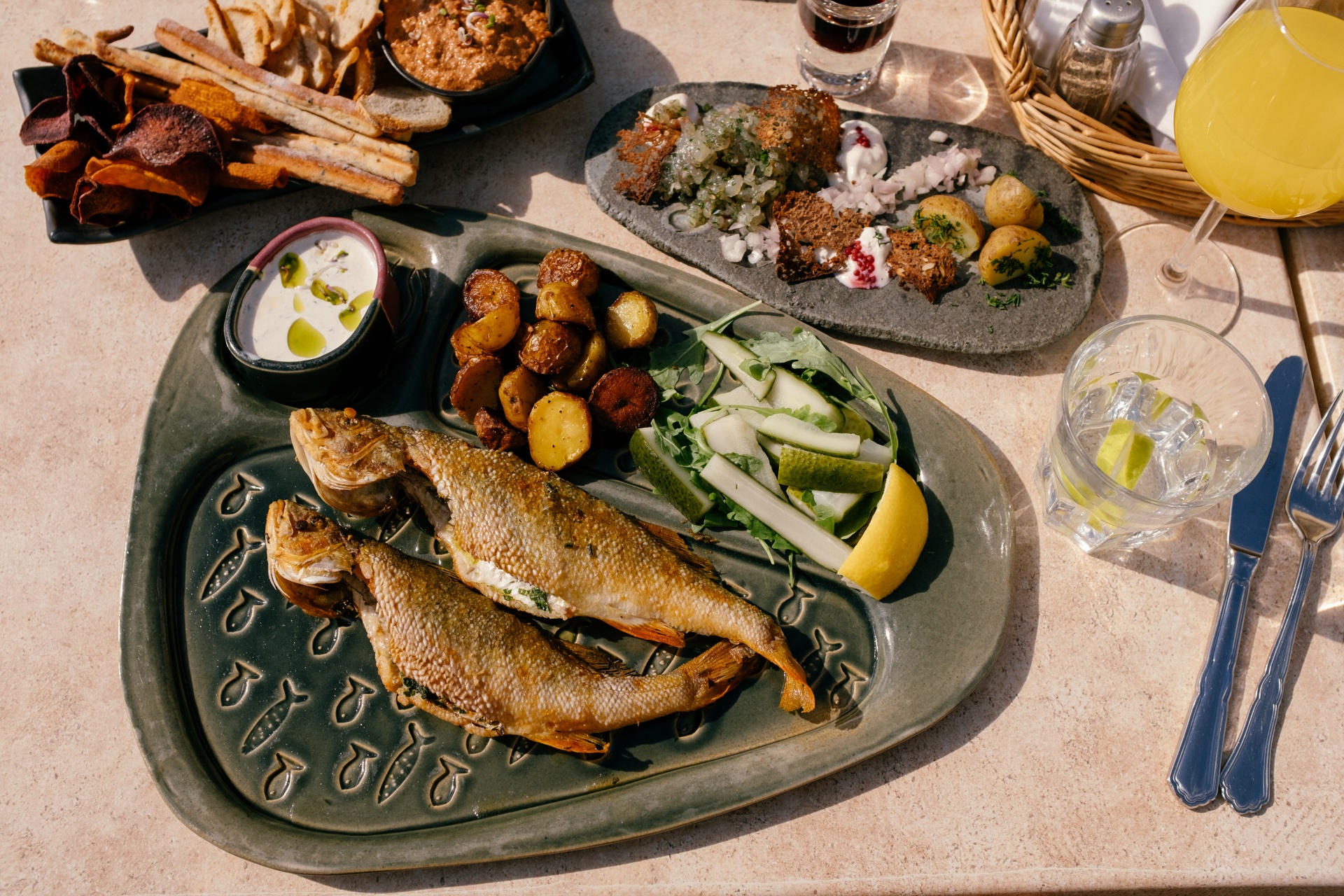
For example, fish in all forms — smoked, grilled, pickled, or fried — can be found almost everywhere around the country, thanks to a lengthy coastline and extensive network of rivers and lakes. However, Estonian island food often features the bounty of the Baltic Sea, while freshwater fish from Lake Peipsi are more often found on plates in South Estonia.
Read on to find what to eat (and where to eat it) in every region of the country. In 2026, make sure to try something from Jõgeva County, the Estonian Food Region of the Year.
In and around Tallinn

Estonian cuisine has changed enormously since the Middle Ages, though some of the best flavors have been preserved in Tallinn's magical Old Town.
Here are a few suggestions for taste-based time travel:
- Marzipan has been made in Estonia since the Middle Ages. Stop by Maiasmokk Cafe to taste this almond and powdered sugar confection.
- Olde Hansa's menu includes dishes featuring bear and wild game prepared according to 15th-century recipes.
- Since 1476, Town Hall Pharmacy has produced and sold claret — a strong drink made of red wine and spices.
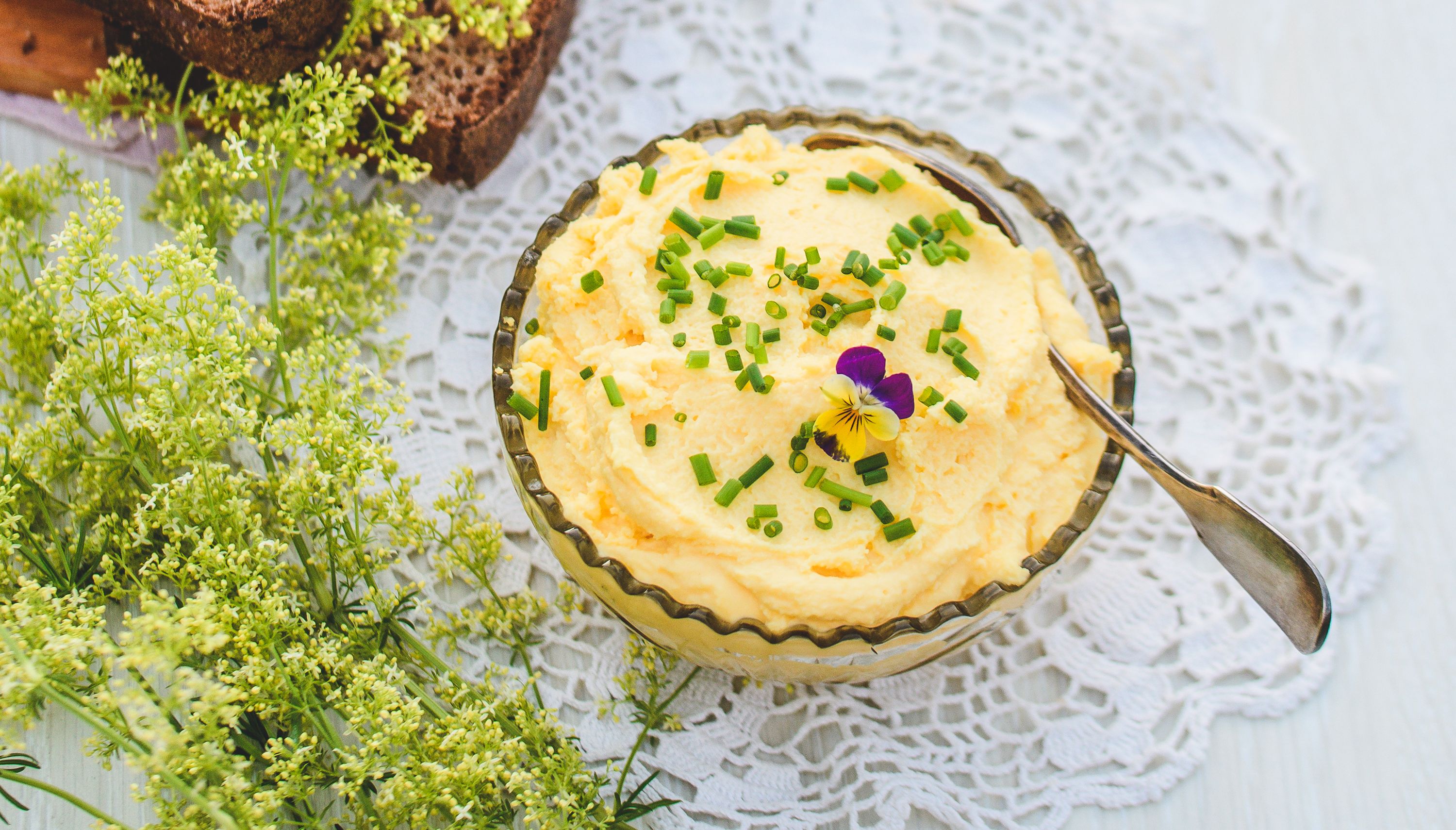
Another quintessential Estonian product is also produced near Tallinn: Kalev chocolates.
Kalev chocolates have historical ties to Maiasmokk Cafe, though they are now made in a large factory about twenty minutes outside of Tallinn. These iconic sweets can be found at grocery stores and factory shops around the country. It's an easy way to take a taste of Estonia home with you!
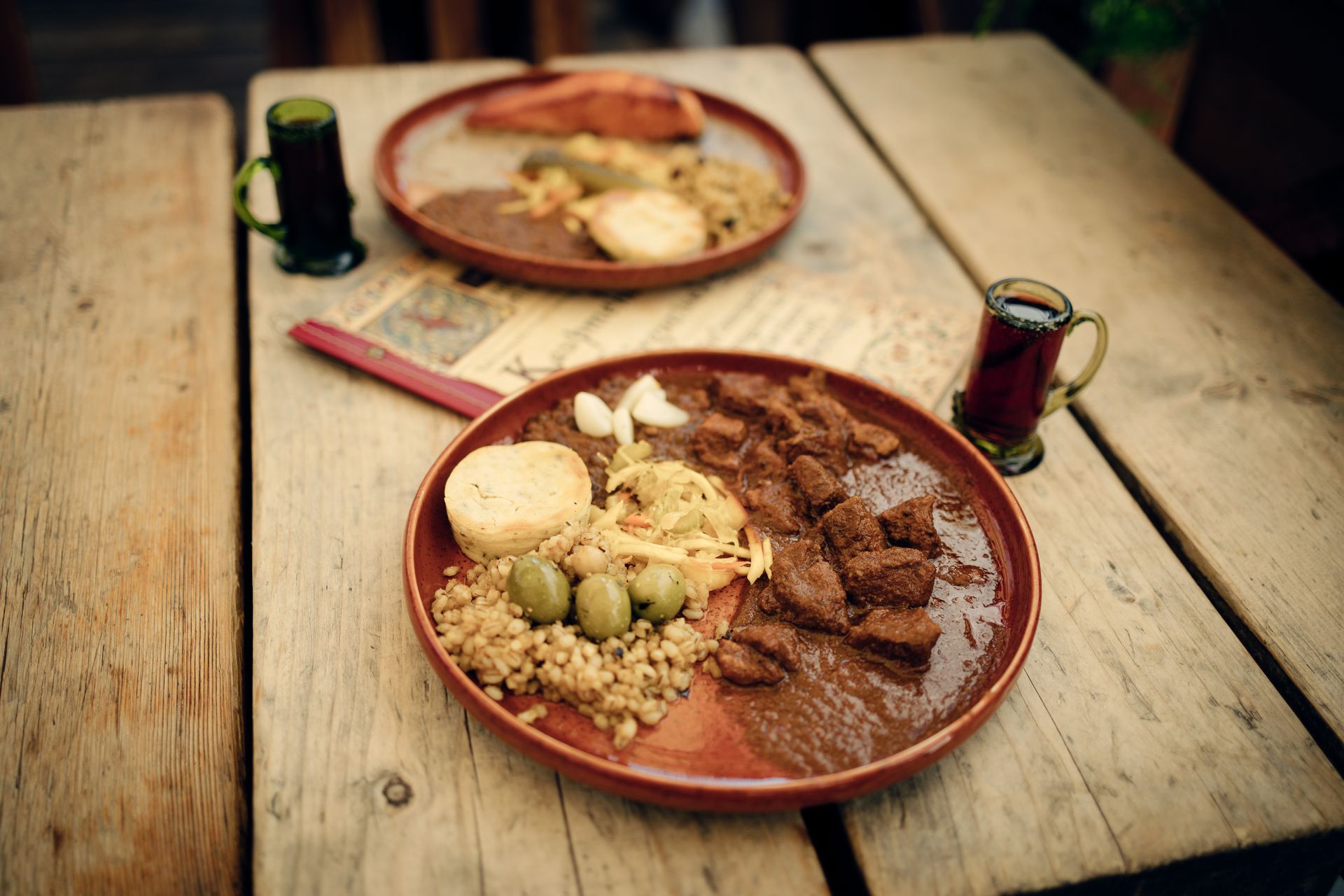
Photo author: Karl Markus Antson
South Estonia
The area south of Viljandi is known as Mulgimaa. The region's fertile soil made local farmers relatively wealthy, and their hearty cuisine has spread throughout Estonia.
- Mulgi puder is a thick stew made from potatoes and barley and topped with pork. It has been added to UNESCO's List of Intangible Cultural Heritage.
The Old Believer communities along Lake Peipsi have food traditions centered around onions and fish, while traditional Seto food isn't as meat-heavy as typical Estonian food. Tartu is a good base for exploring this area.
- While traveling the Onion Road, stop at the Samovar House for an onion pie guaranteed to make you reconsider this humble vegetable.
- The Old Believers' samovar tea-drinking tradition has been placed on Estonia's list of intangible cultural heritage.
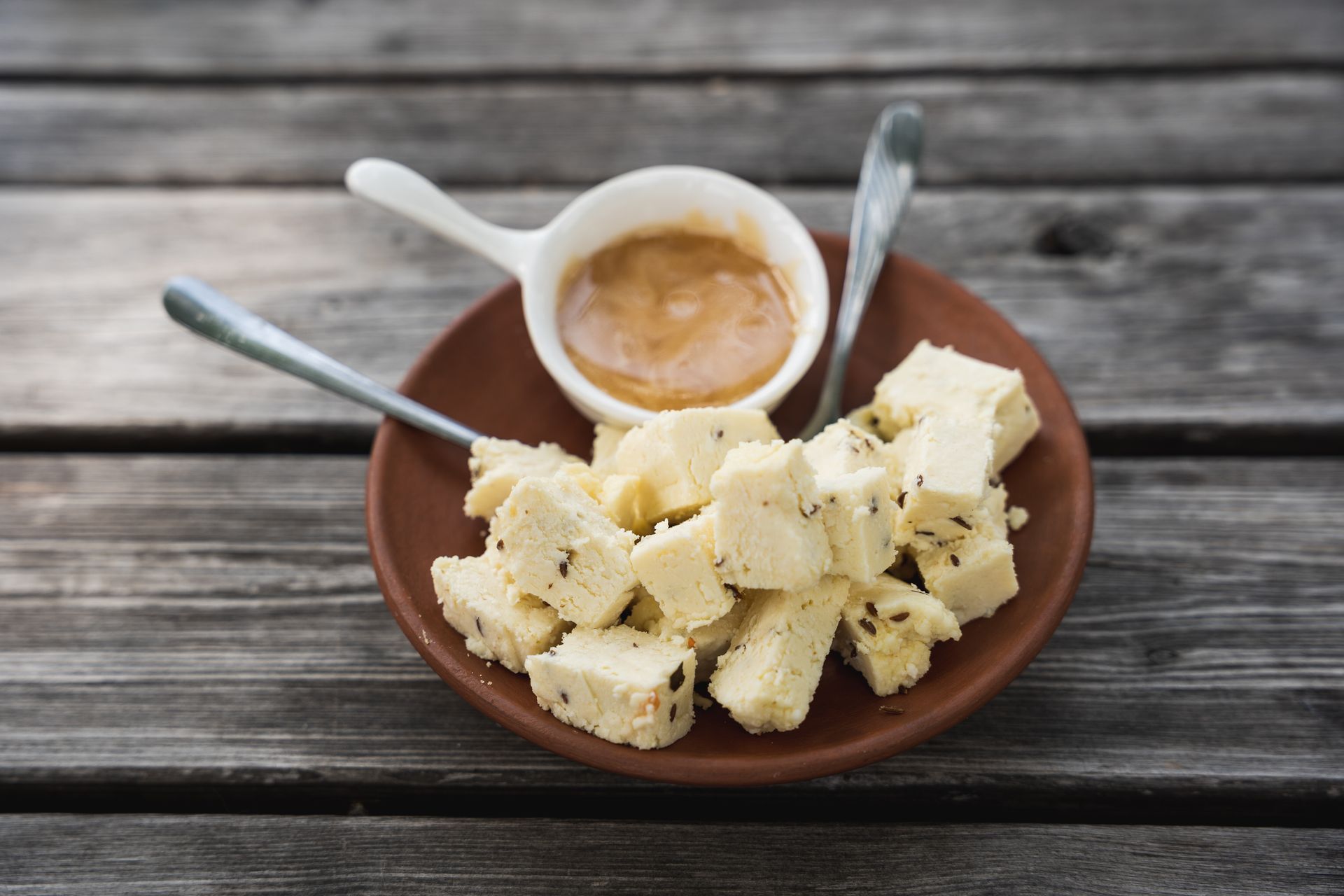
- In Setomaa, Maagõkõnõ, the home restaurant of Toomemäe Farm, the most popular dishes are fish cakes made from local pike, warm cottage cheese, and homemade ice cream. Owner Sirje has also won many awards for the best pie during Seto Kingdom Day!
Kolm Sõsarat, located on the outskirts of Karula National Park, recently received a MICHELIN Green Star. Their seasonal seven-course dining experience uses the freshest, highest-quality local ingredients.
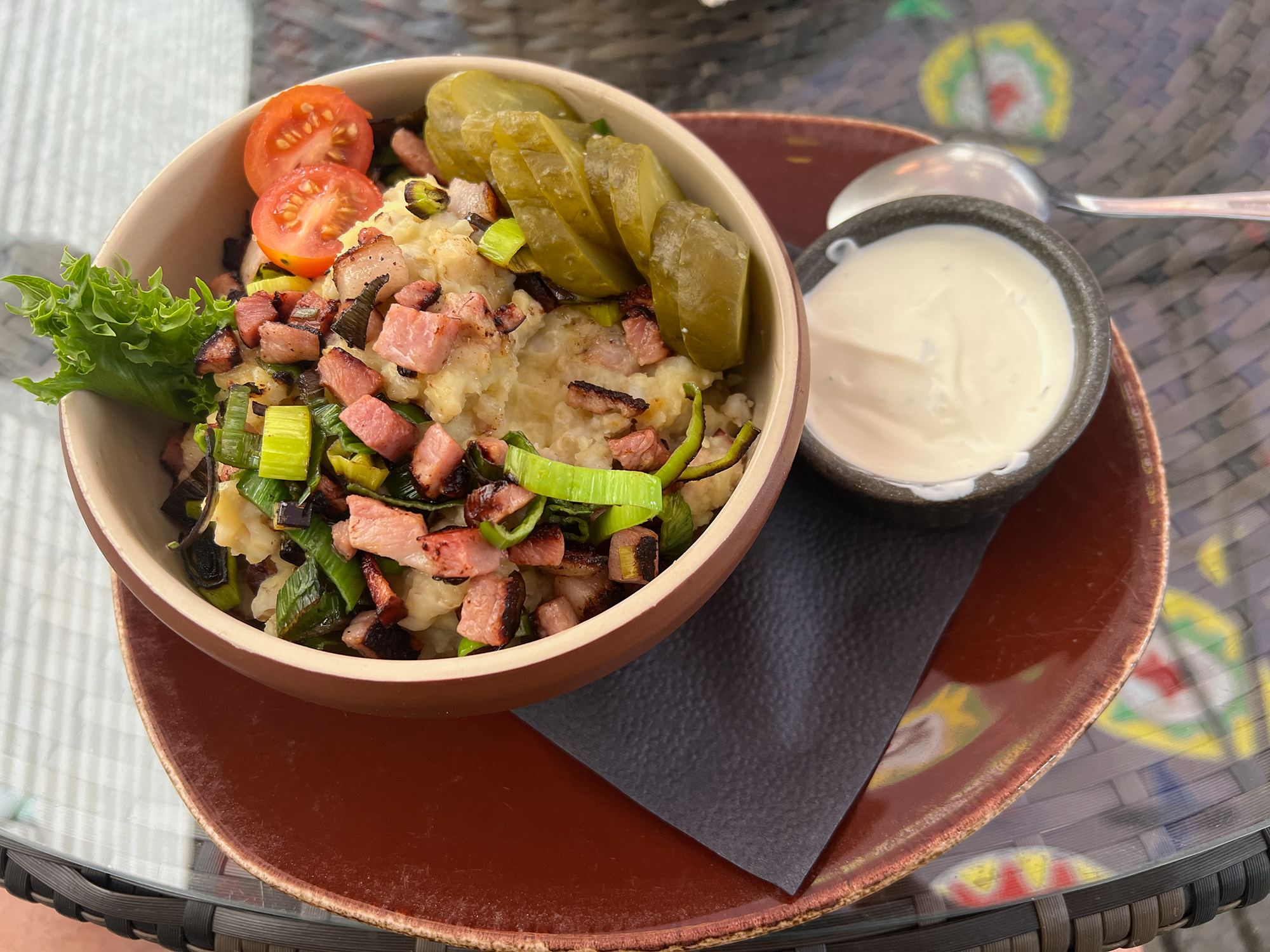
Photo author: Felix Hau
Pärnu and West Estonia
This is the region to go to if you're looking for Baltic coastal cuisine.
Cider and wine
- At Valgeranna Veinitall, you can learn more about Mamm&Frukt craft wine production and taste some of their popular fruit wines.
- Tori Cider Farm is the largest organic cider and organic wine farm in Estonia. There you can learn how berries and fruit, which mainly come from around Soomaa National Park, are turned into cider and wine.
- Allikukivi Veinimõis produces berry and fruit wines in the historical mansion of the manor's factory manager.
- Jaanihanso Cider House makes cider from Estonian apples. The cider is pressed on the spot in late autumn and then ages in the bottle, just like champagne.
Fish
- Sauga Fishing Village has a riverside café with fish from local fishermen and meat from Estonian hunters. You can also arrange meals as part of fishing trips.
- Dirhami Fish Cafe stays true to its name by featuring fish that have been historically important to the diet of Western Estonians.
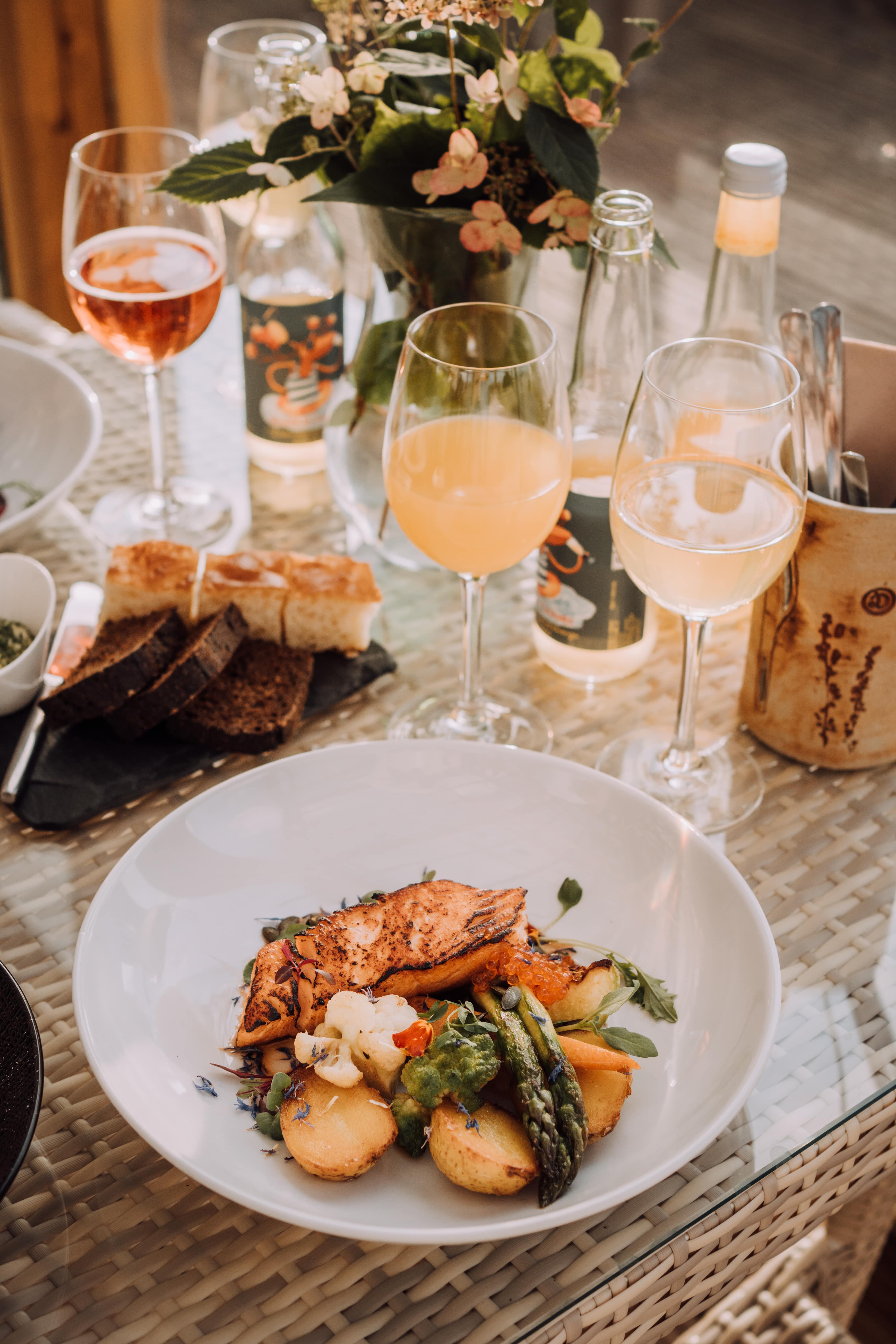
Photo author: Rivo Veber
Exploring Pärnu County's "Romantic Coastline"
The area encompassing the coastline of Pärnu County, including Kihnu and Manija Islands, is known as the Romantic Coastline for its quaint seaside villages, secluded beaches, and beautiful landscapes.
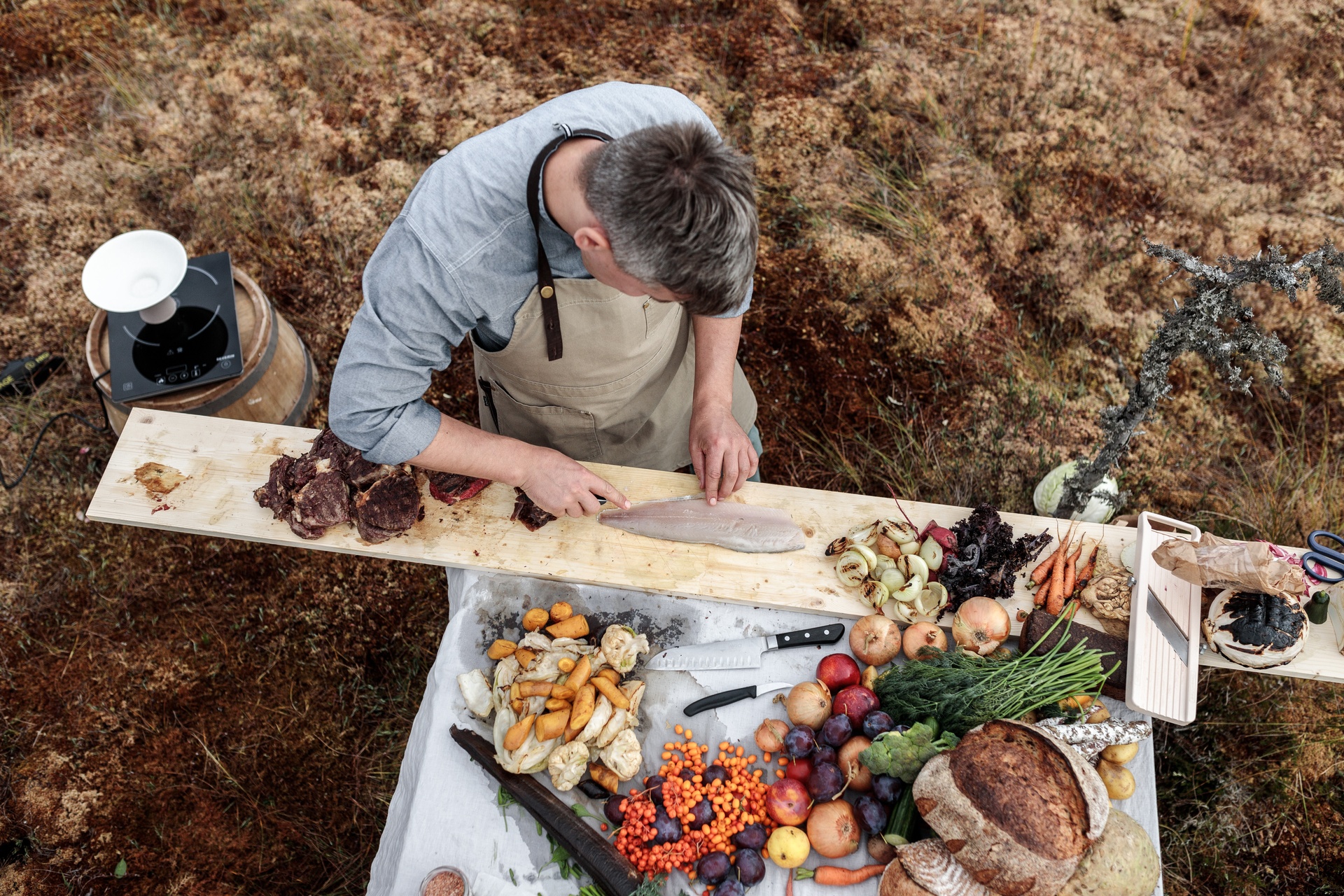
One of the best ways to enjoy regional Estonian cuisine is by combining outdoor adventures with lunch al fresco. Even simple foods taste fancy when enjoyed with birdsong and a light breeze.
- Tormikadaka Farm offers visits to its apiary to learn more about beekeeping and taste local honey.
- Seikle Vabaks also has numerous outdoor offerings that include a light meal; you could even try their overnight camping experience, followed by breakfast in the morning.
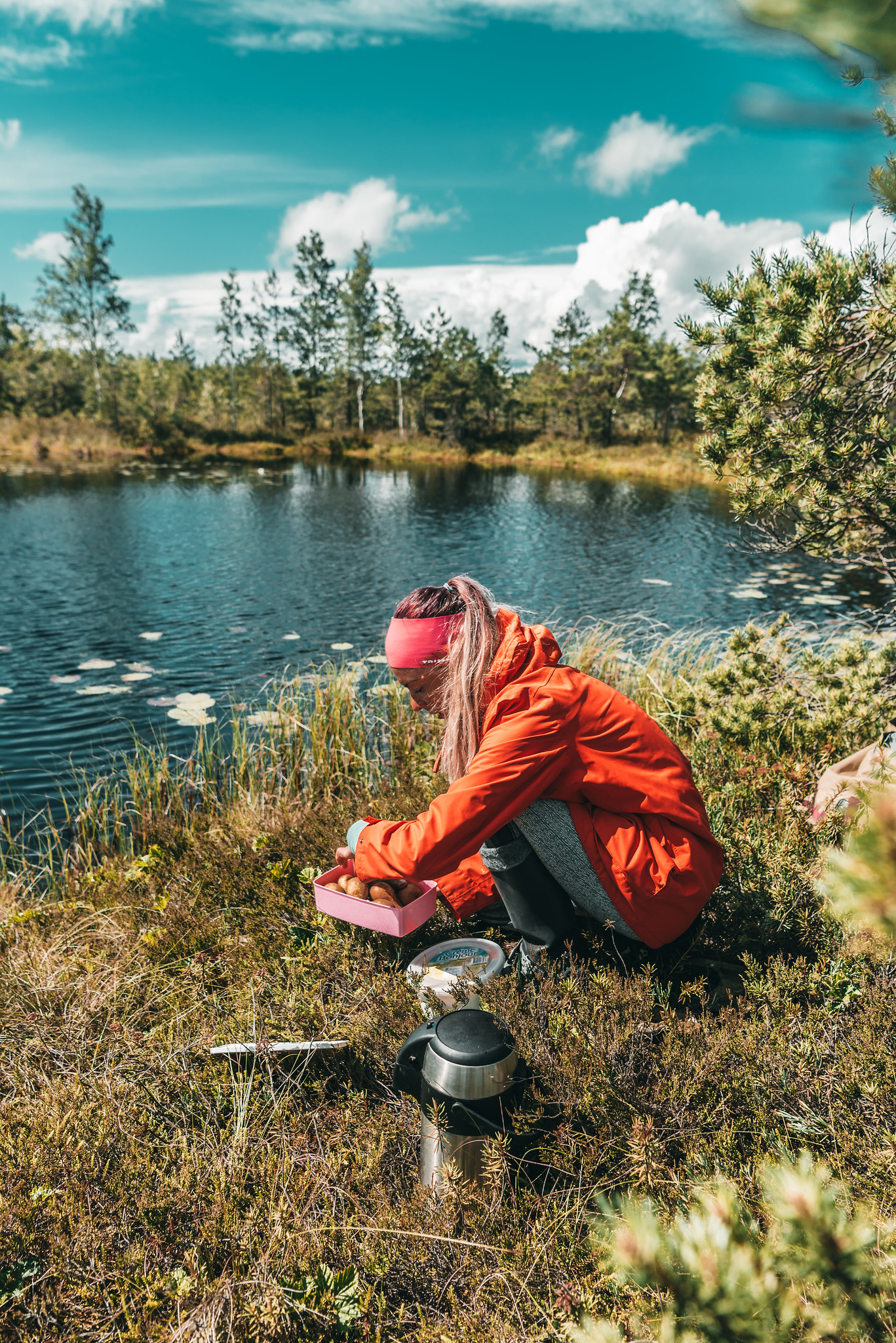
Photo author: Karlis Buskevics, Visit Pärnu
Saaremaa and Muhu Island
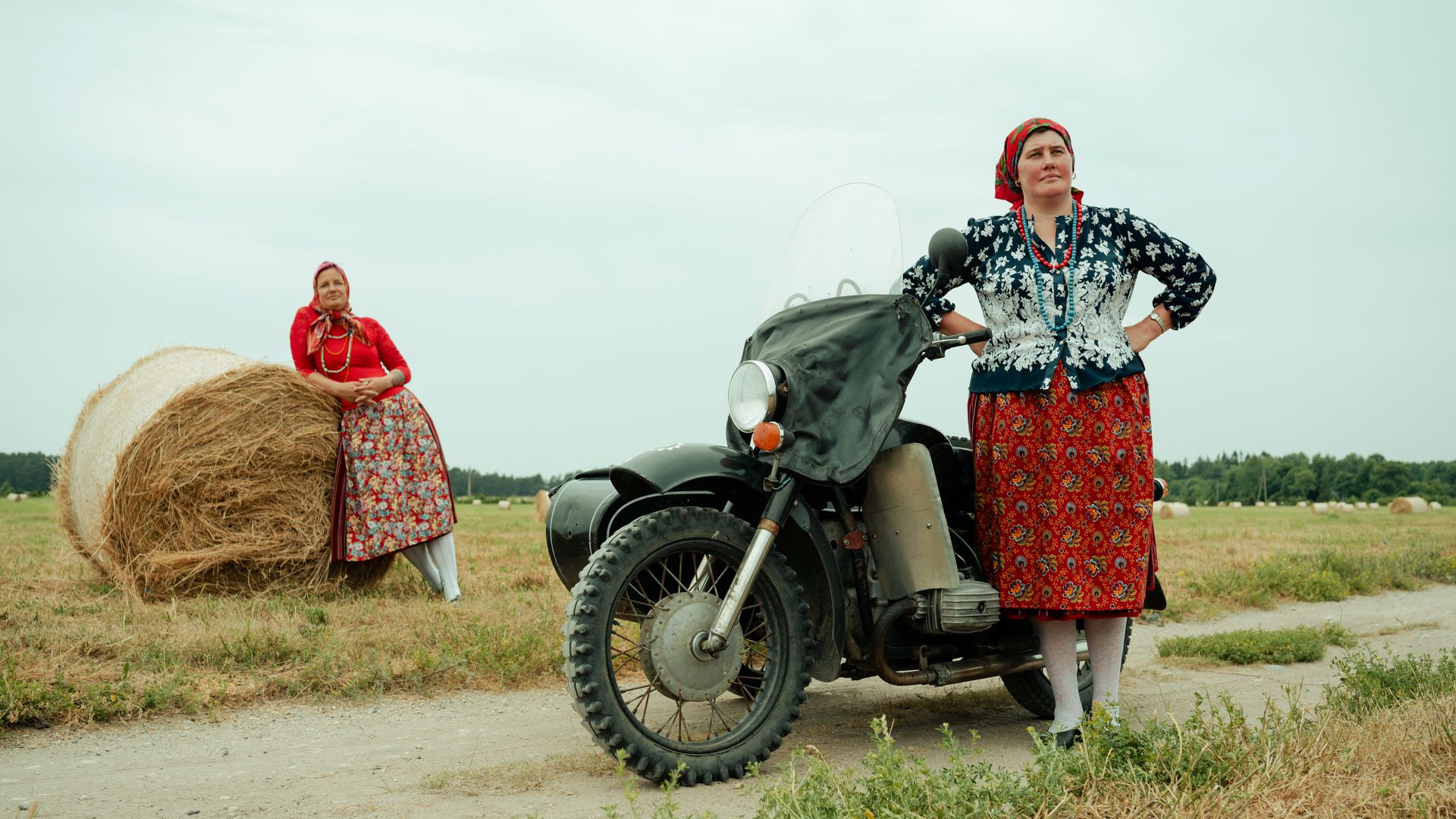
Shopping tip: Products with the "Saaremaa Ehtne Toode" label indicate the product's origin and ensure it has been made on Saaremaa or Muhu Island. Looking for this label makes it easy to stock up on Saaremaa food specialties at the grocery store!
- Juniper syrup is still made using traditional methods at Kadaka Koja. The flavorful syrup includes nuts, berries, herbs, and spices and is said to promote vitality and health.
- Every day, the menu at Ku-Kuu includes fresh fish, bought that morning from the market or local fishermen. Come and enjoy the catch of the day.
- Located in an old church school, Lümanda Tavern offers delicious farm food. The menu features tuhlipuder ja nott and pannileib, two traditional dishes featuring potatoes and smoked meat.
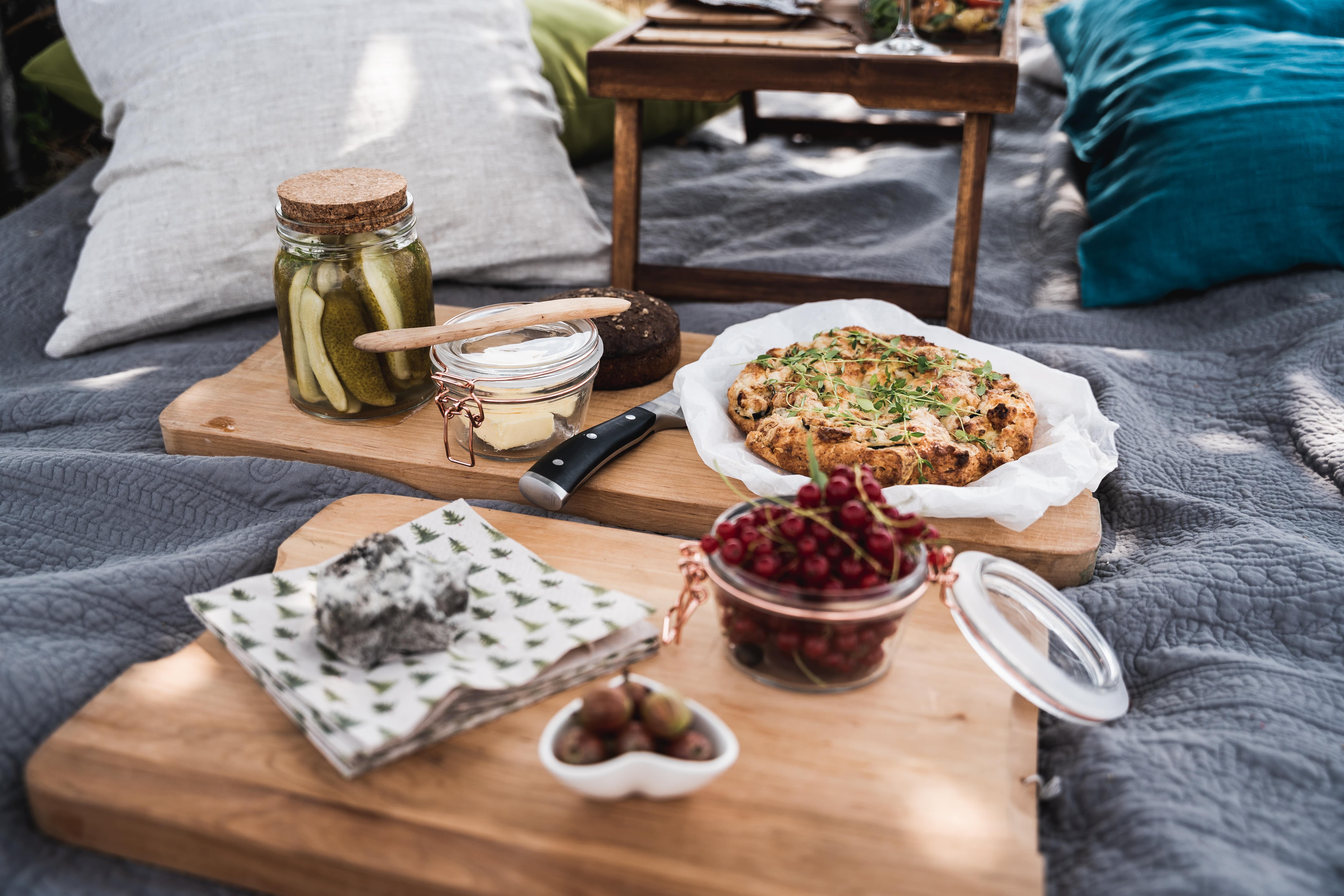
Photo author: Priidu Saart
More on where and what to eat in Estonia
FAQ
What is the specialty of Estonia?
Each region has its own flavors. Islands are known for smoked fish and home-brewed beer; Setomaa for curd dishes and honey cakes; South Estonia for mulgipuder; and Old Believer villages for onions and freshwater fish from Lake Peipsi.
What is Estonia famous for when it comes to food?
Rye bread, dairy, mushrooms, and berries form the backbone of Estonian cuisine. Northern regions lean on sprats and herring, while the south is proud of dark bread, cereals, and honey.
What dish represents Estonia as its national food?
The traditional Christmas dish — blood sausages (verivorst) with sauerkraut and lingonberries — is considered the national dish by many Estonians. Rye bread stands as a potential national dish because every region consumes it, although they prepare it differently. The bread-making traditions of island communities produce dense, dark loaves that differ from the lighter bread found in inland areas.
What products does Estonia specialize in making?
Key products include rye, potatoes, dairy, forest berries, and mushrooms. Honey from South Estonia, farmhouse beer from Saaremaa, and onions from Lake Peipsi are among the best-known regional specialties.
Every season has something special — and an extra season gives you extra time to see it all.
Expert tip: Exploring off-season will help off-load the pressure.
Last updated
29.04.2026