
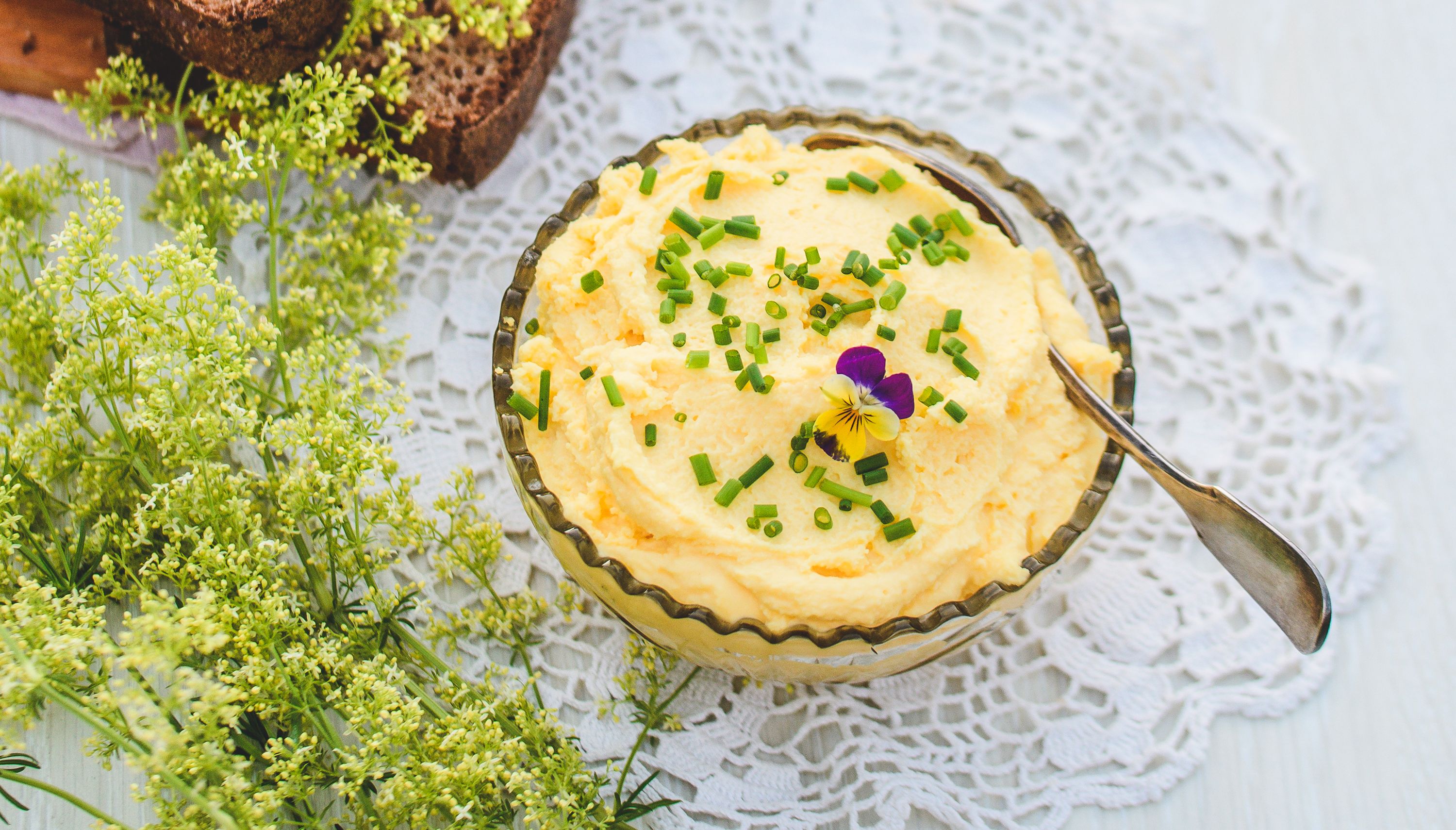
Setting the table in Jõgeva County — Estonia's Food Region of the Year
The Estonian Food Region for 2026 is Jõgeva County. Read on to discover its edible identity, local produce, and rich food culture.
Jõgeva County's identity is edible!
The value of the region’s food lies in its simplicity, local ingredients, and tradition, while the plant scientists at the Centre of Estonian Rural Research and Knowledge (METK) are shaping the future of what we eat.
Food here is more than just what's for lunch or dinner; it is integral to culture and community.
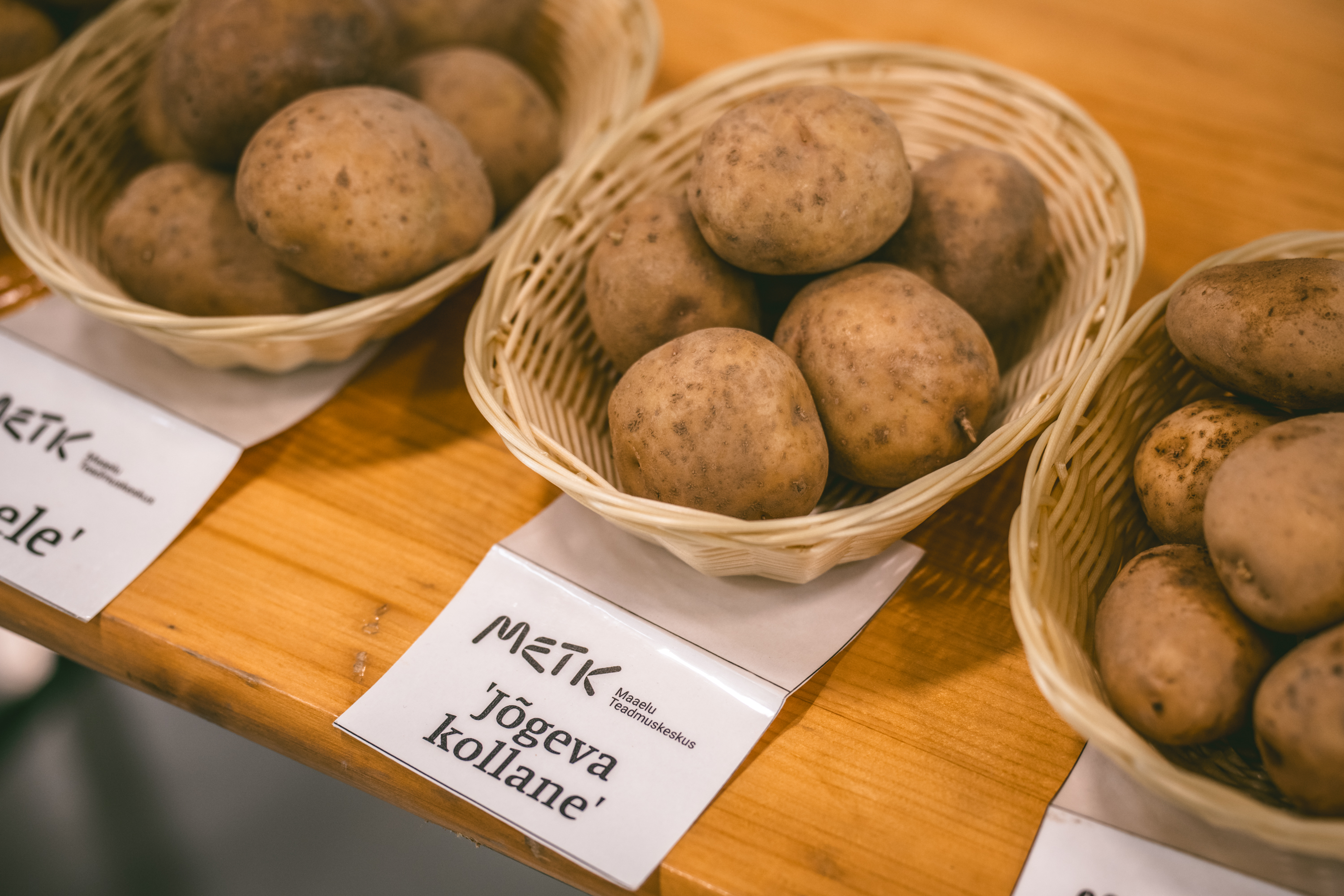
“Jõgeva Yellow” is a popular local potato variety
This beautiful yellow potato is best suited for boiling, as it does not break down much during cooking, has a pleasant texture, and does not darken.
Jõgeva County is the cradle of Estonian food culture
The cereal, potato, vegetable, legume, and forage crop varieties developed here are tailored to Estonia’s soil and climate conditions.
Over 105 years of plant breeding at the former Jõgeva Manor have brought iconic products to Estonian dinner tables: the Jõgeva Yellow potato, the sweet Aamisepa pea, the juicy Malle tomato, and Perenaise wheat flour, known for its excellent baking qualities.
The Centre of Estonian Rural Research and Knowledge (METK) is a state research and development institution, with one of its units located in the town of Jõgeva. They have continued breeding new plant varieties, conducting scientific research, and developing variety-based agrotechnologies. Plant breeders are, in fact, creating the food trends of the future, as developing a single variety can take around 10 years, if not longer.
"Jõgevamaa sets the table!"
The aim of the Year of Jõgeva County Flavors is to raise awareness of local foods.
The year's program includes themed days dedicated to different raw materials, community café days, colorful festivals, evenings telling local food stories, and much more. Local foods are important to Estonian food security, whether they are products from small producers or locally developed varieties.
"Set the table" is exactly the phrase that characterizes Jõgeva County's local food culture, because you can prepare both lunch and dinner from raw materials grown here or from locally made products, and accompany them with a drink made in the area.
There are a number of great small producers in Jõgeva County. Among the large ones, Estonia's oldest continuously operating food company — the Põltsamaa and Felix brands — has operated in Põltsamaa for 125 years. Most Estonians have also prepared food with Olivia rapeseed oils, which are produced in Painküla.
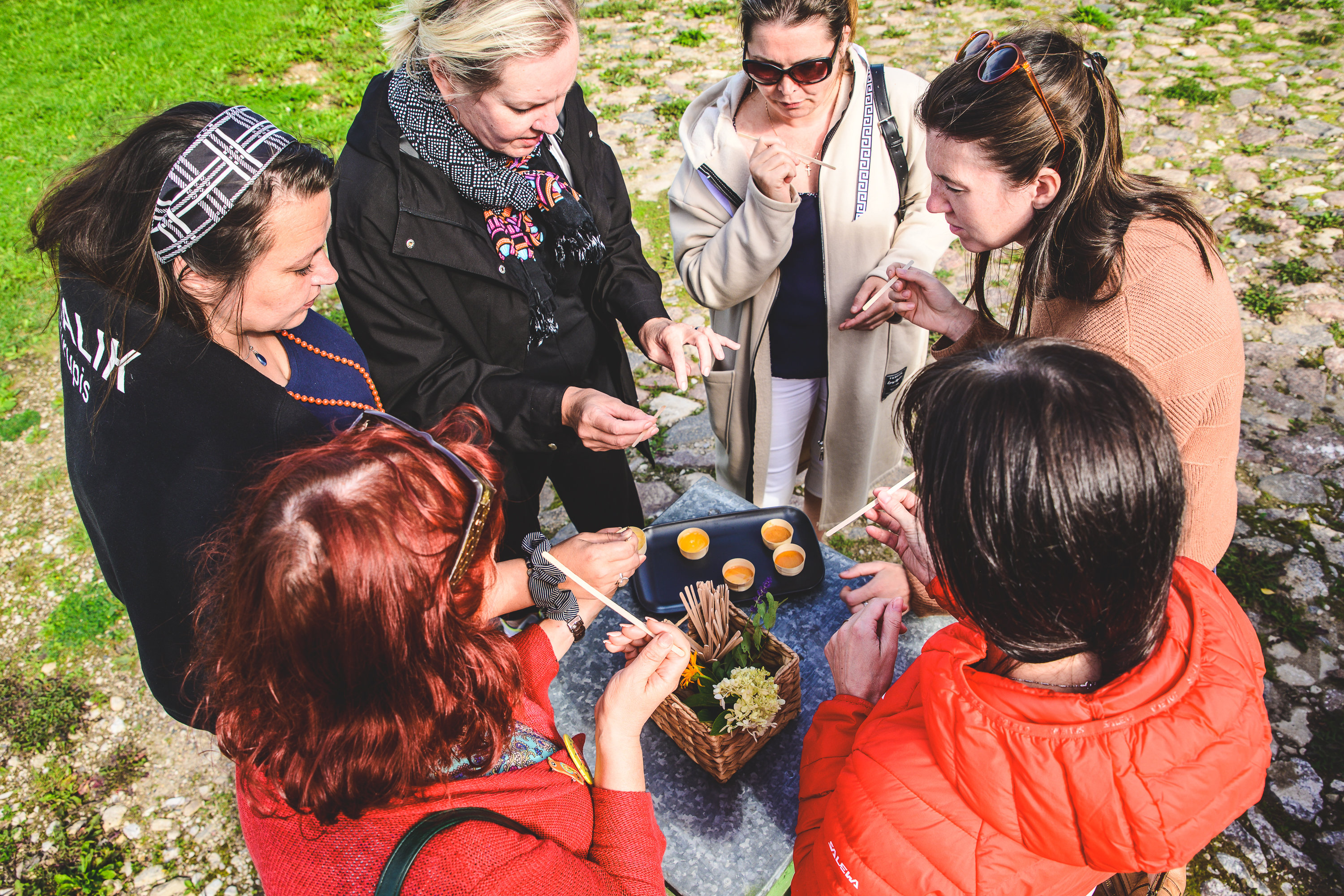
Photo author: Ülle Jukk
Jõgeva County's food culture is diverse
Although the county is just over 75 years old, its 2,500 square kilometers carry layers of heritage from ancient times to the present day.
As a result, its food traditions form a patchwork as varied as a quilt, combining the agricultural inland with the fishing and vegetable-growing culture of the Lake Peipsi area.
The characteristic flavors of Jõgeva County have emerged from fertile soils, numerous lakes, forests, and a diverse cultural landscape. The region's simple, nourishing food has roots in peasant traditions, where sustenance and energy have always been key.
Jõgeva County's culinary memory includes a wide variety of soups, barley bread (odrakarask), pies with many different fillings, and, of course, boiled eggs with butter (munavõi). A well-kept secret is the grated potato cake. The Peipsi cucumber, widely cultivated in the second half of the 20th century and a source of prosperity for the Peipsi region, has today become a tourism product. The area is also linked to several important milestones in Estonia’s food history.
During the Food Region of the Year, the fundamental elements of Jõgeva County's cuisine are brought into focus: fish, meat, vegetables, potatoes, grains, and honey.
To offer a deeper insight into Jõgeva County’s food heritage, a comprehensive overview was compiled in 2024 by local historians. The book "From Soft Fish to Fluffy Egg Butter" takes readers on a journey through the county’s food identity, focusing mainly on the second half of the 19th century and the first half of the 20th century. What people eat today can be experienced year-round at workshops, themed dinners, and, of course, by tasting and purchasing local products at food festivals and fairs.
 Ülle Jukk
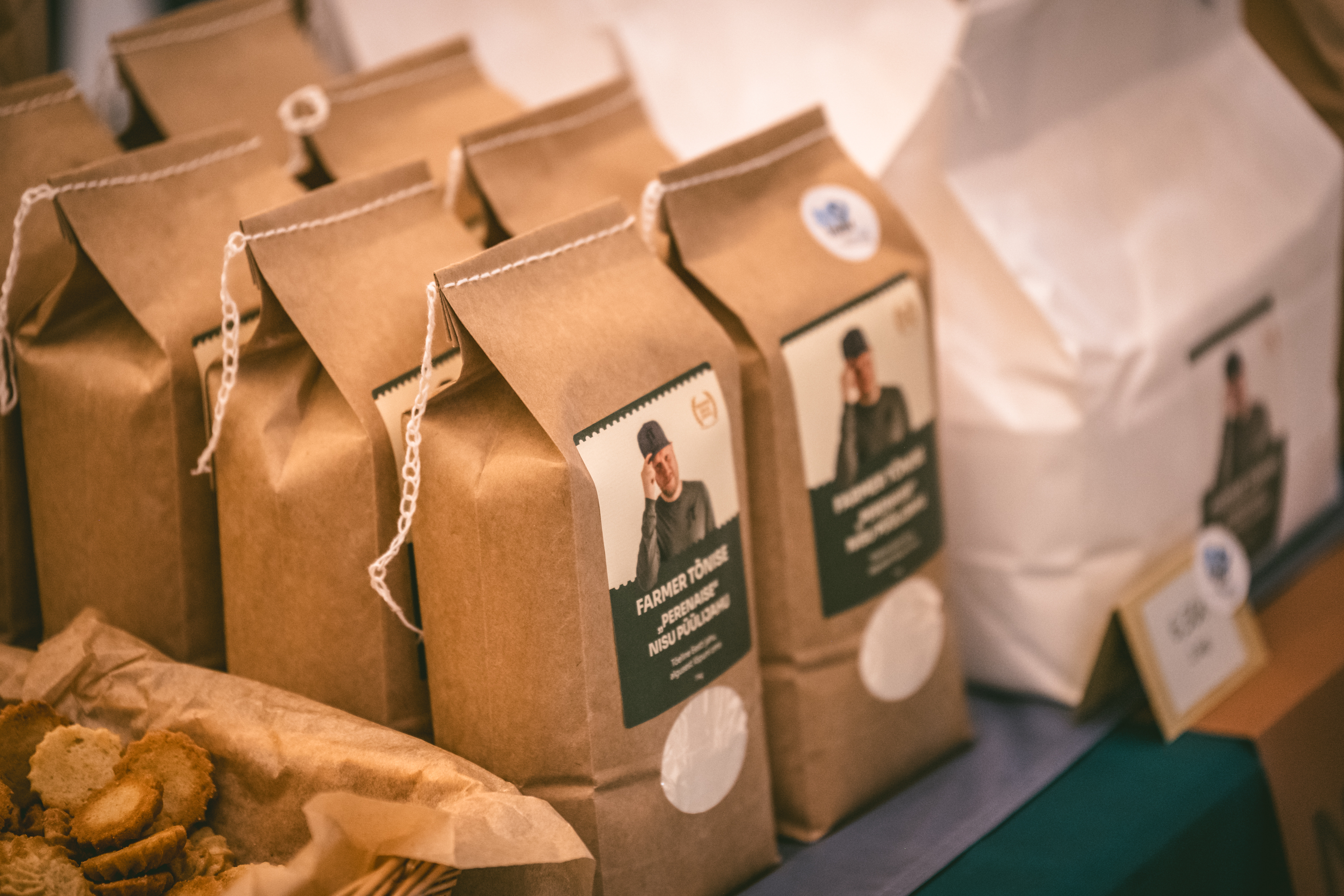 Ülle Jukk
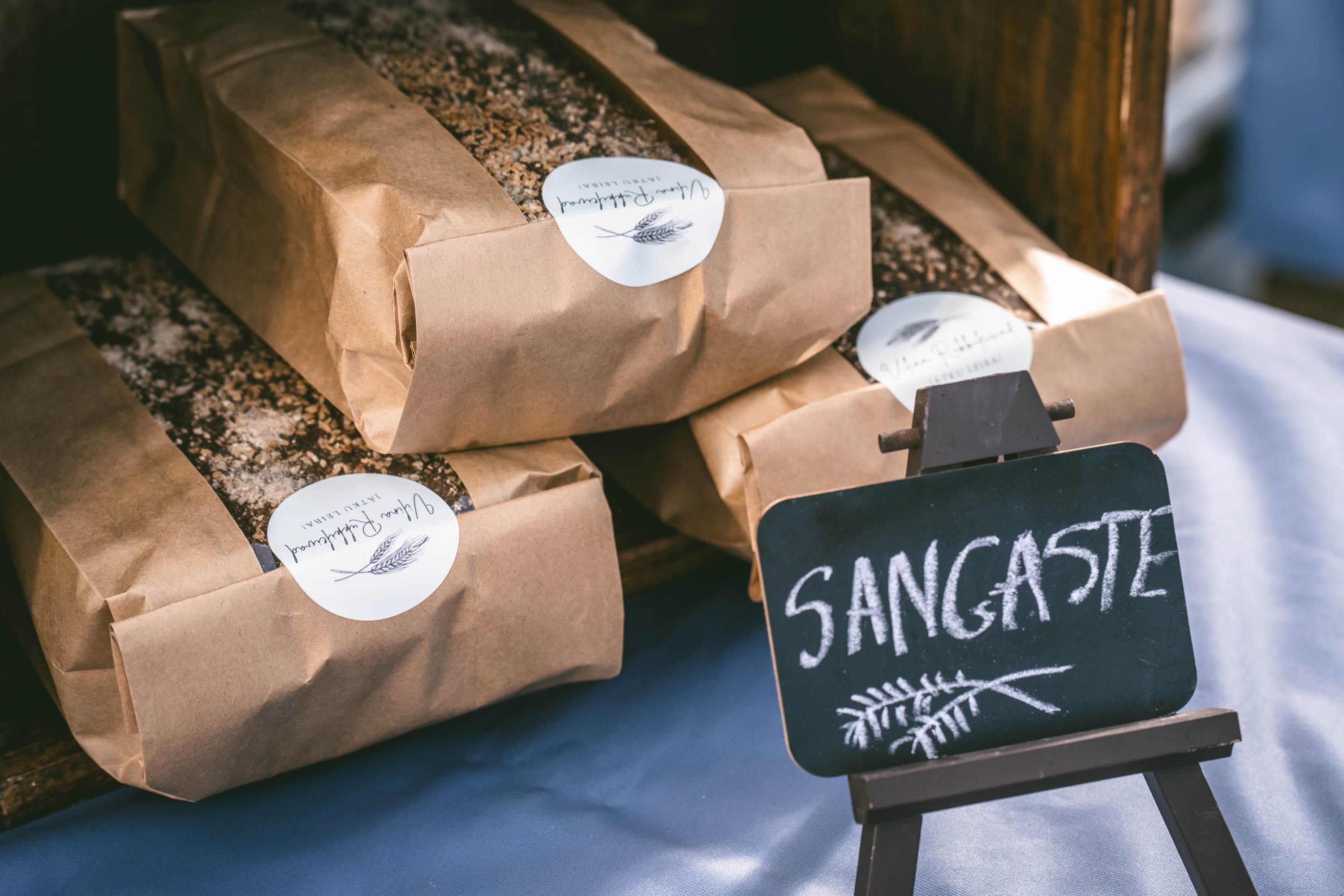 Ülle Jukk
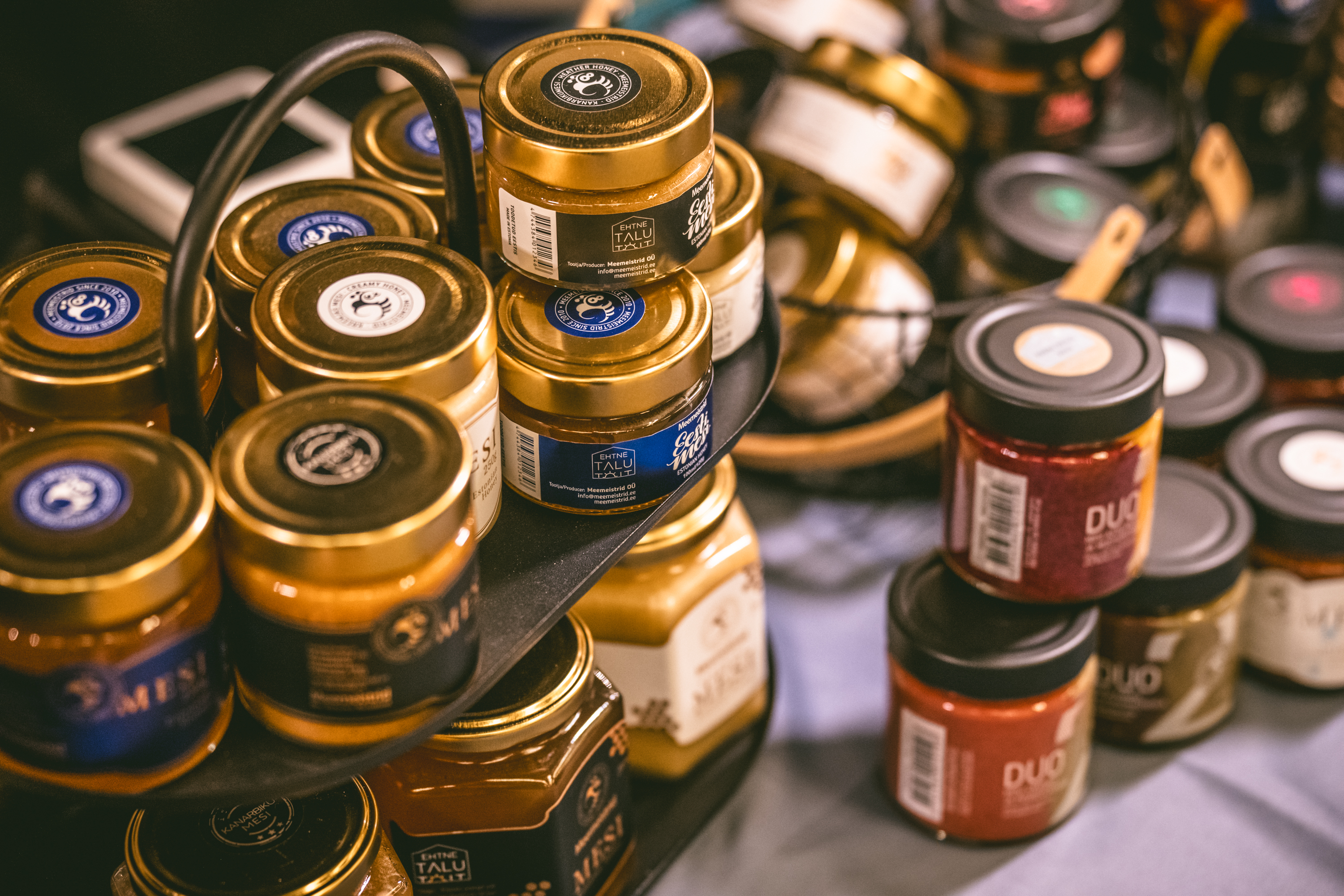 Ülle Jukk
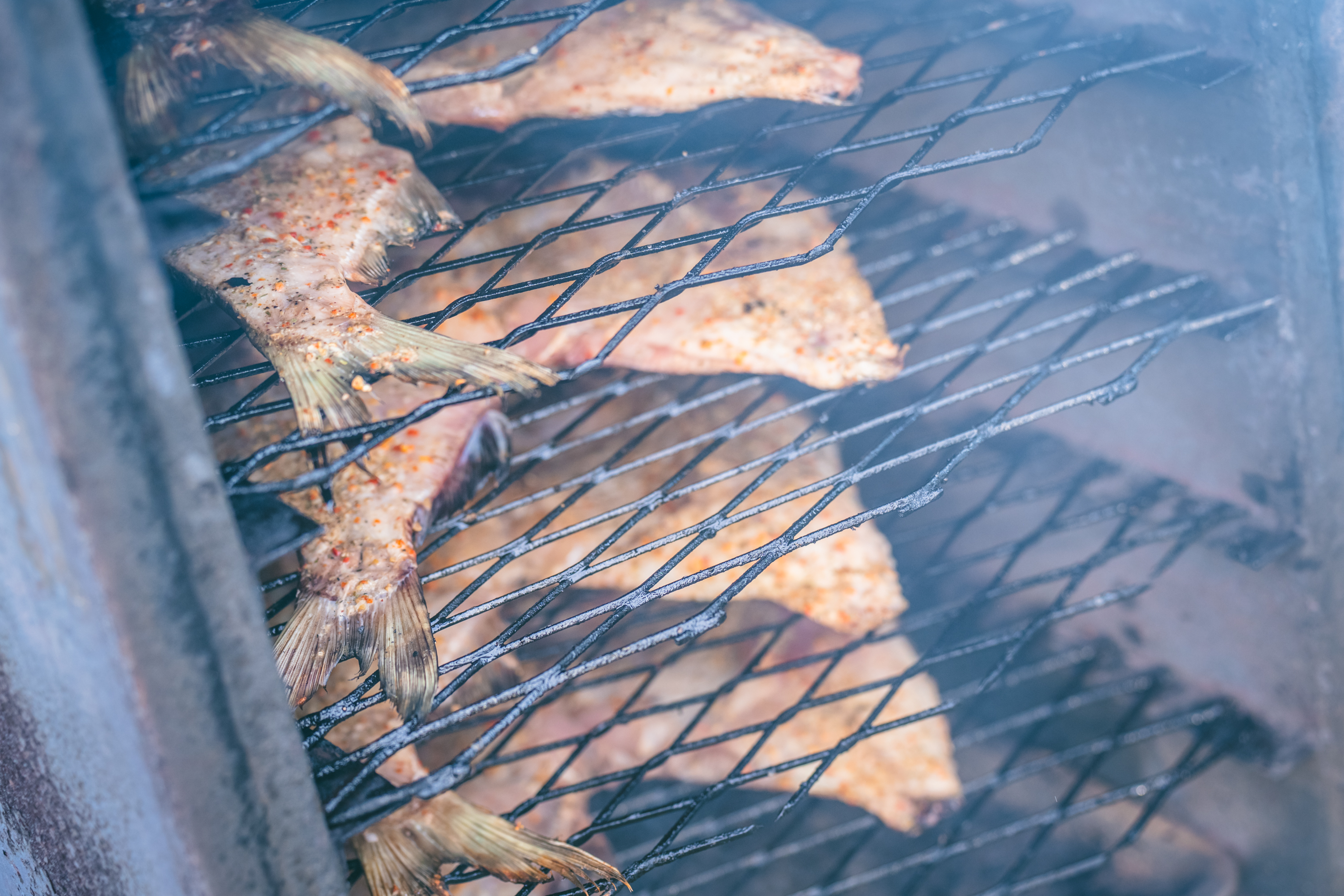 Ülle Jukk
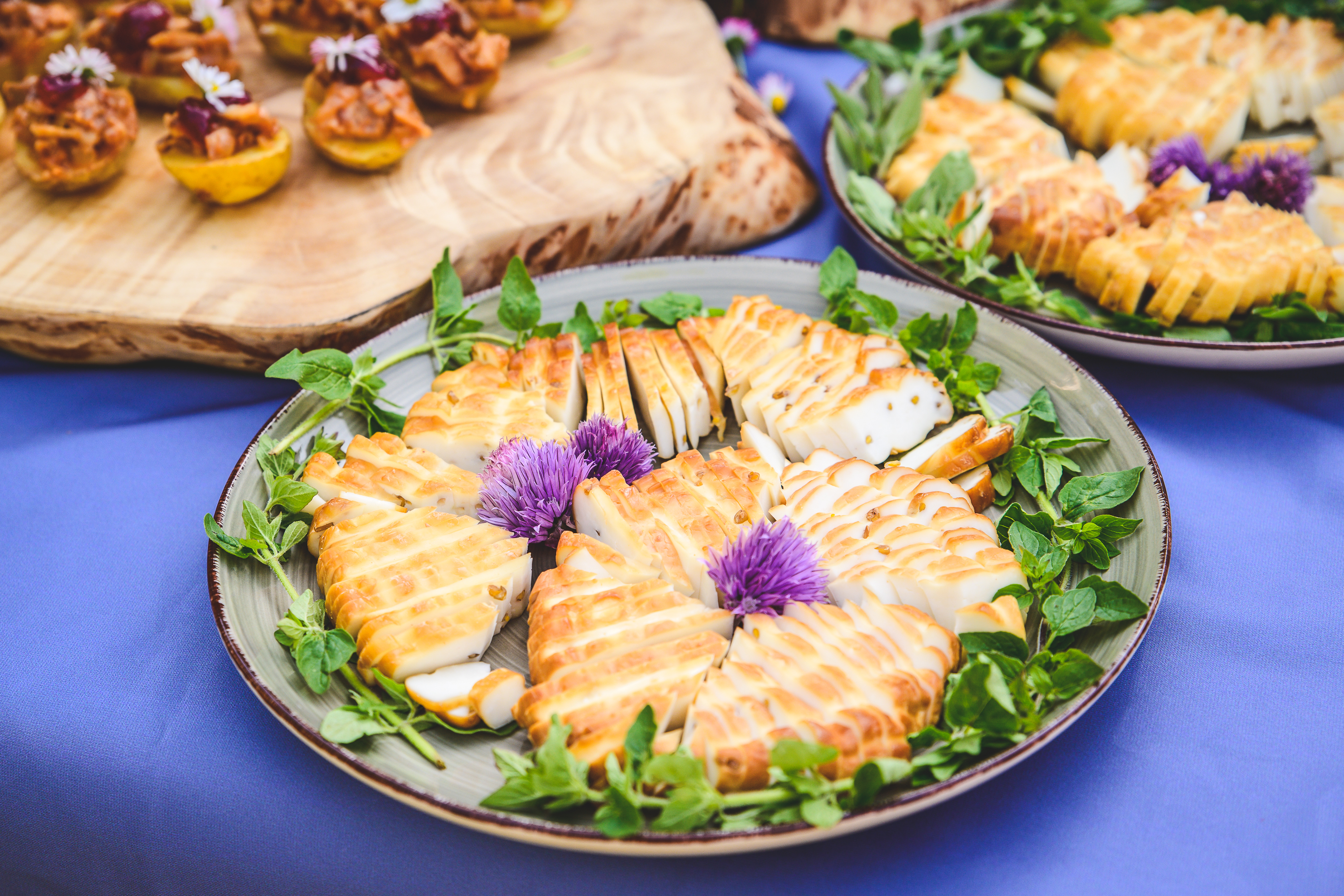
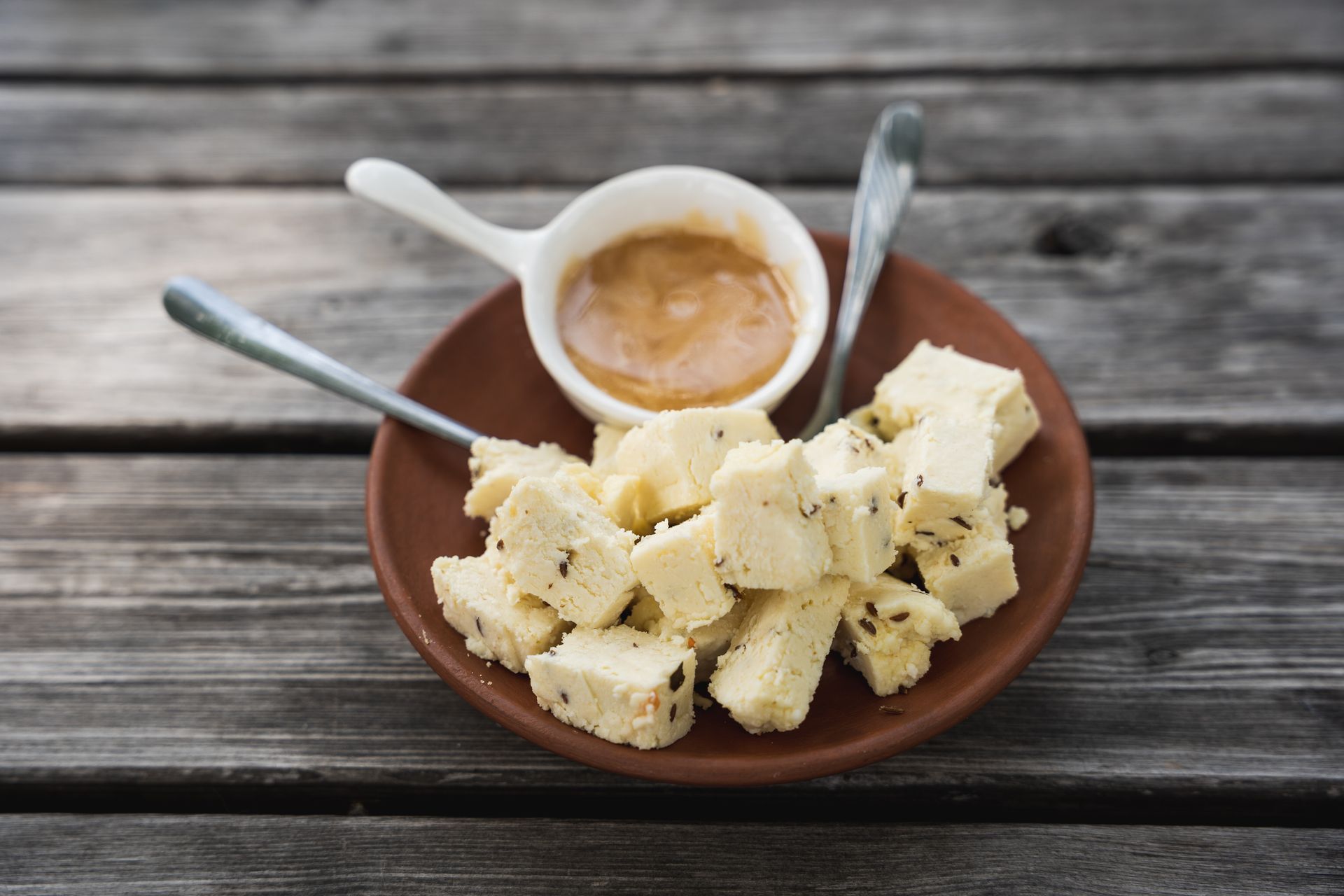
OleMari Farm
Goat cheese
The selection of Estonia’s Food Region has been a tradition since 2016.
The Ministry of Regional Affairs and Agriculture uses it to highlight local foods. Each year, one region is chosen through a competition to showcase its flavors, organize events, and carry the title while promoting regional food tourism. Previous food regions have included Tartu County and the islands of Saaremaa, Muhu, and Ruhnu. Each region has its own distinctive tastes, traditions, and food stories that reflect historical influences and introduce outsiders to local cuisine.
The Year of Flavors in Jõgeva County is led by the Jõgevamaa Cooperation Chamber (Jõgevamaa Koostöökoda) in collaboration with the county’s food network, the Center of Estonian Rural Research and Knowledge, the Jõgevamaa Village Movement Association (Jõgevamaa Kodukandi Ühenduse), local municipalities, and other partners.
Get inspired
Last updated
27.04.2026