
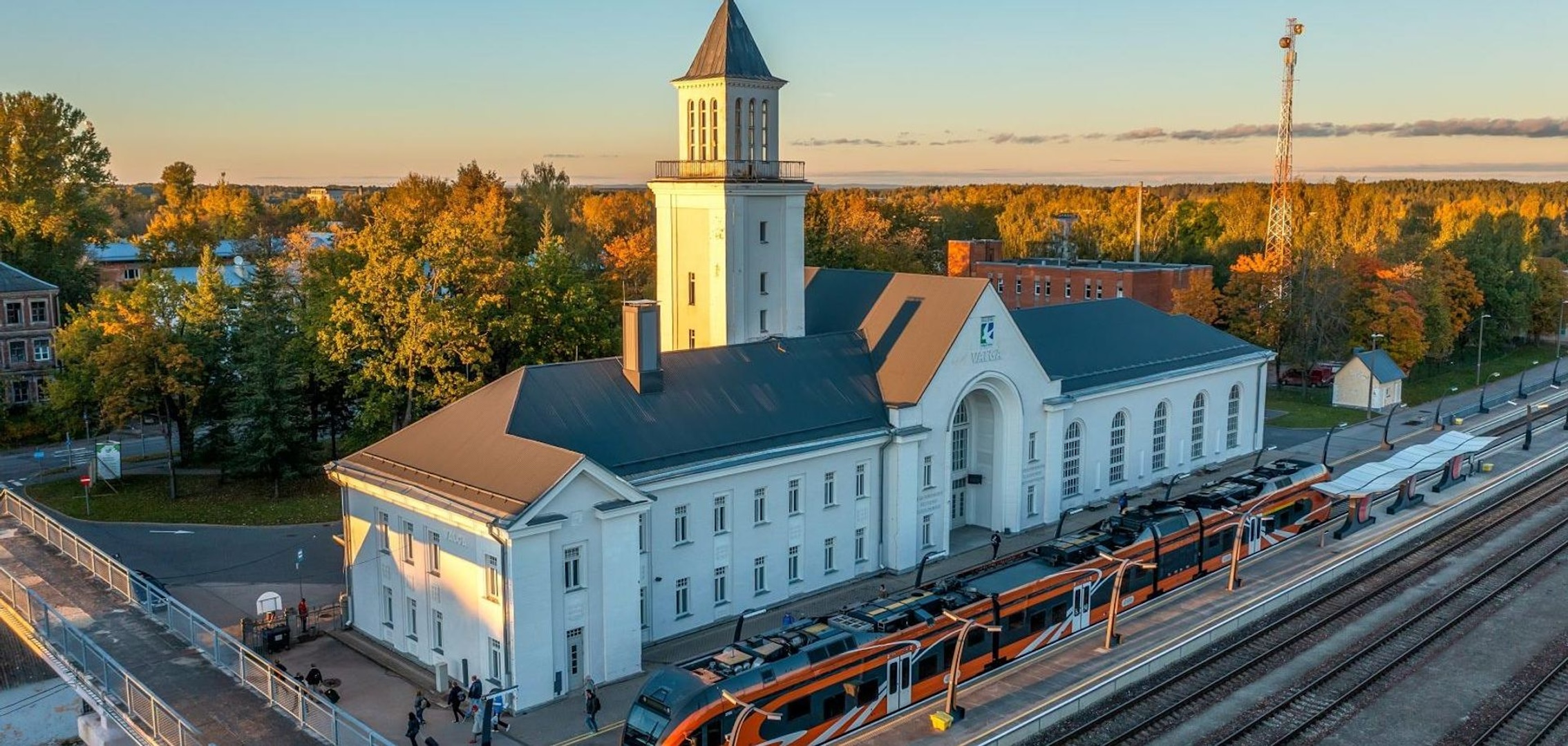
Valga and Valka, twin towns on the Estonia-Latvia border
Valga has had a bit of a glow-up recently. Here's your chance to stand with one foot in Estonia and the other in Latvia.
Estonia only has two international land borders: Russia to the East and Latvia to the South.
Crossing eastern borders involves leaving the European Union, but crossing the border between Valga and Valka is much simpler. In Valga, you can buy two ice cream cones, stand with one foot in Estonia and the other in Latvia, and marvel at jäätis in one hand and saldējums in the other. It makes for a fun stop during a holiday in South Estonia or while on a Baltic road trip.
Divided and reunited
Valga and Valka span two states, two languages, and two cultures, but they share a common history.
Valga and Valka were once one city, situated in the heart of Old Livonia. The town was first mentioned in 1286 under its German name "Walk" and has been inhabited by Latvians, Estonians, Germans, and Russians throughout its history. After World War I, however, both Estonia and Latvia laid claims to the town. The solution was to draw a new border through it in 1920. During the Soviet occupation of both countries beginning in 1940, the border became virtually non-existent again.
When Estonia and Latvia regained their independence in 1991, there was no way to decide which side should have it. The dispute was resolved by English Colonel Tallents, who decisively divided the city in two along the river – Latvians on one side, Estonians on the other.
Border checks continued until 2007, when both countries joined the Schengen Agreement. It’s still a border region, so if you're a non-EU citizen, carry your passport.
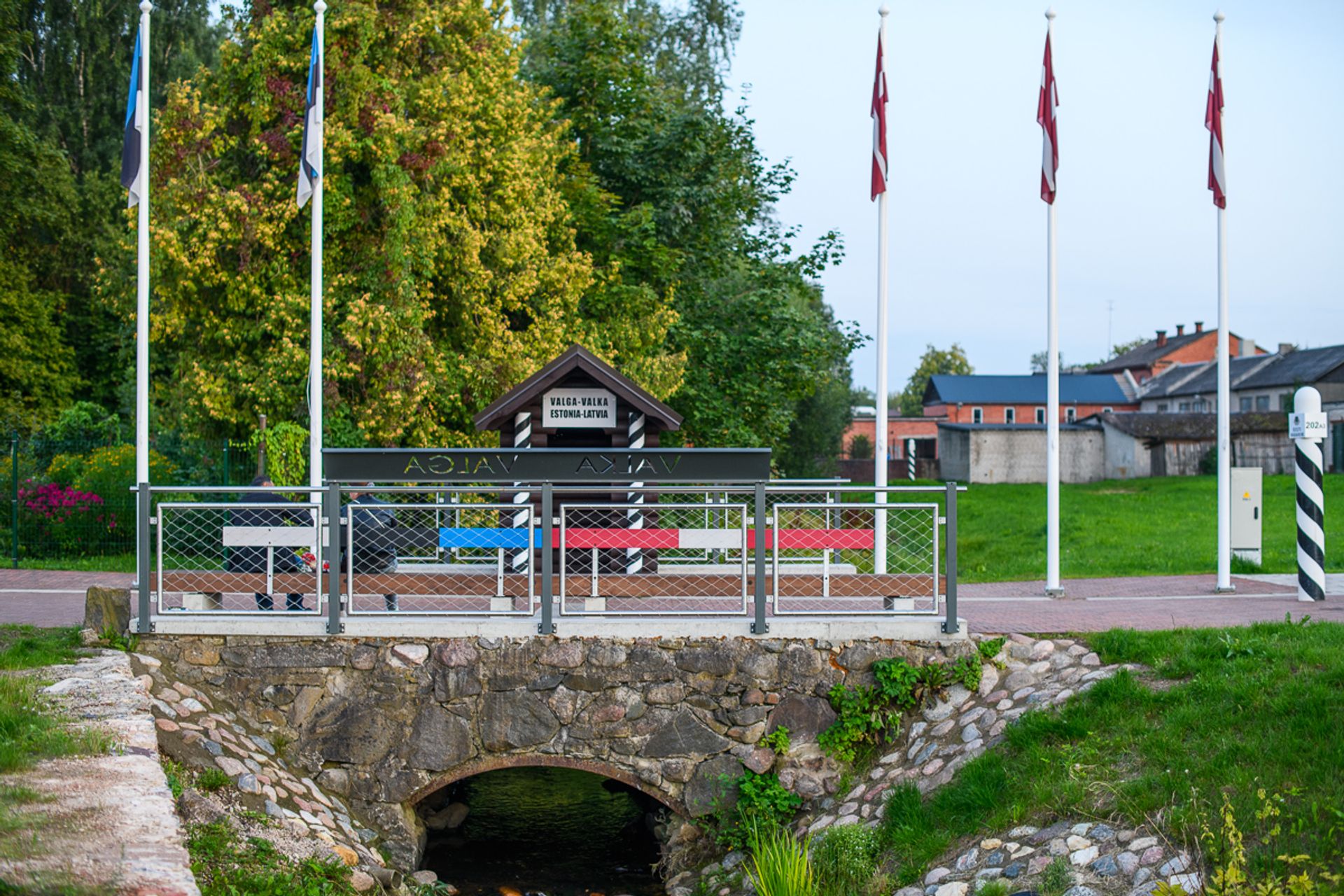
Photo author: Sven Zacek
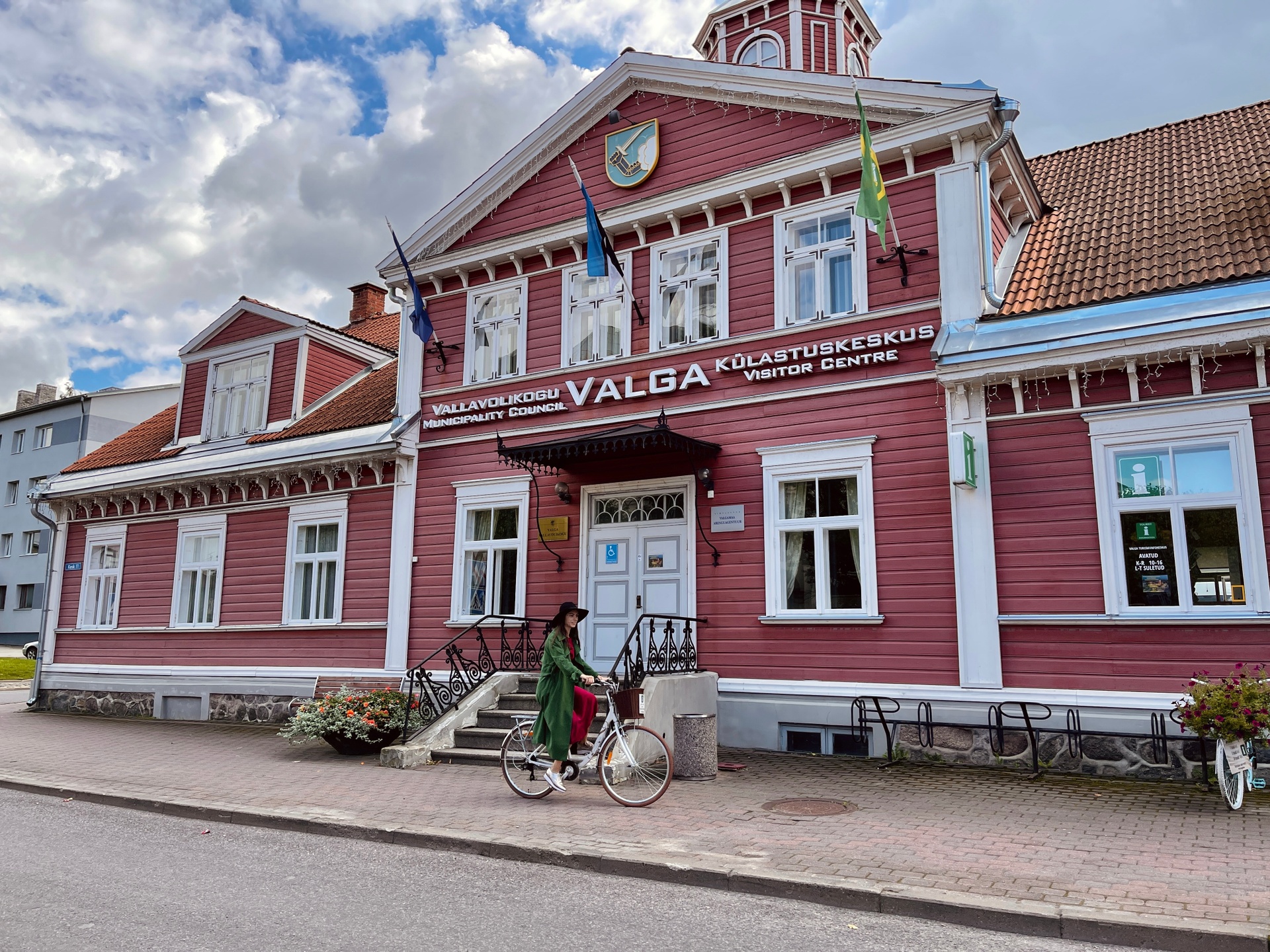
Valga's town hall and visitor center
This red building is an outstanding example of wooden architecture in Estonia.
A joint space in the city center
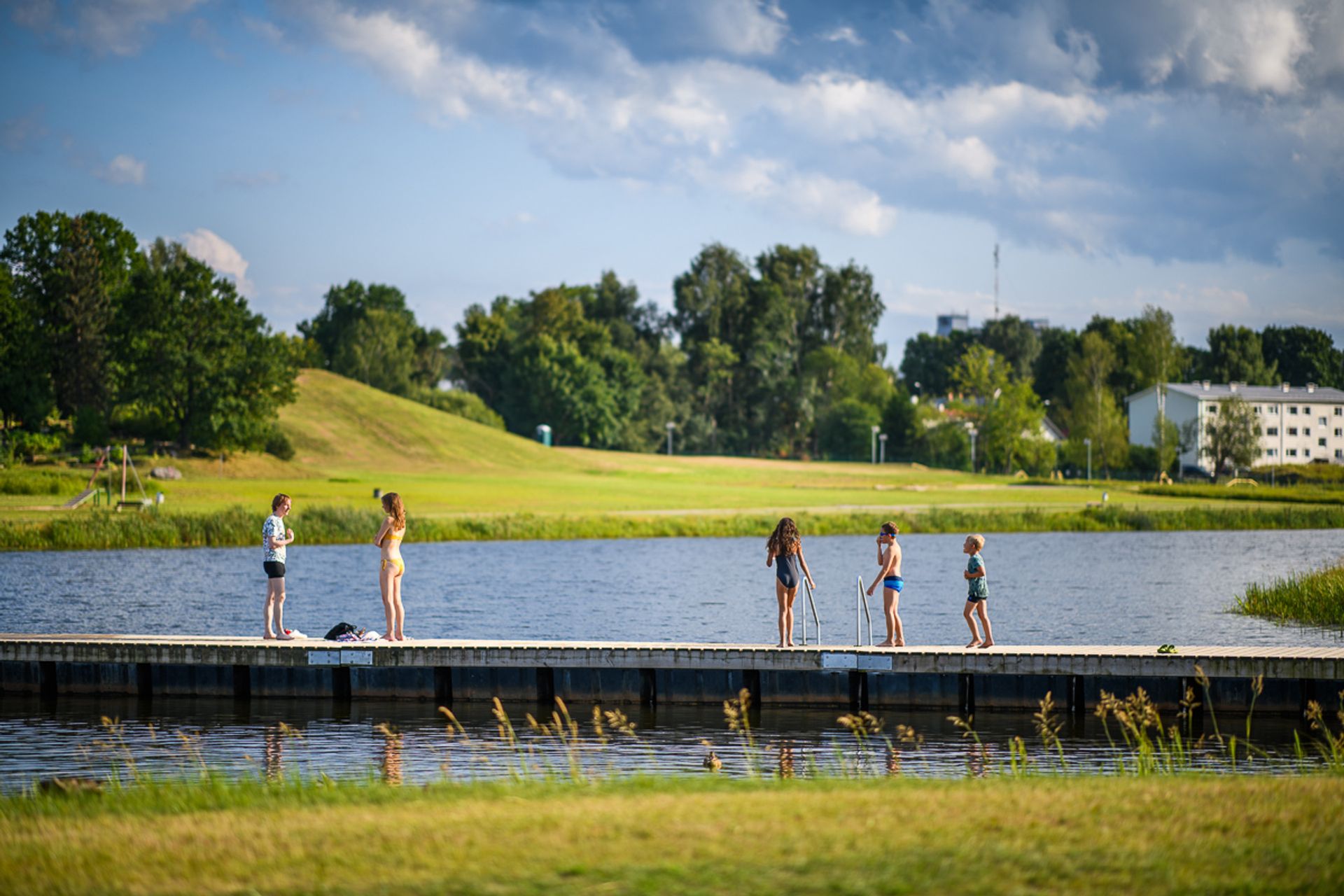
Valga's city center has been beautified in recent years, and a renovated park has opened, connecting Valga and Valka with lots of green space.
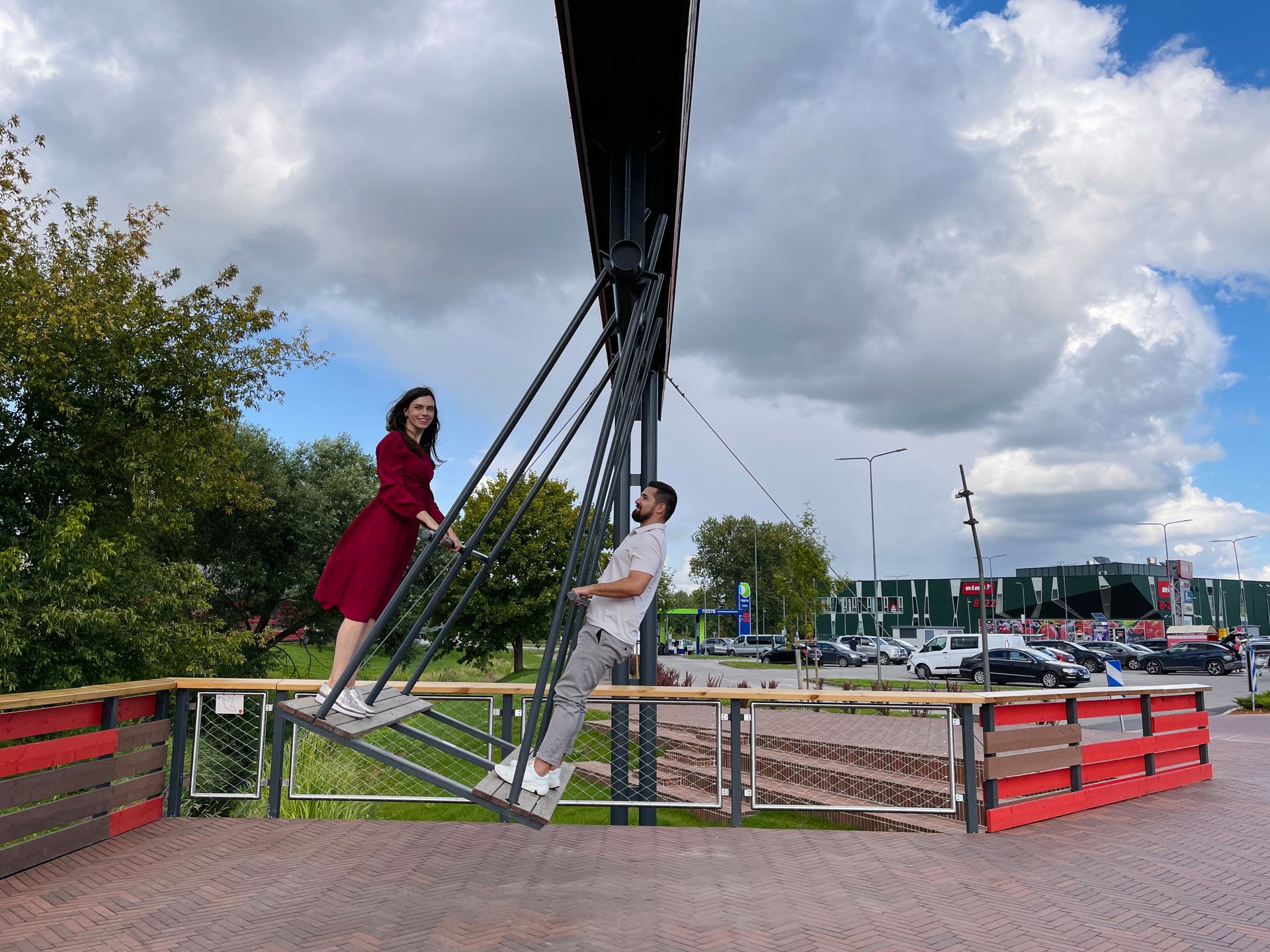
Estonians and Latvians unveiled a border-spanning central square in 2018. There is a swing mounted on the Estonian side that allows you to swing in and out of Latvia, and a bench where one person can sit in Estonia and the other in Latvia.
Valga-Valka's open-air stage has a distinctive layout: the audience seating area is on one side of the Pedeli River, while the stage is on the other. This colossal concrete structure, which can accommodate over 2,000 performers and almost as many spectators on the opposite bank, is an architectural throwback from the Soviet era.
Where to stay in & around Valga
What to see & do in Valga
Churches and museums
Lugaži Church, built in the 15th century, serves as an observation deck – climb the tower, and you’ll have a view of both Valga and the city of Valka. Other important churches in town include St. John’s Church, the only church in Estonia with an oval base; the Roman Catholic Church of the Holy Spirit, which has no tower because the Russian Tsarist government did not give permission for its construction; and Issidor’s Cathedral with its reddish-yellow bricks and five domes.
The Town Hall, built in 1865, is the oldest wooden building in Valga. The town's beautiful library was originally built as a manor house in 1902. You can also visit Valga Museum to learn about local history, from archeology to Estonia’s re-independence, and the hands-on Valga War Museum.
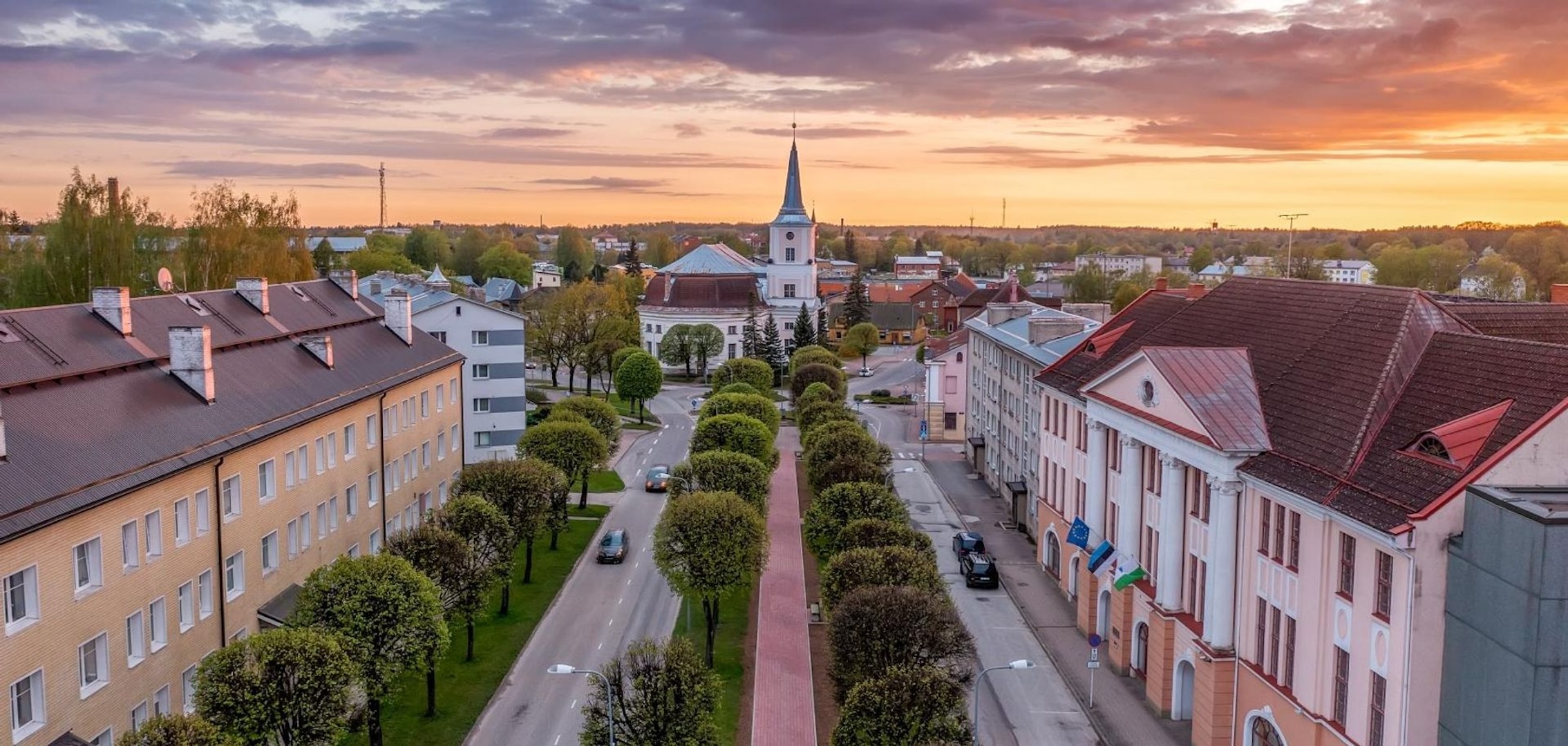
Photo author: Ragnar Vutt
A MICHELIN Green Star on Valga's doorstep
Restaurant Kolm Sõsarat
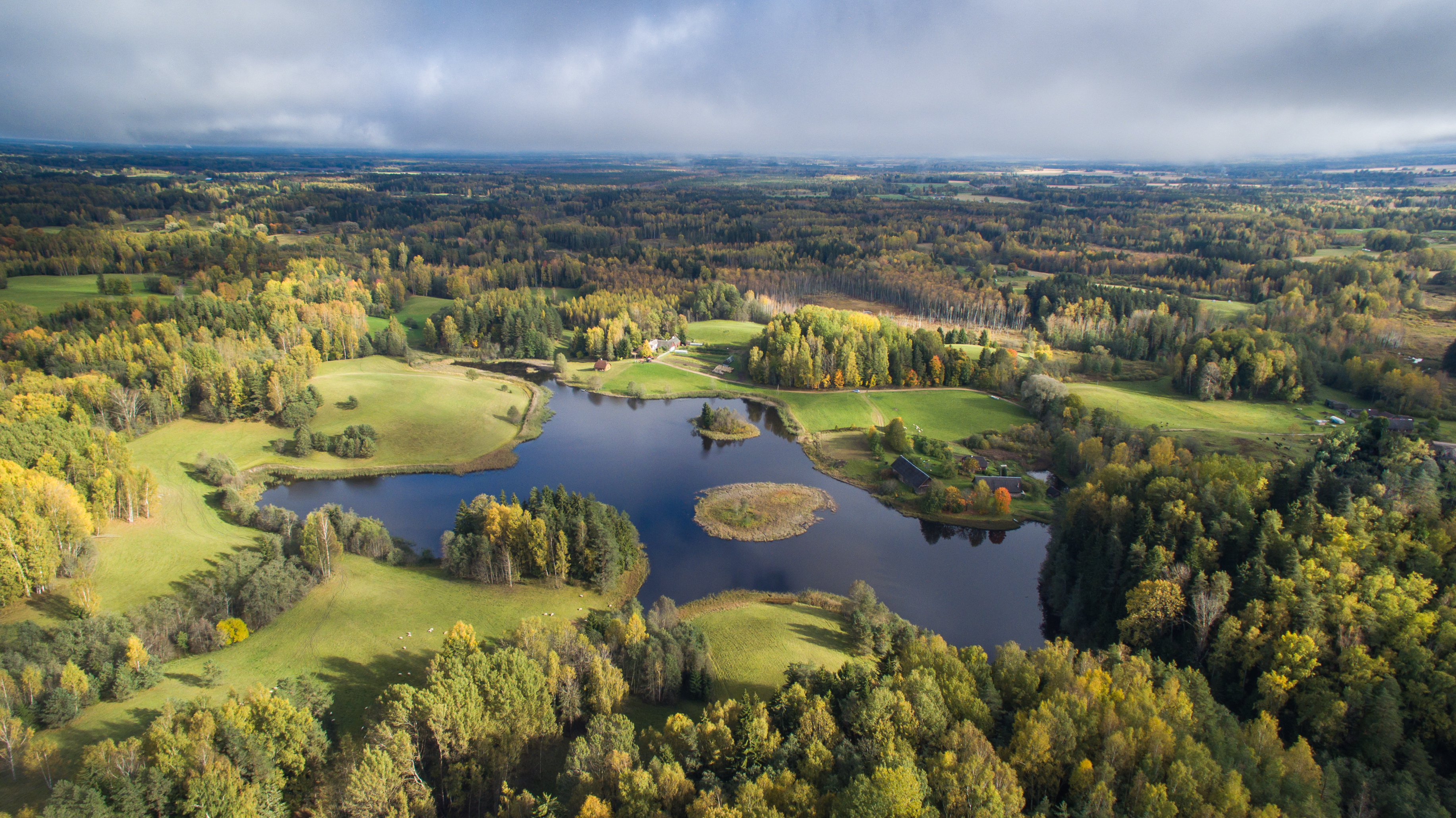
Restaurant Kolm Sõsarat is about 12 km east of Valga, near Karula National Park.
It has been awarded a MICHELIN Green Star for its sustainable pracitces and is run by three sisters: Kirti whips up innovative creations in the kitchen, Triin is responsible for service, and Kadri takes care of the restaurant's garden.
The tasting menu is a reflection of the region. High-quality ingredients come from the restaurant's garden, its own farm, or the surrounding forests. The story behind each dish is also told when it is served, and the team's passion is clear.
There is no à la carte selection or special vegetarian menu. Instead, they offer a seven-course dining experience in which the chef creates a seasonal tasting menu using the freshest, highest-quality local ingredients.
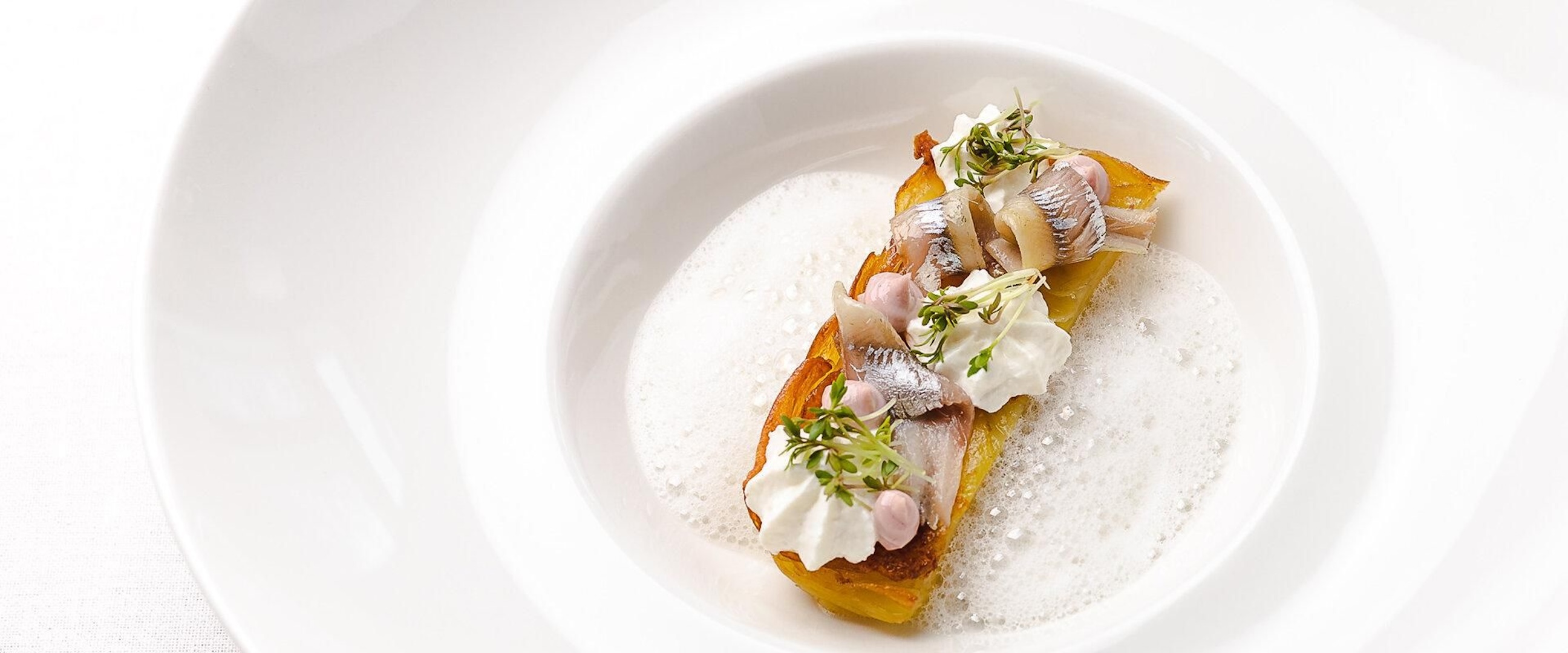
Photo author: Liisi Laanemäe
How to get there
Valga is roughly equidistant from Tartu and Viljandi (80 km), 140 km from Pärnu, 160 km from the Latvian capital Riga, and 235 km from Tallinn. There are frequent bus connections from both countries.
Bike
The EuroVelo Cycling Route 11 connects Valga and Tallinn, passing through Tartu and Rakvere in between. You can buy a bike ticket for the train, so you could take the train from Tallinn to Valga and bike back, or vice versa.
Train
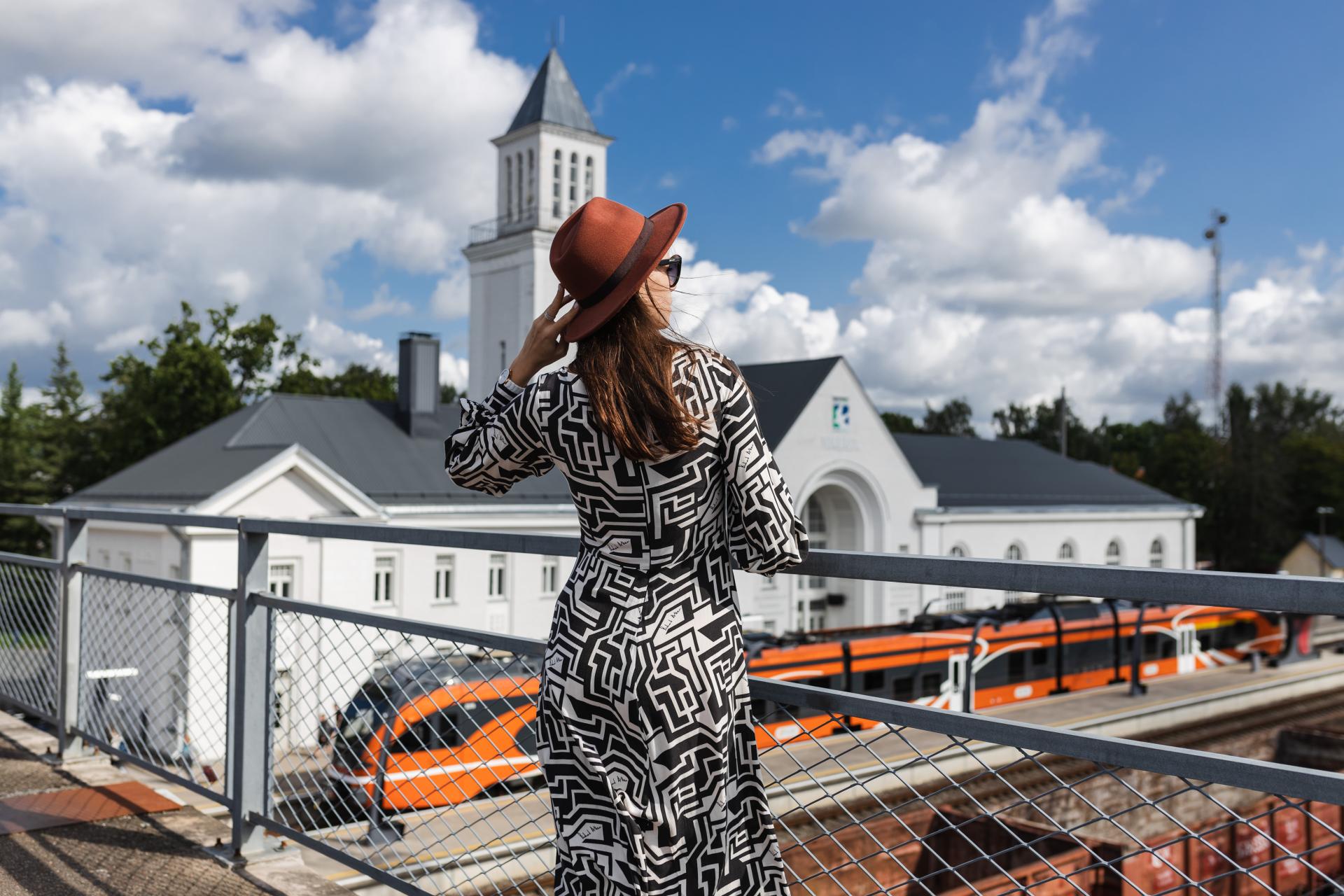
Valga also has the only train station connecting Estonia and Latvia. Now that the schedules have been synced across the three countries, it is possible to visit all three Baltic capitals by train. All information about routes, tickets, and other practical issues can be found on the Elron website.
Get inspired
Last updated
01.07.2026