
A journey through the cultural roots of South Estonia
See South Estonia through the eyes of the people who call it home. Discover how culture lives on in their food, rituals, and everyday moments.
South Estonia’s cultural heritage is shaped by its history, its customs, and the people who keep these traditions alive.
The Roots Route passes through four distinctive cultural areas where heritage is not something preserved behind glass, but something lived every day. The Seto community, with its powerful singing and silver craft; Võromaa, with its smoke saunas and handicraft traditions; the Old Believers of Lake Peipus, with their quiet rituals; and the city of Tartu, with its academic and creative spirit, together form a journey that reveals the deeper identity of South Estonia.
This route leads you through small villages, forest landscapes, and lively town centers. It’s designed for travelers who appreciate a slower pace, meeting real people, and discovering culture layer by layer. You can begin wherever it suits you and shape the experience entirely around your own interests. You can explore these areas on day trips from Tartu or stay overnight in the regions to further immerse yourself in the local culture and support small businesses off the beaten path.
What to expect on the route:
- Main attractions: You’ll experience Setomaa’s rich singing traditions and its small wooden chapels, discover Võromaa’s smoke sauna culture and local craftsmanship, and walk through the Old Believers’ long village streets by Lake Peipus and try steaming samovar tea. The journey eventually leads you to Tartu, the cultural heart of South Estonia, where you'll find museums, a historic university, and a lively, creative city atmosphere.
- Duration: Ideally, spend one day in Setomaa and Võromaa, one day along the shores of Lake Peipus, and one day exploring Tartu.
- Season: All year round, though some places require advance booking, especially during the winter season.
- How to get here and around: Plan your transport in advance. Traveling between places in South Estonia is easiest by car, as public transport in smaller villages may be infrequent.
The Seto and Võro people
Traditions handed down through generations
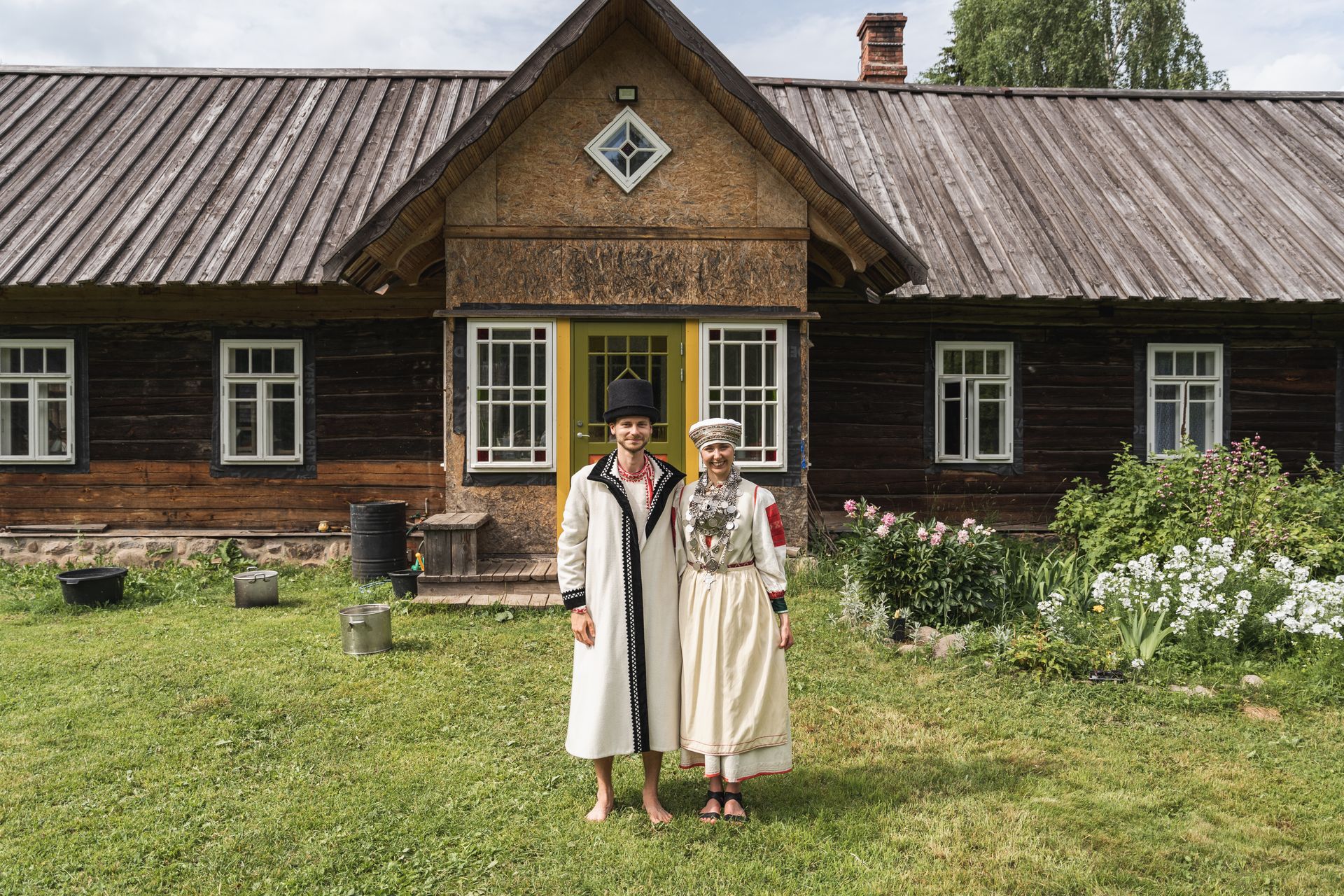
Setomaa is home to a small yet remarkably vibrant community whose customs feel deeply authentic even now. Their UNESCO-listed leelo singing drifts through farmyards, while the rich layers of their folk dress tell stories of identity, beauty, and belonging.
A perfect first stop is the Värska Farm Museum, where old farmsteads, tools, and everyday objects open a window into Seto life as it once was. It will help you understand the region's spirit before you explore it further. Right next door, Seto Tsäimaja invites you to taste traditional dishes – comforting flavors shaped by land, seasons, and memory.
For a closer encounter with Seto identity, visit Obinitsa Museum and its hands-on program that allows you to try on a traditional folk costume. As each layer is added, guides share the meaning behind the patterns, the role of silver jewelry, and how these garments reflect a worldview passed down through generations.
The area is also dotted with small wooden tsässona chapels – quiet, sacred spaces that offer a glimpse into Seto spirituality and centuries-old customs.
Your journey then leads into Võromaa, a landscape shaped by forests, lakes, and a deeply rooted sense of identity. Here, heritage is felt in the Võro language, in intricate handmade crafts and, above all, in the iconic, UNESCO-recognized smoke sauna tradition. A Võro smoke sauna is not just a wash; it’s a slow, meditative ritual with dim light and the smell of woodsmoke.
If time allows, stop by the Karilatsi Open Air Museum for a broader introduction to South Estonian farm culture and architectural heritage.
Here, tradition is something you step into, something you feel, and something you carry with you.
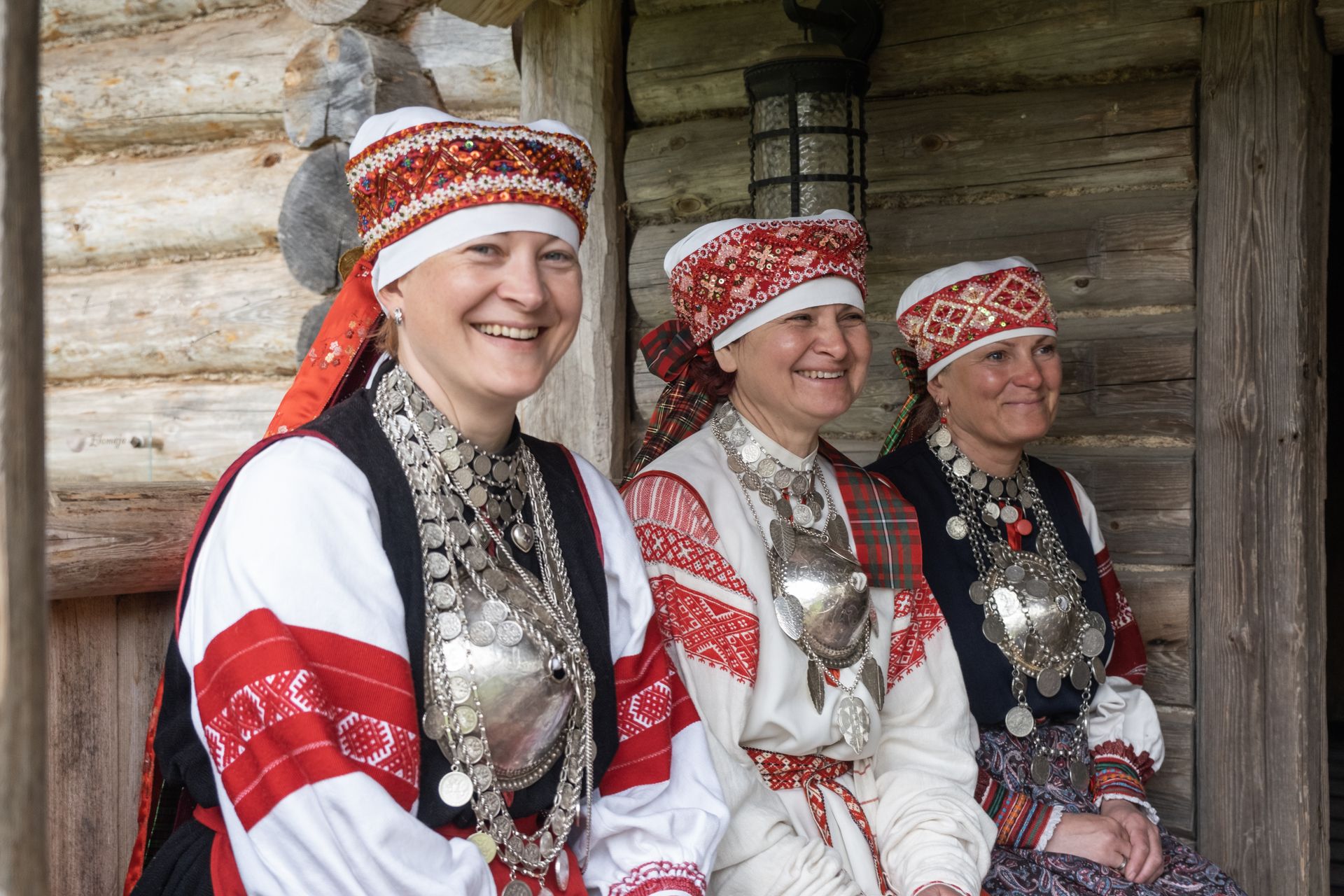
Photo author: Hans Markus Antson
The Old Believers of Lake Peipus
Life in slow, lakeside communities
Continue your journey along the shores of Lake Peipus, where Old Believer communities have lived since the 17th century and still quietly and consistently keep their traditions alive. The villages that run beside the lake, the brightly painted wooden houses, the garden plots, and the endless onion fields create a landscape you won’t mistake for anywhere else.
A good place to start is the Old Believers’ Museum in Kolkja. It’s small, personal, and gives you a clear sense of how people here have shaped their everyday life over centuries. The prayer house interiors, the simple tools, and the stories behind them make the culture feel grounded and real.
From Kolkja, the road carries you along the Onion Route through Kasepää and Varnja, where you'll see houses lined up in a long ribbon and gardens almost touching the water.
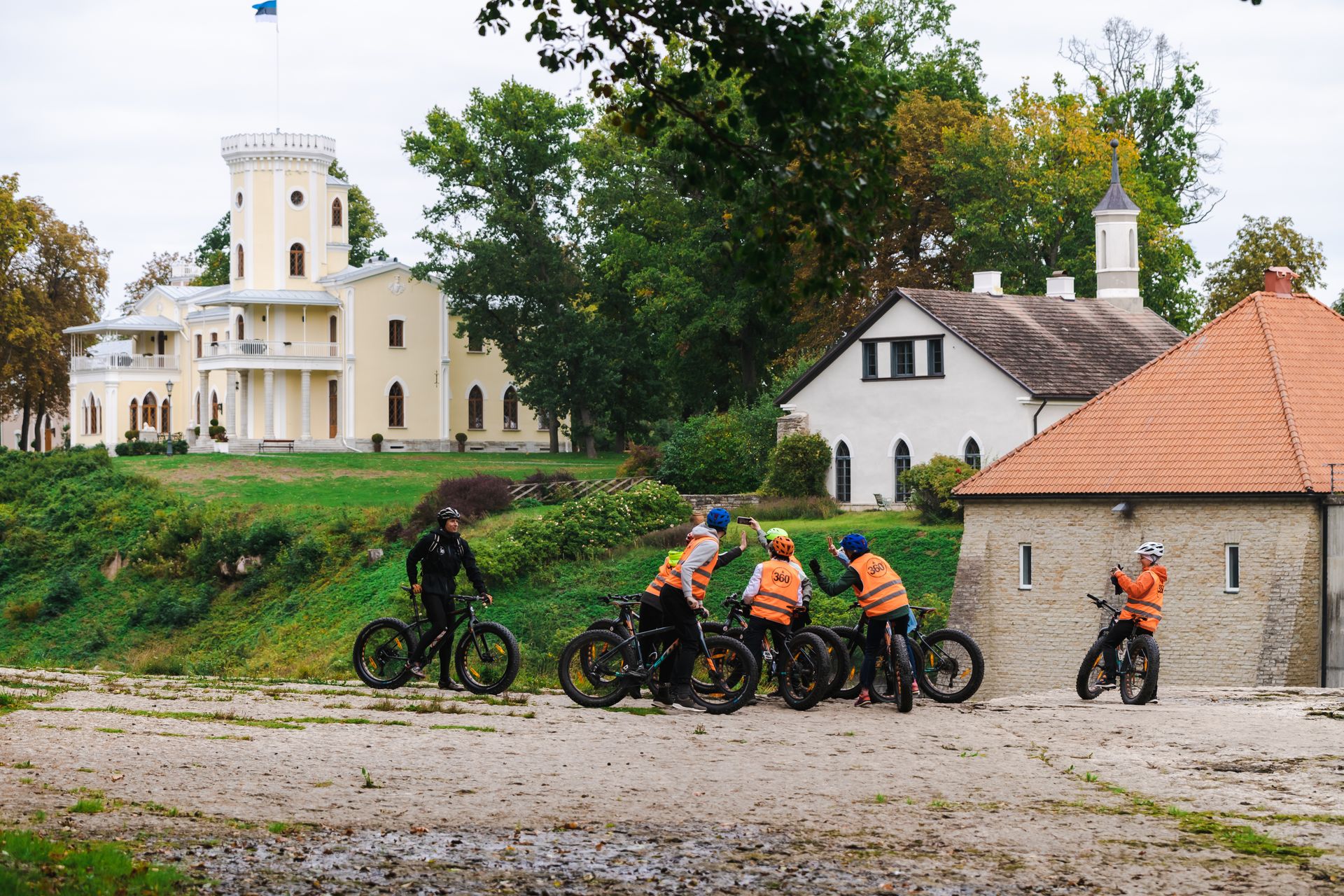
It's worth taking a detour to Alatskivi Castle. With its white towers and quiet park paths, it adds a gentle shift in mood, like briefly stepping into another story before returning to the lake.
And then there’s the samovar tea. Brewed slowly, shared slowly, it’s one of those small local rituals that tells you more about a place than any sign or museum panel ever could.
A fitting last stop is the Peipsimaa Visitor Centre, where local crafts, flavors, and workshops help tie the day together. It’s a good moment to pause and see how many layers of culture you’ve encountered without even realizing it.
Nothing here hurries you. The still water, the smell of smoked fish, the soft echo of prayer houses – everything invites you to slow down and simply be.
By the time you leave, you realise that time moves differently along this lakeshore.
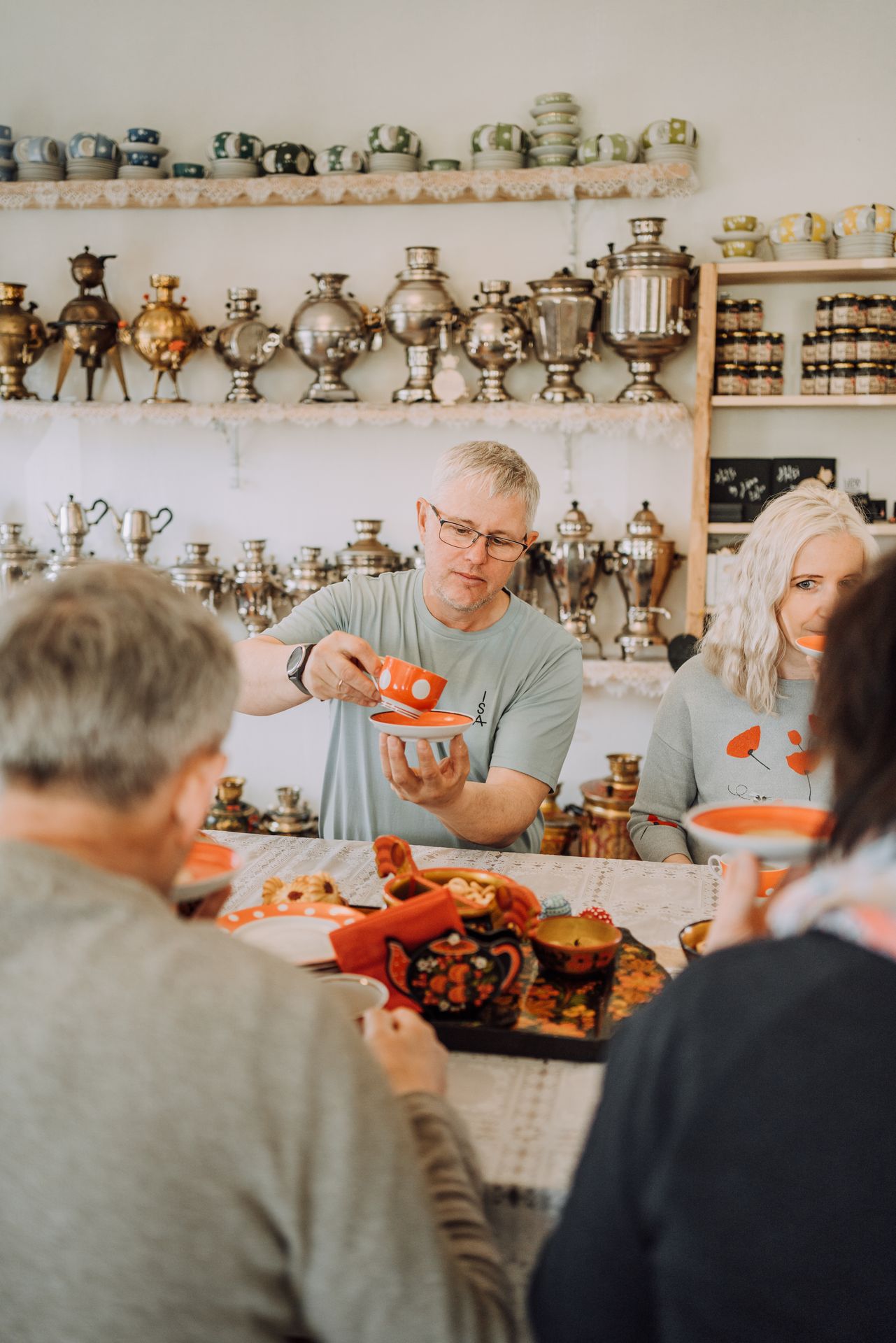
Photo author: Rivo Veber
Tartu
An academic city with a creative spirit
The final day takes you to Tartu. A city that has shaped Estonia’s culture and education for hundreds of years. It’s compact enough to explore on foot, but varied enough to offer something new in every area: old buildings, parks, creative corners, and a relaxed city feel.
A good place to begin is the Estonian National Museum. It provides a clear overview of both South Estonian and wider Estonian heritage and helps connect with the things you’ve seen earlier on the trip. From the museum, it’s easy to head towards the city center.
In the middle of town, stop by Town Hall Square. The cafés, small shops, and nearby streets are nice places to sit for a moment and get a feel for the city.
After that, walk to the main building of the University of Tartu and Toome Hill Park. The university shows Tartu’s academic side, while the park offers quiet paths and views of the city.
To see another side of Tartu, wander through Karlova and Supilinn. These neighborhoods have colorful, wooden houses, little galleries, backyards, and friendly cafés. For something more contemporary, stop at Aparaaditehas. This former factory now hosts studios, shops, cafés, and exhibition spaces. It’s one of the liveliest places in Tartu and a good spot to see how the city’s creative scene works.
End the day with a walk along the Emajõgi River. The riverside paths are easy to follow for a contemplative end to the day.
What stays with you in Tartu are not only the sights, but the small moments – the wooden houses, the riverside views, and the quiet corners that make the city feel welcoming.
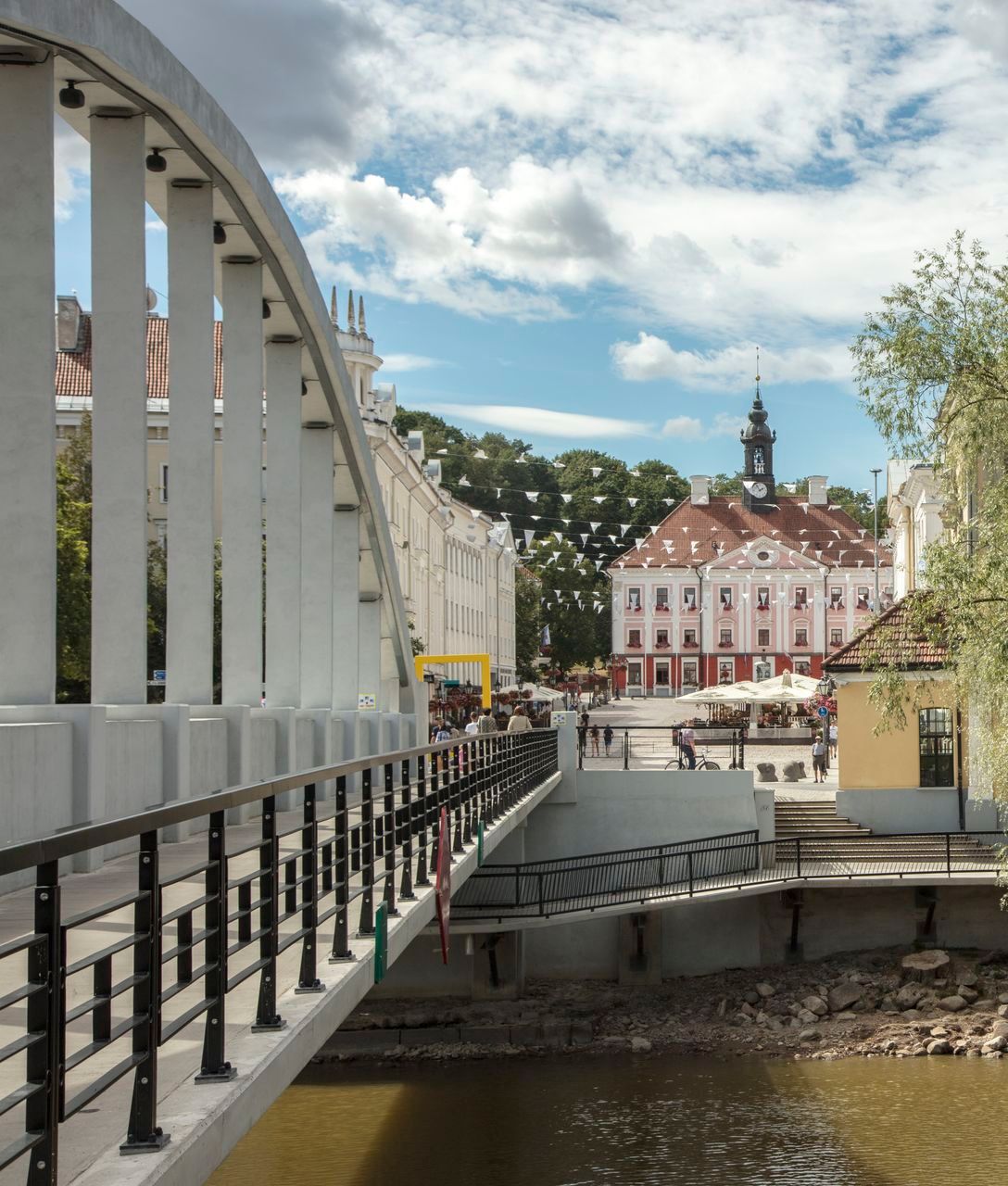
Photo author: Riina Varol
In South Estonia, local culture isn't frozen in the past.
You notice it in real places and real people – in everyday habits, flavors, conversations, and in the small details that aren’t staged for visitors. The Roots Route shows how heritage continues to live here today, naturally and quietly.
Follow the route and test the rumor visitors to Estonia often hear: are Estonians really that quiet, or do they just save their best stories for those willing to slow down and listen?
Get inspired
Last updated
02.02.2026