
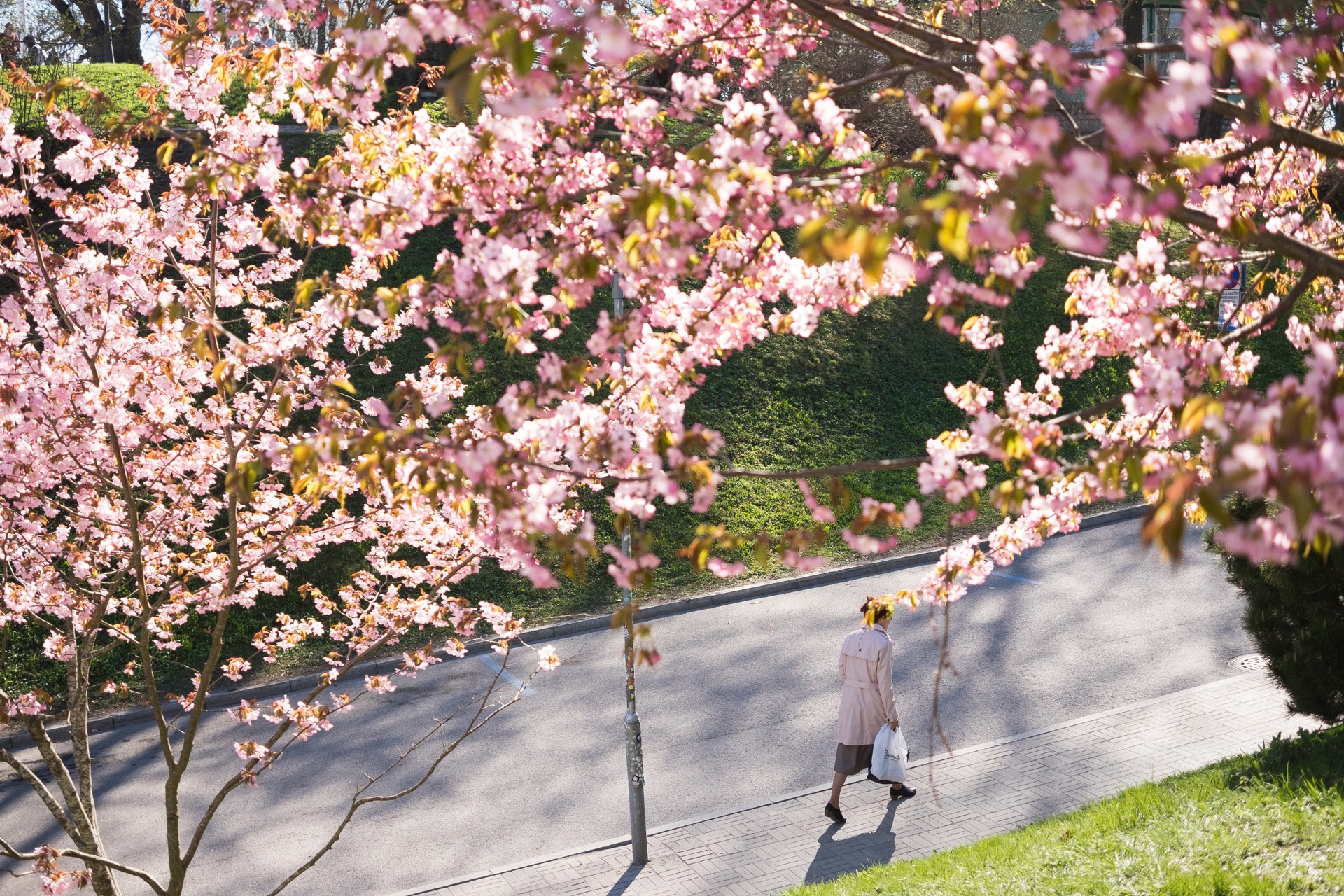
Celebrate springtime in Estonia
The world turns from white to green. Foraging, birdwatching, and canoeing through flooded forests are just a few ways to enjoy the season.
Spring in Estonia is a time of renewal.
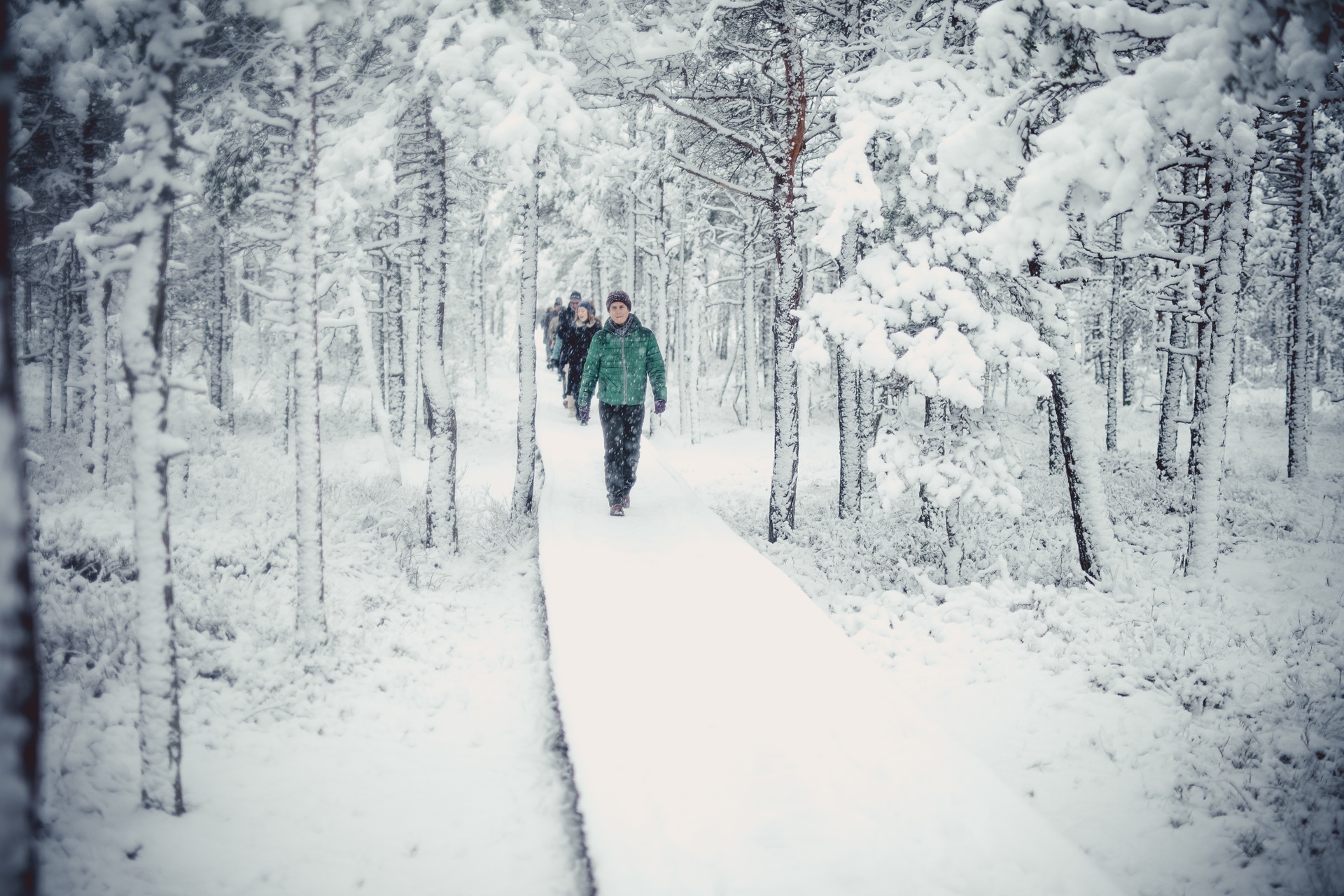
All seasons in Estonia are special in their own way, but springtime is known for longer, brighter evenings and fabulous sunsets. The months of March, April, and May are considered springtime in Estonia. The weather can change quickly from one day to the next; it's not unusual to have snow in March, while May can be warm and sunny.
Replenish your vitamin reserves with refreshing birch sap. Go birdwatching during the annual spring migration. Admire the spring flowers, or visit a local garden fair. And don't forget about Estonia's extra season — the fifth season in Soomaa National Park.
Fast facts
Average dates:
March to May
Average temperature:
2 °C to 11 °C
Estonia's top springtime city:
Turi
One of the best birding destinations in Europe
Estonia's rugged coastline, numerous islands, forests, and swamps are all good places for birdwatching.
The birdwatching season begins as early as March. Spring migration ends in mid-May, and the prime bird observation season winds down by mid-June. Professional guides can also help you spot hard-to-find species.
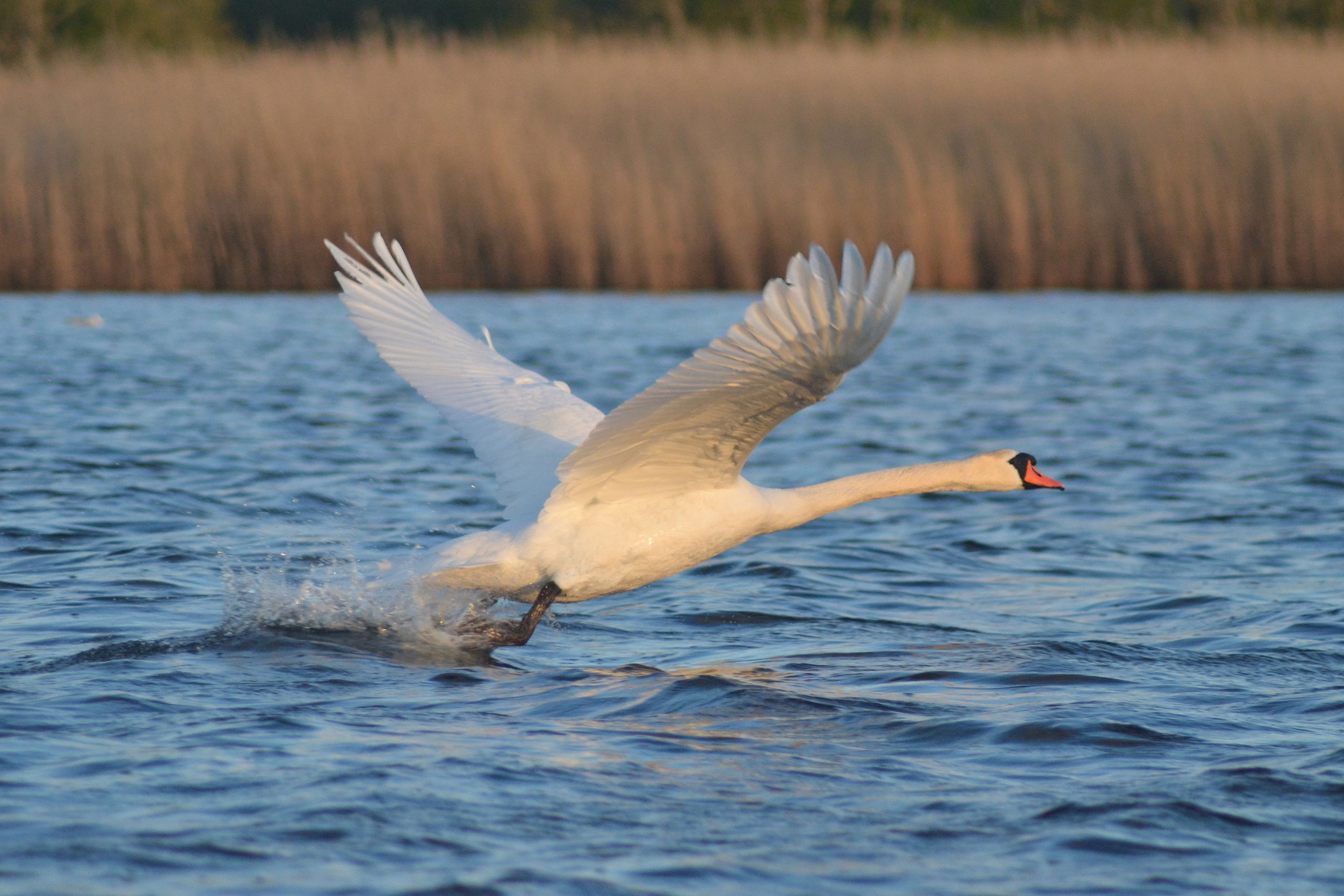
Photo author: Kristina Mägi
Climb these birdwatching towers for a better view.
When the forests of Soomaa National Park flood, the fifth season begins.
During the fifth season, you rent a canoe in Soomaa National Park when the river Halliste overflows its banks and floods nearby meadows and forests.
Learn more about Estonia's extra season
It's the only time of year you can canoe through the forest.

Plants come alive in spring.
Sap flows from the roots into the tree branches, buds burst open, and leaves unfurl.
Nature is a veritable pantry for those who know what to look for.
Nettles are one of the first herbs to sprout in the spring. Nettle contains calcium, potassium, iron, and vitamin C and has been shown to soothe inflammation, strengthen the blood, and relieve fatigue. According to ancient Estonians, nettle was believed to protect against spiritual harm. It was thrown into the fire to shield a house from lightning and added to bath water to break spells cast on the bather.
Wild garlic can be found already at the end of April. Thanks to its intense flavor, wild garlic banishes harmful microbes from the body and aids digestion. Did you know that springtime wild garlic contains 15–20 times more vitamin C than lemons? Wild garlic is great in salads, soups, herbal butter, and pesto. However, keep in mind that wild garlic is protected and should therefore be foraged for personal use only.
Rhubarb contains vitamin K, calcium, potassium, phosphorus, iron, B vitamins, and vitamin C. Despite its strong taste, rhubarb contains up to 93% water and is also high in fiber. Young shoots taste the best, and rhubarb is most commonly used in cakes, jams, and juice.
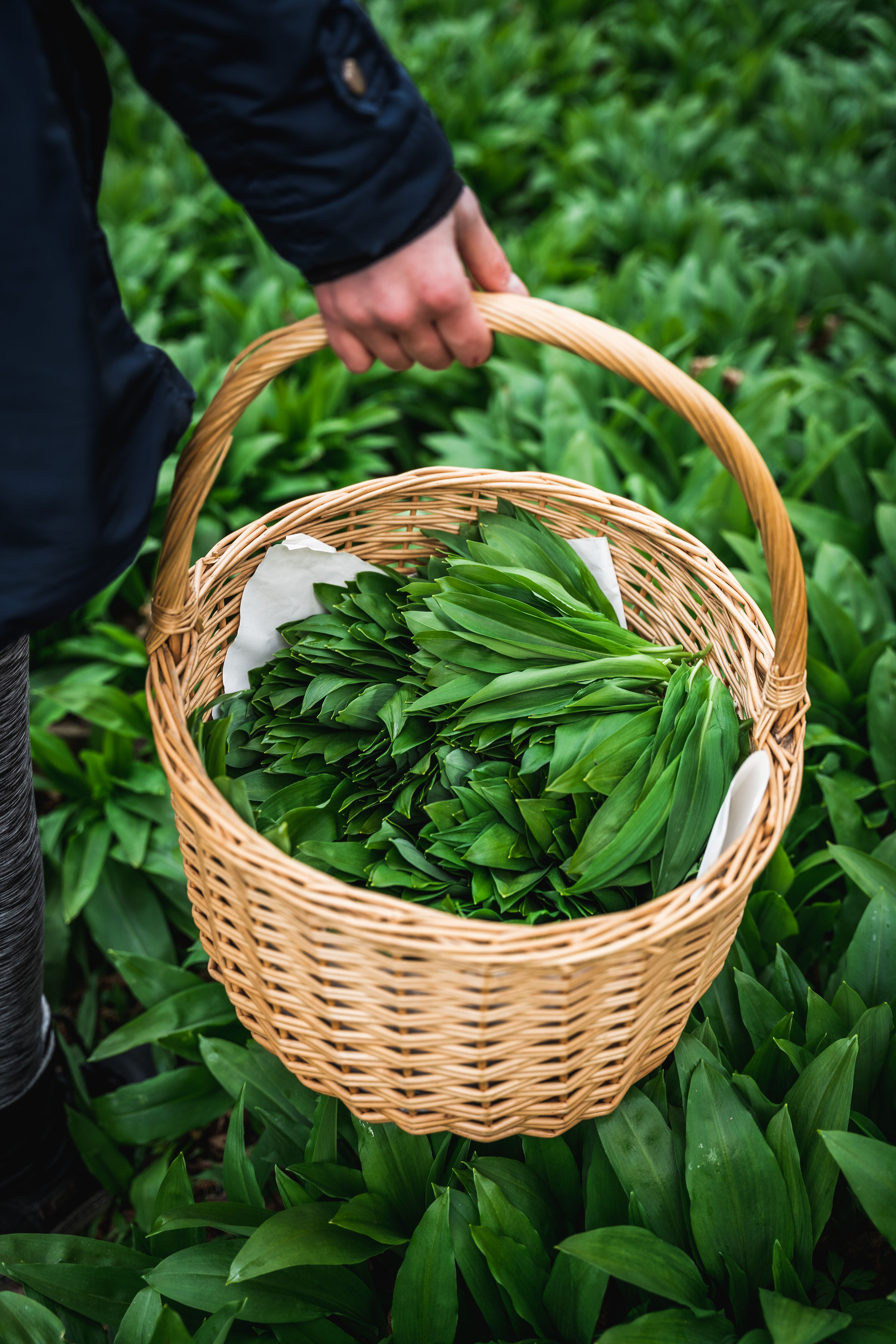
Photo author: Priidu Saart
Fresh juice — no fruit needed! Birch sap is full of vitamins C and B, antioxidants, and minerals.
This special drink is known as kasemahl — you might be lucky to find it bottled for sale at local markets.
Dining on freshly foraged foods
If you want to gain more knowledge about foraging and horticulture, learn more about local herbs in a workshop or enjoy a feast in the forest.
Parks and gardens that are perfect for strolling
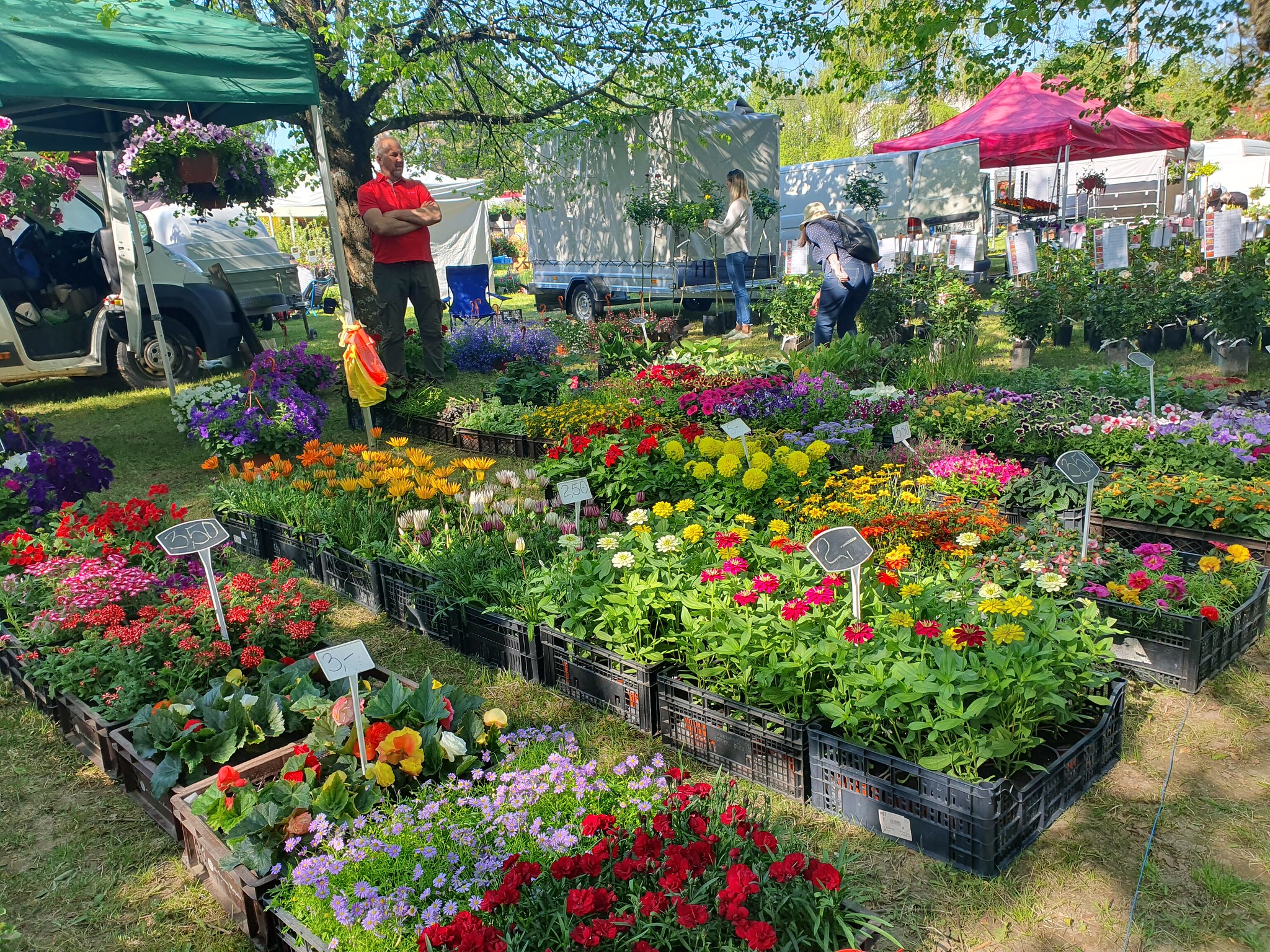
Kirna Manor's tulips will be in full bloom come mid-May, but there are even more green spaces to discover around Estonia.

Every season has something special.
Expert tip: Exploring off-season will help off-load the pressure.
Get inspired
Last updated
23.03.2026