
Who writes the tourism website’s articles?
The stories on the Visit Estonia website are written in different languages, but they all share one goal: to inspire people to explore Estonia.
On the Visit Estonia website, there are just under 1000 articles. The stories differ by content and language, but they all share one goal: to inspire both foreigners and locals to spend time discovering everything Estonia has to offer.
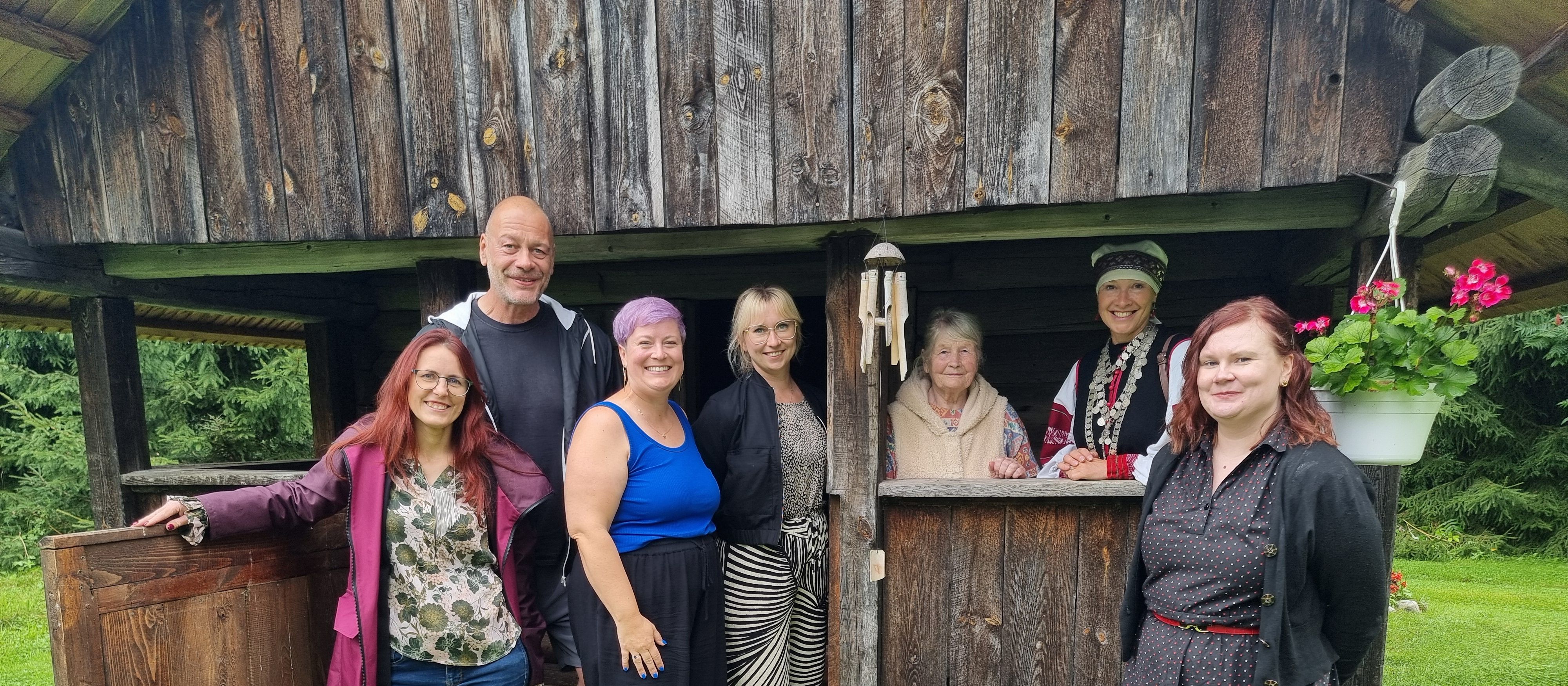
Our content creators are professionals who write in their native language. Paula writes in Finnish, Hillary in English, Terttu in Estonian, Felix in German, and Ilze in Latvian. They know the country well and are passionate about showcasing Estonia.
Most article topics and content are inspired by recommendations from Estonia’s destination management organisations, or DMOs, Visit Estonia’s main partners. The professional associations and unions that unite Estonia’s tourism companies also provide additional information. Visit Estonia’s theme managers (nature tourism, event and cultural tourism, and food tourism) provide valuable feedback.
Our content writers then create inspiring articles about these places, products, and services.
Let’s get to know them!
Terttu
I’ve been a content writer for Visit Estonia for just over a year, and what I really like about it is that I get to write about things I haven’t had much to do with before. For example, you can sometimes find my articles in the Õhtuleht newspaper (mainly connected with pop culture), where I work as an editor. In addition, since autumn, I’ve been teaching Estonian to upper secondary students in Viljandi and supervising school media work. I also edit books.
I’ve liked writing since I was a child. For instance, I remember writing poems in primary school, and we pupils had to recite them on ceremonial occasions and at school events at our teacher’s request. Luckily, none of my classmates ever told me to stop writing because of those poems!
My connection with Estonia is simple: I was born and raised here. My childhood was spent in Viljandi, and after finishing upper secondary school, I lived in Tallinn for 11 years, but now I’m back in my hometown. While many say they’d like to move from Tallinn to somewhere quieter, I often long for the buzz of the capital and miss the fact that the seaside or Kopli are just a short bus or tram ride away.
When it comes to travel, I’m probably more modest than others – I do like discovering new places and cultures, but my favorite part is always coming home again.
What are your favorite topics when writing about Estonia?
I guess food and nature. I love trying new restaurants and cafés, and thanks to the articles I write for Visit Estonia, I’ve added quite a few to my list for future visits. It’s exactly the same with nature – I’ve learnt about so many interesting sites that I have enough places to explore to last me several summers! I encourage everyone to browse the website and discover new places, too.
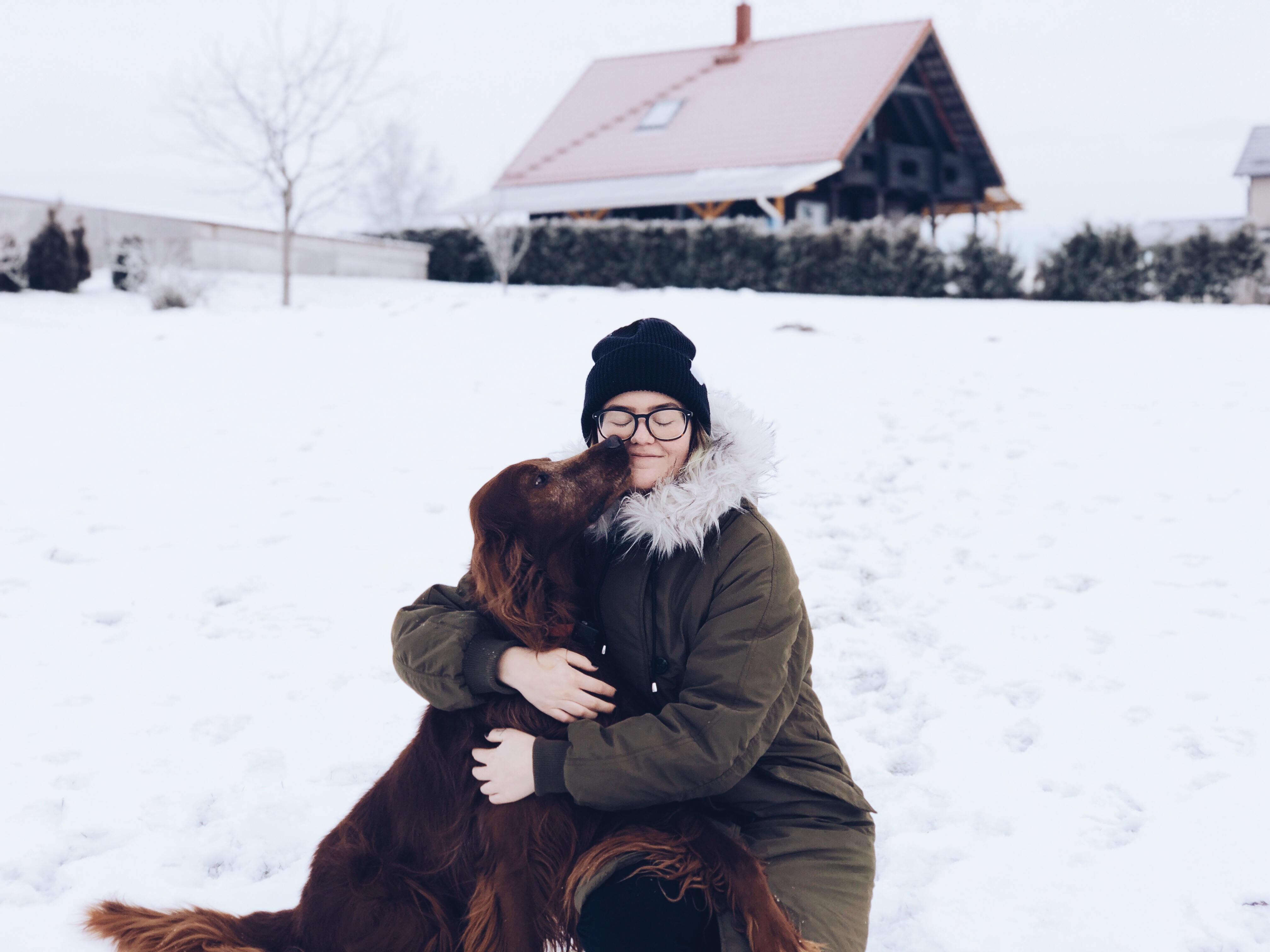
Photo author: Terttu Jazepov
If a foreign tourist stopped you on the street, where would you recommend they go in Estonia? What should they do and experience here?
Like every Estonian, I’d recommend the Old Town in Tallinn, as it’s on the UNESCO World Heritage List, for very good reason. At the same time, I’d encourage them to explore beyond the capital – for example, to visit the country’s smaller islands or Southern Estonia, where Setomaa and Võru County feel like entirely different worlds. And of course, Ida-Viru County!
During their trip, they should definitely take a walk in a bog, visit a smoke sauna, and try Mulgi puder, verivorst, and kama.
What interesting things have you learned about Estonia while writing your articles? Any fun facts?
As a big spa and sauna fan, the most interesting article I’ve written was about unique spa experiences – I haven’t tried beer spas or chocolate massages myself yet, but it’s only a matter of time!
Felix
I came to Visit Estonia – and to Estonia itself! – completely by chance. A German friend of mine who has lived in Tartu since 1991 knew someone who was looking for a native German speaker for a project, and that’s how I got to know Kaarl from Eiffel Meedia. In 2018, we took part in the tender to create German-language content for Visit Estonia, which we won, and we’ve continued winning tenders ever since.
I actually knew nothing about Estonia, but I fell in love with the country the moment I first came here – it’s such an amazing place, with such friendly people! Since 2018, I’ve been visiting Estonia once or twice a year, and I now have lots of favorite places. I’m motivated by my sympathy for the Estonian people and the country, especially these days.
My background is in journalism. In addition to working with Visit Estonia, I’ve worked for a small publishing house in Frankfurt for more than 25 years, where I’m mainly responsible for the website and online store. I also run a one-man web marketing agency and work with clients in retail and handicraft.
What are your favorite topics when writing about Estonia?
I actually enjoy every topic connected to Estonia and its image abroad. I particularly like describing my own experiences. I feel like this is the future of online journalism and travel writing.
Where would you recommend that a foreign tourist go in Estonia? What should they do?
It depends on what kind of person they are and what they’re looking for. I’d find that out first. Then I’d give them suggestions based on their preferences, because Estonia really does have something for everyone.
Personally, I’m drawn to nature and to peace and quiet, and therefore to places that offer both, along with an outstanding culinary experience. My second favourites are Tallinn and Tartu, each with its own charming urban atmosphere.
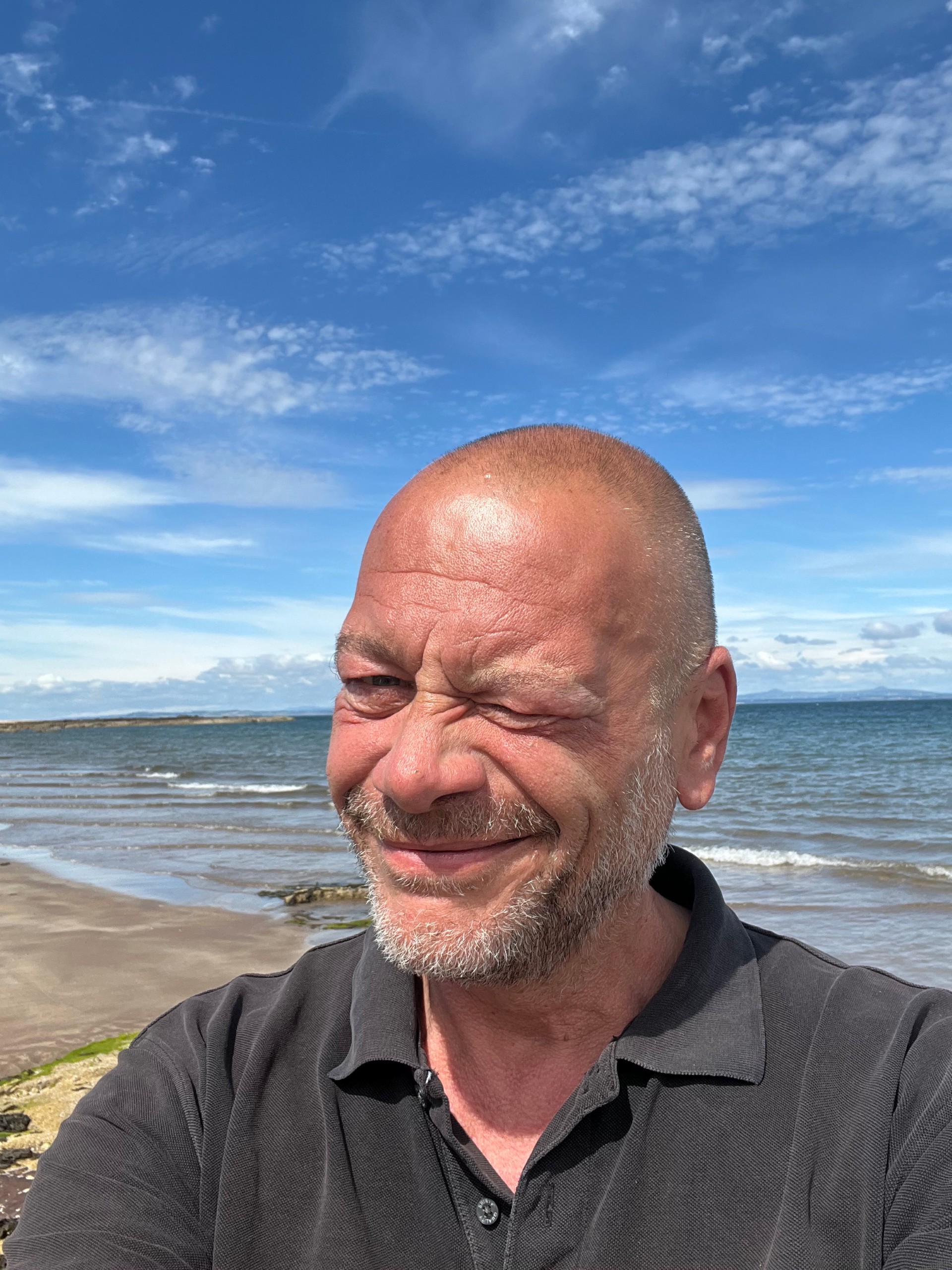
Photo author: Felix Hau
What interesting things have you learned about Estonia while writing your articles? Any fun facts?
When I joined Visit Estonia, I had no idea the country was so Nordic. Today it seems obvious, but it was a huge surprise at the time. I think most Germans still view Estonia as more of an Eastern European country than a Northern European one.
Another fascinating thing I’ve learnt about is kiiking. I didn’t know that Estonians are such big fans of wellness and saunas, either. That said, as a German, I don’t think wellness and saunas are the most interesting topics for the German market.
Paula
I began writing content for Visit Estonia in January 2021. After a recent hiatus, I’m back writing articles for them again, since last winter.
On top of that, I work in Finland as a communications specialist. Since my main job focuses mostly on crisis communication and crisis management, topics related to travel make for a very pleasant change. Since I’m also a big travel enthusiast myself, it’s wonderful to write about it.
I’ve always been a writer, and about 10 years ago, it became my job. How I came to join Visit Estonia was a case of serendipity, really. At university, I studied Eastern European Studies (Estonia fell under that banner at the time), which means I can write about topics I already worked on for my degree. Estonia has fascinated me since my uni days, and writing for Visit Estonia gave me a good opportunity to develop that relationship further.
My inspiration for both writing and traveling comes from everyday moments – a conversation here, a photograph there, the accidental discovery of a historical detail. I’m inspired by places with a strong identity and community. The variety of topics is what I enjoy most when working with Visit Estonia.
What would you recommend to foreign tourists in Estonia?
I’ve mainly worked with Finnish tourists, and I always encourage them to explore beyond Tallinn, or at the very least beyond the usual tourist sights around the Old Town.
I always recommend Viljandi, Tartu, or Haapsalu – each charming in its own way, with its own culture and relaxed pace of life. And if someone’s drawn to nature, I recommend one of Estonia’s national parks, like Lahemaa or Soomaa.
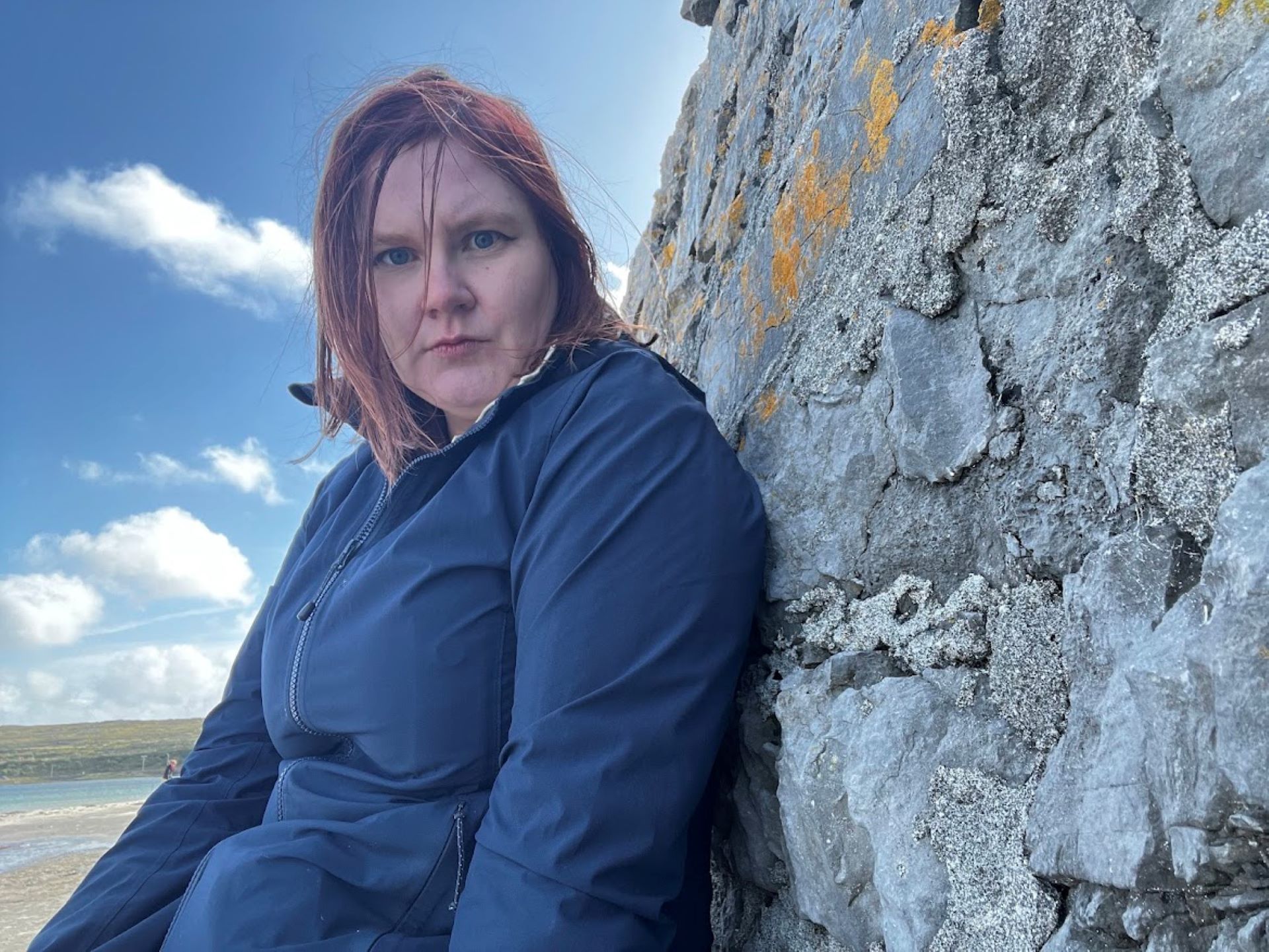
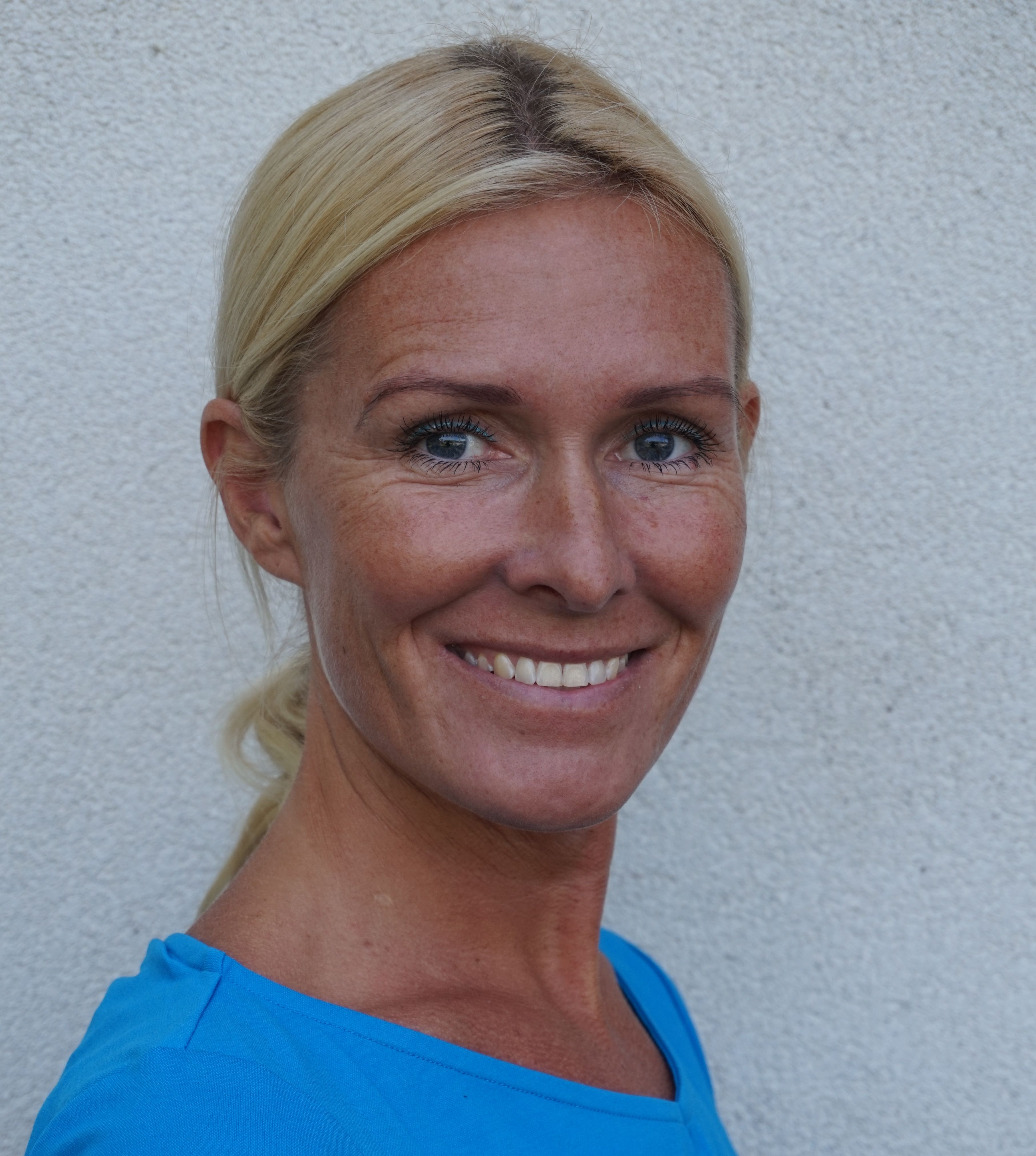
Photo author: Paula Minkkinen
What are your favorite topics when writing about Estonia?
I enjoy writing about all sorts of things, but my favorite field is culture. I’m very interested in art and love writing about everything connected to it – whether it’s music, literature, films, architecture, fashion, or something else entirely. In my opinion, Estonia has many unique and exciting cultural events to offer, and Estonians relate to culture in a genuinely innovative way. There’s a great pride in tradition, but at the same time, people are bold in experimenting and coming up with new things. That’s a really cool combination!
I also enjoy writing about nature and lesser-known places in Estonia. There are loads for foreign tourists to discover outside of Tallinn: charming little towns, special landscapes, and stories that don’t always make it into the spotlight. Bringing these hidden gems to the fore feels really meaningful.
Are there any surprising facts you’ve learnt about Estonia?
One of the most surprising and delightful things I’ve discovered while writing about the country is the unexpected connections between Estonia and Finland, and just how many there are – not only linguistically, but also culturally and even emotionally. Although I knew about our shared Finno-Ugric roots, writing has helped me see deeper similarities, such as our respect for nature, our need for silence and personal space, and even our similar, slightly dry sense of humour.
I’ve discovered fascinating customs that are both familiar and unique, like the smoke sauna culture of Southern Estonia, which is reminiscent of the Finnish sauna but has its own traditions and meanings. And I was genuinely surprised by Soomaa’s fifth season – there’s nothing like it in Finland, even though the landscapes are often quite similar.
Ilze
I was born in Latvia and moved to Tartu, Estonia, in 2006. I’d studied to become a history teacher, and that background was really useful when I moved to Estonia, because I started working as a guide. I’ve led tours in Tartu and Setomaa, at the Estonian National Museum, and lots of other places. I’ve been working as a tour guide since 2012, and I’m the director of the Tartu Latvian Society.
For the past five years, I’ve also been working for the Estonian Rural Museums Foundation. Thanks to that, I’ve gained a deeper understanding of Estonian culture and discovered even more common ground between Estonians and Latvians. I did a course at the Estonian University of Life Sciences on organising nature hikes, which is why I feel at home with nature as a topic.
I’ve been creating content for Visit Estonia for two years now, but I also have experience in writing and editing tourism articles. Creating this sort of content is a good way to stay up to date with the latest developments in the field and to help Latvians get to know their neighbors better, highlighting our similarities and differences. At the same time, it gives me the chance, as a guide, to apply theory in practice – and vice versa.
What are your favourite topics?
From my personal experience, I’d say museums, culture, and nature. My dream as a guide is to lead slow-paced excursions where participants first learn the basics at a museum and then experience their meaning in nature, visiting small communities and gaining a firsthand sense of local life and customs.
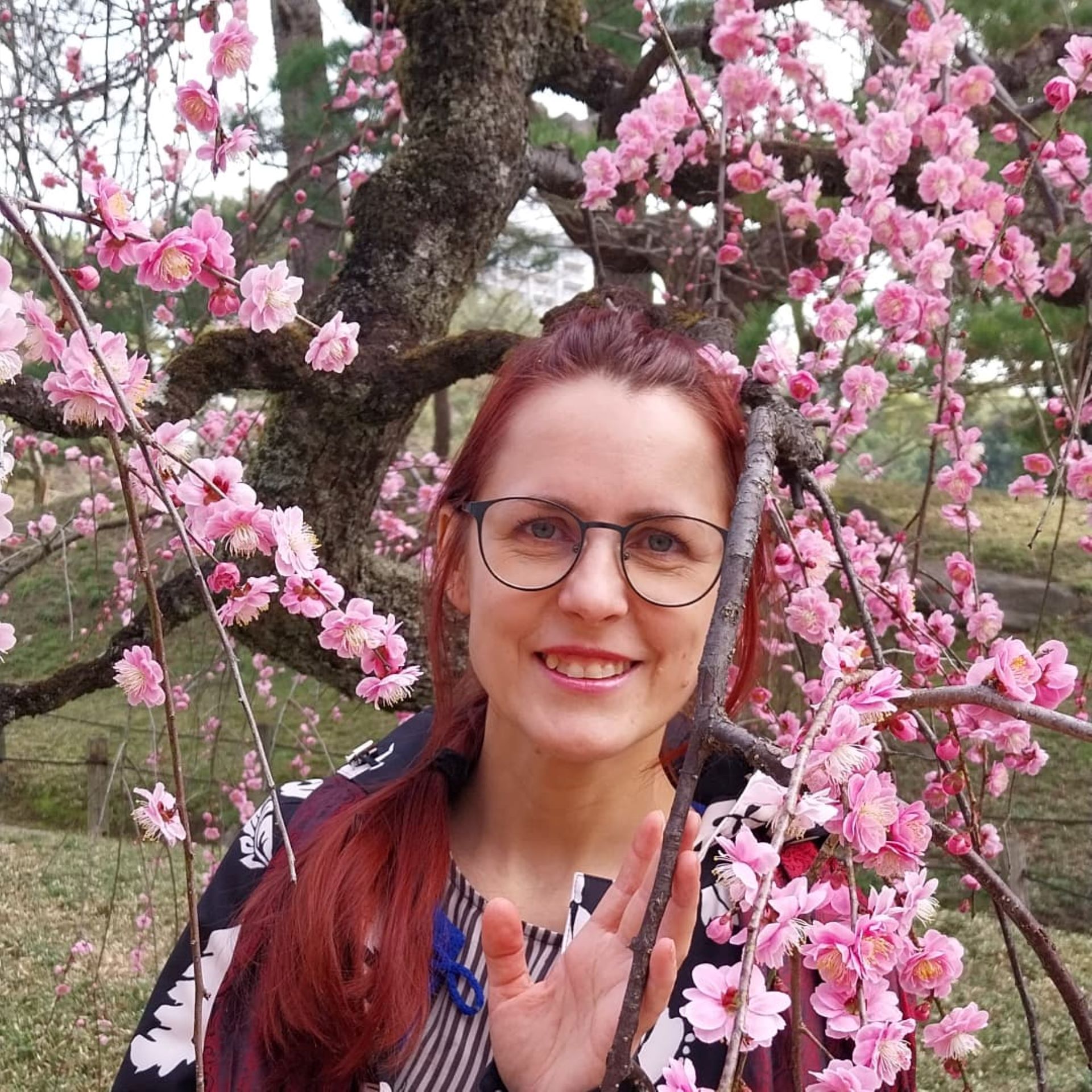
Photo author: Ilze Salnaja-Värv
What would you recommend to foreign tourists?
I’d probably choose the places mentioned in The 15 Most Unusual Attractions in Estonia, along with a few of my personal favorites in categories like museums (the Estonian National Museum, the Seaplane Harbour, and Ilon’s Wonderland), specific towns and cities (Tartu, Viljandi, and Haapsalu), manor houses (Kirna, Palms,e and Anija) and natural sites (Jägala or Valaste waterfall, Hara or Aegna Island, and an easily accessible bog).
Are there any funny or surprising facts you’ve learnt about Estonia?
I was surprised to learn that wherever you are in Estonia, you’re never more than 15 km from a bog. That and the fact that Estonia has the most museums per 1000 inhabitants. Oh, and the number of islands just keeps growing! 😊
Hillary
Before moving here, I knew very little about Estonia. But my husband, who’s from Chile, spent six months here with Startup Wise Guys back in 2013. He fell in love with the place. So when the opportunity to move to Tallinn for work arose, we took it. I’ve lived in Colombia, Ecuador, Chile, and Vietnam, so it felt like time to add Europe to the list. We’ve now been living here for 10 years and have two children who speak fluent Estonian.
I’ve been writing for Visit Estonia for almost four years. It’s exciting to be creating content for the new tourism website and helping with the transition from the old one, even with all the bumps along the way.
I also write and edit for the Estonian Centre for International Development. Plus, I’ve published one short story, and I’m working on a book.
What would you recommend to foreign tourists?
If they came up to me on the street, they’d already be in Kalamaja in Tallinn, so from there I’d send them out of the city. My favorite day trip would be hiking along the Baltic Coastal Hiking Trail from Keila-Joa to LaSpa in Laulasmaa: a quiet day hiking by the water, ending with a few hours of relaxation at the spa and dinner at Wicca. And the best part is that it’s so easy to get there by bus.
For those with more time to explore, I would highly recommend a visit to Kihnu Island, canoeing in Soomaa during the fifth season, spending a few days exploring Setomaa, and a steam in a traditional smoke sauna.
Are there any interesting facts you’ve learnt about Estonia?
I’ve learned so much about Estonia that it’s hard to pick just one thing; I've compiled some of the more interesting things I've learned in an article for the website. I especially found the story of the Salme boat burial very fascinating. I visited the excellent "Vikings Before the Vikings" exhibition at the Seaplane Harbour and then wrote about it for a Visit Europe article.
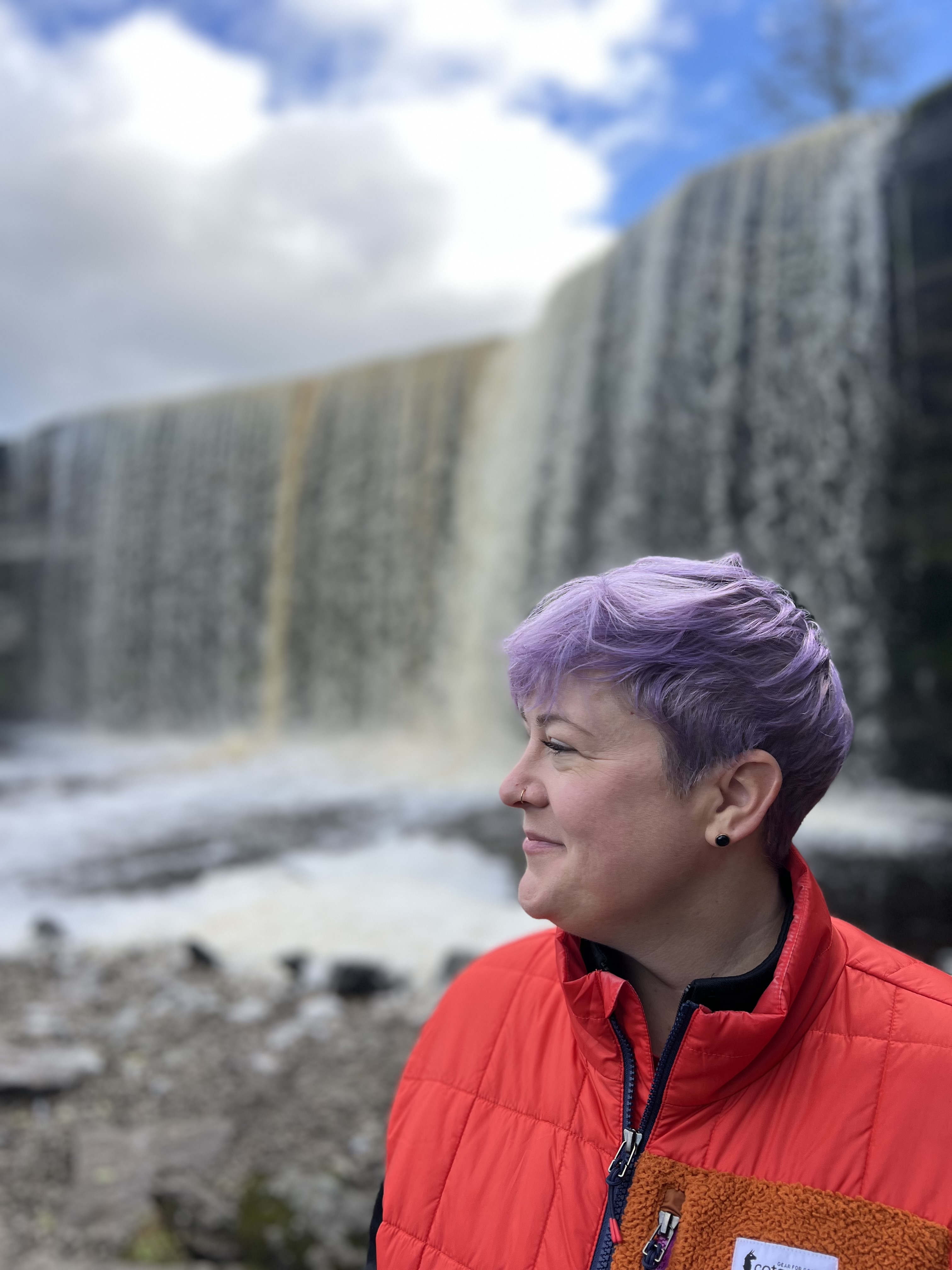
Photo author: Hillary Millán
Last updated
23.01.2026